In the modern fashion and textile industry, speed, visualization, and decision-making are everything. Designers, manufacturers, and brands constantly face a critical challenge: how to convert a simple piece of fabric into a compelling, market-ready visual representation of a finished garment.
Traditionally, this process involves multiple stages—design sketching, sampling, stitching, model shoots, and post-production editing. Each step requires time, cost, coordination, and resources. For many businesses, especially small brands and fast-moving teams, this becomes a bottleneck.
The Textile-AI Fabric to Garment Generator is built to eliminate that gap.
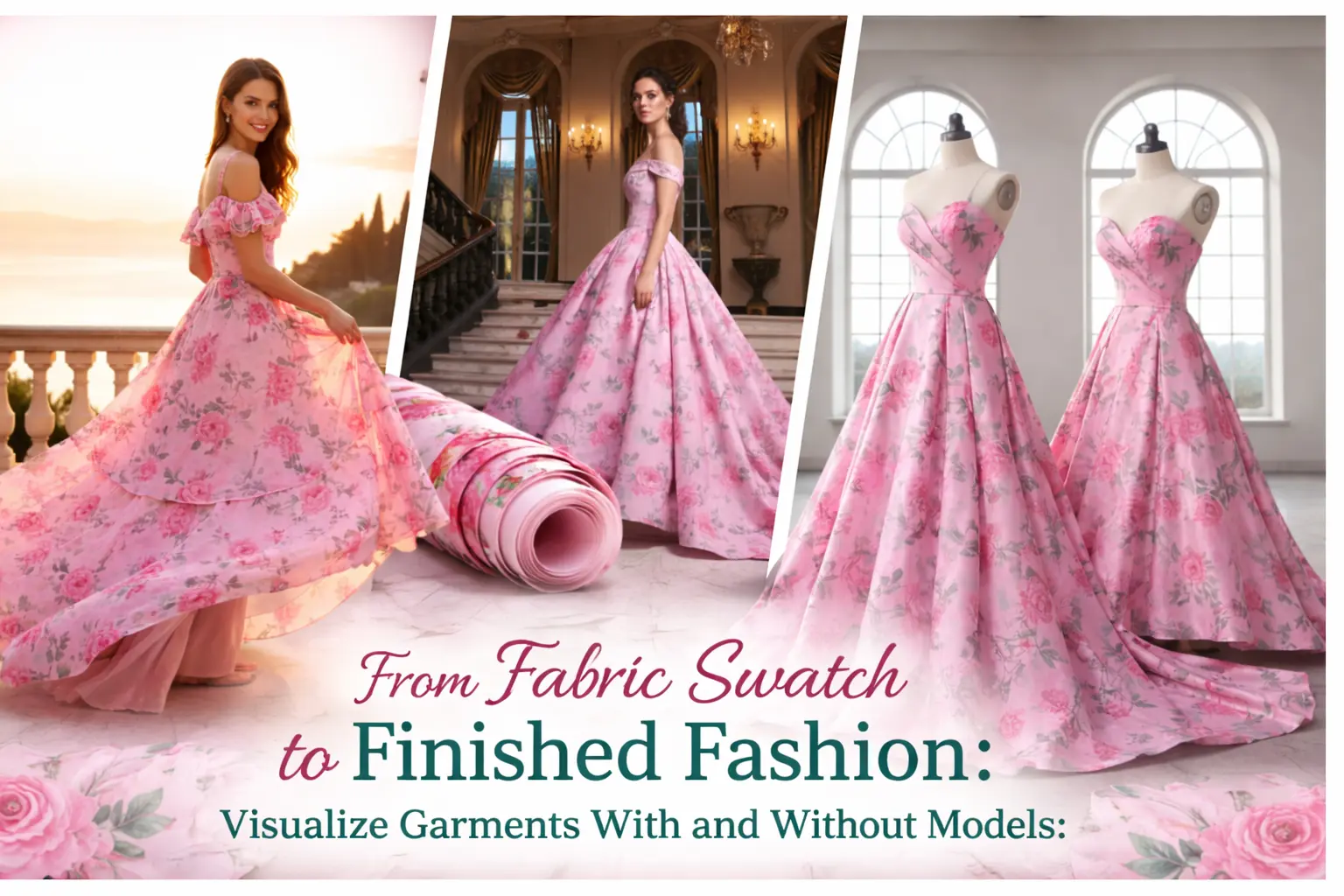
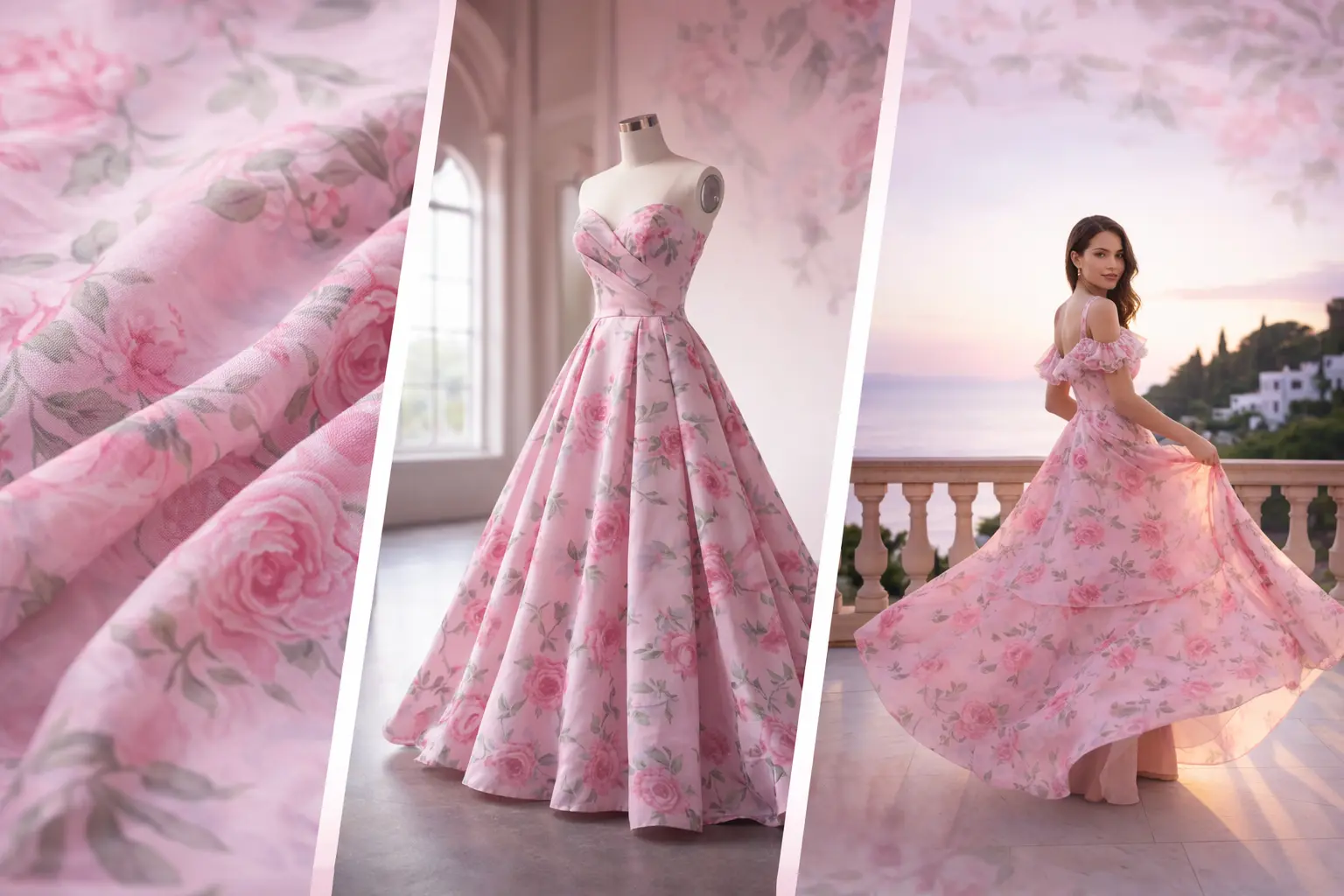
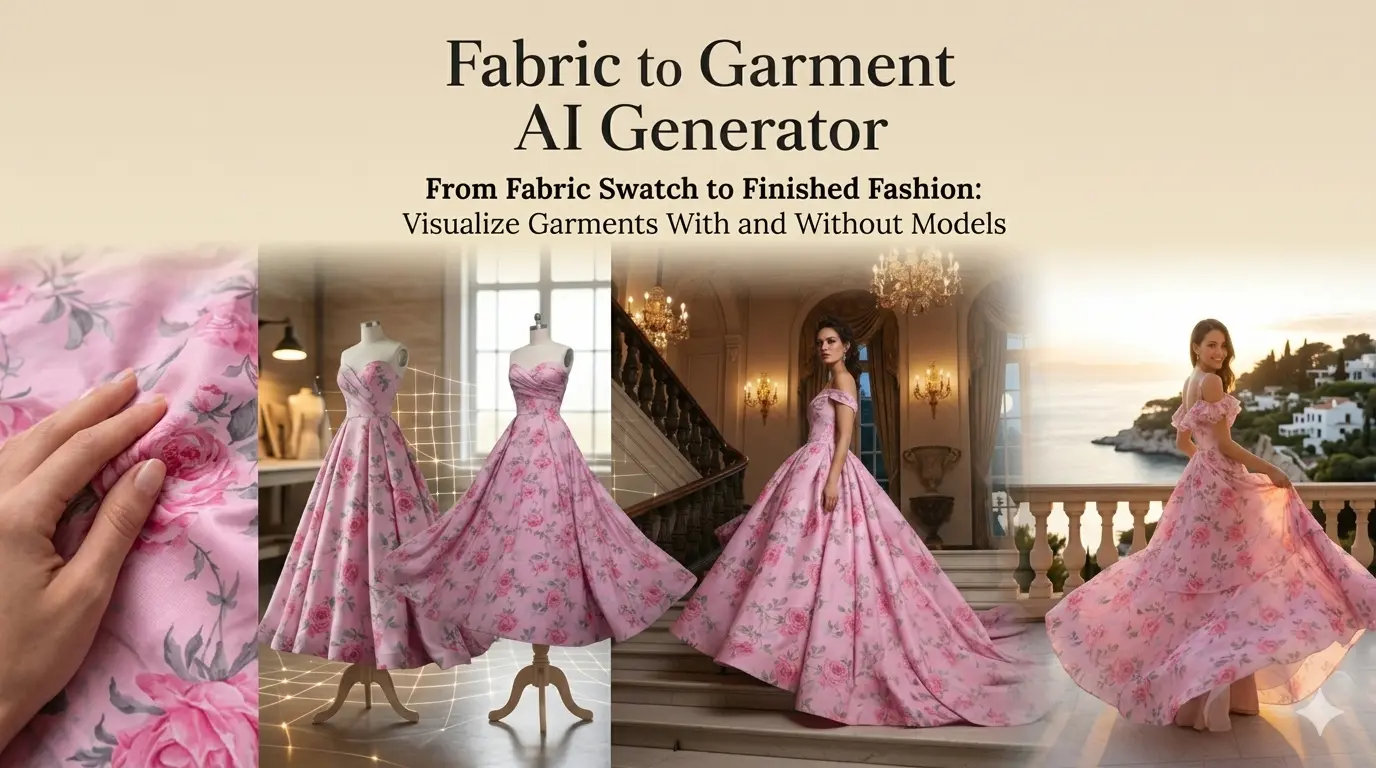
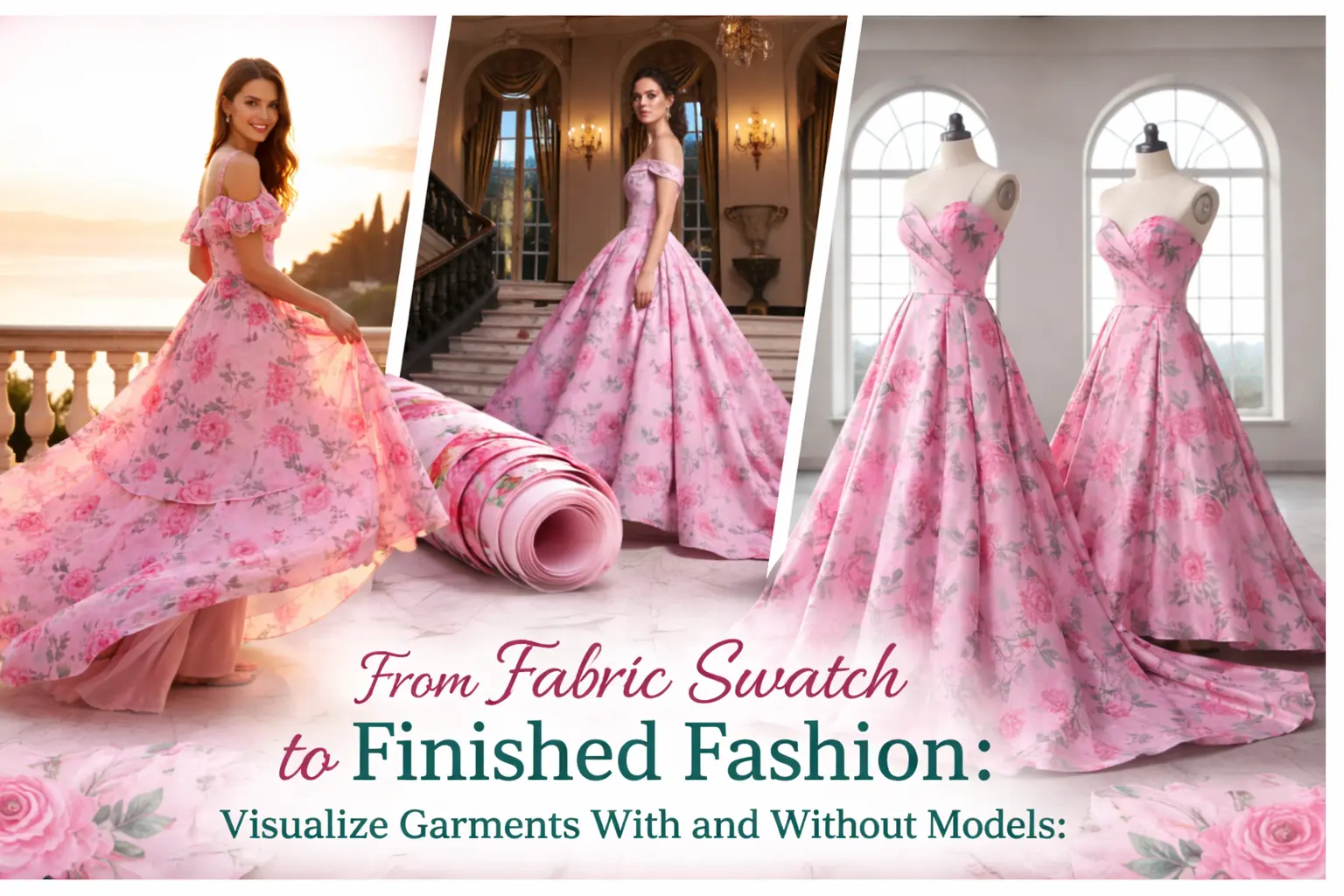
This advanced AI-powered system enables users to transform raw fabric images into realistic garment visuals—either as standalone product renders or fully styled on human models. It bridges the gap between concept and visualization, allowing businesses to move faster from idea to presentation without the need for physical production.
Whether you are a fashion designer, textile manufacturer, e-commerce seller, or marketing team, this tool empowers you to visualize garments instantly and professionally.
The Core Problem in Traditional Workflows
Before understanding the solution, it is important to recognize the limitations of the traditional garment creation and visualization pipeline.
Time-Intensive Sampling
Creating a garment sample requires cutting, stitching, fitting, and refining. This process can take days or weeks.
High Production Costs
Fabric wastage, labor costs, and repeated sampling increase overall expenses.
Model Dependency
Professional photoshoots require hiring models, photographers, studios, and editors.
Limited Experimentation
Testing multiple fabric variations across designs is often impractical due to cost and time constraints.
Delayed Go-to-Market
All of these factors slow down product launches and marketing campaigns.
These challenges create a clear need for a faster, scalable, and cost-effective solution.
Introducing the Fabric to Garment AI Generator
The Textile-AI Fabric to Garment Generator is designed to convert fabric textures into fully visualized garments using intelligent AI modeling.
It operates in two powerful modes:
1. Without Model (Product Visualization Mode)
2. With Model (Lifestyle Visualization Mode)
Both modes serve different purposes but are built on the same core principle—accurate fabric representation and realistic garment structure.
Mode 1: Fabric to Garment (Without Model)
This mode focuses on generating clean, professional garment visuals without placing them on a human model.
What It Does
- Converts fabric images into structured garment designs
- Generates flat-lay or studio-style outputs
- Maintains accurate texture, color, and pattern mapping
- Produces catalog-ready visuals
Key Benefits
1. Product-Centric Presentation
The focus remains entirely on the garment, making it ideal for catalogs and listings.
2. Accurate Fabric Mapping
The AI ensures that the uploaded fabric texture is preserved and applied naturally across the garment structure.
3. Clean Studio Aesthetics
Outputs are generated with minimal backgrounds, soft shadows, and professional lighting.
4. Rapid Design Iteration
Users can test multiple fabrics on the same garment style instantly.
Use Cases
- E-commerce product listings
- Wholesale catalogs
- Manufacturer presentations
- Design prototyping
- B2B textile showcasing
Mode 2: Fabric to Garment (With Model)
This mode takes visualization a step further by placing the generated garment onto a human model.
What It Does
- Maps fabric onto realistic garment shapes
- Places garments on AI-generated models
- Creates lifestyle and fashion-ready visuals
- Simulates real-world wearing scenarios
Key Benefits
1. Real-World Visualization
Customers can see how the garment looks when worn, improving confidence and engagement.
2. Enhanced Marketing Appeal
Model-based visuals perform significantly better in ads and social media.
3. No Photoshoot Required
Eliminates the need for physical models, studios, and logistics.
4. Style Context
Allows brands to showcase garments in different moods, poses, and environments.
Use Cases
- Social media campaigns
- Fashion brand marketing
- Lookbooks
- Online store banners
- Promotional creatives
The Technology Behind the System
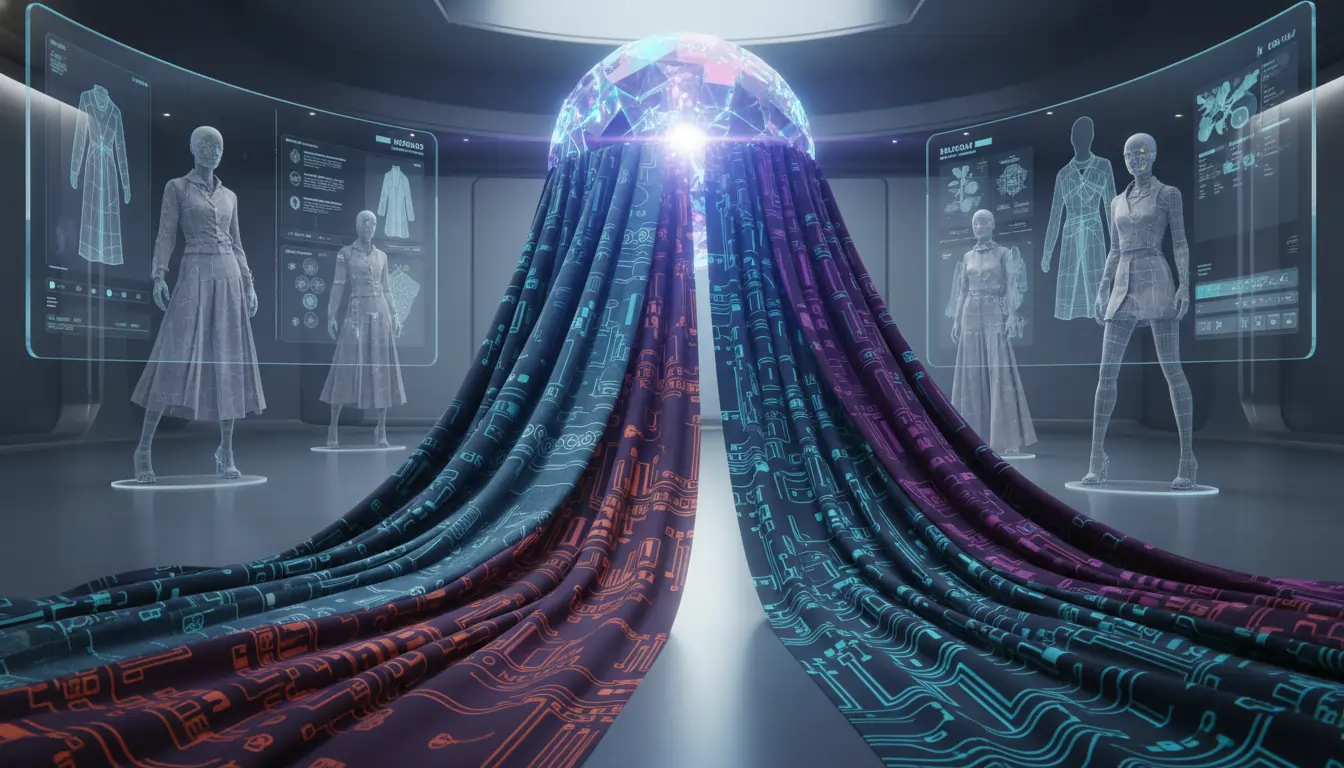
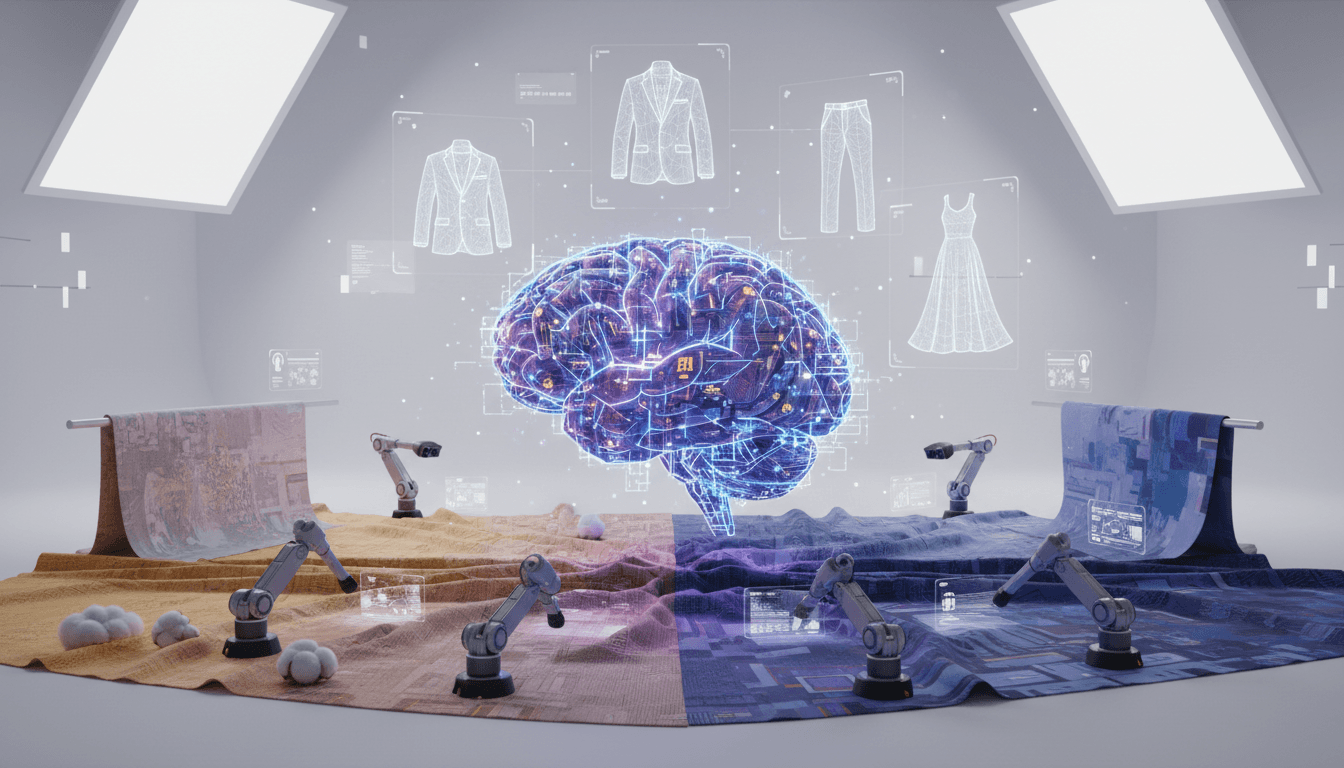
The Fabric to Garment Generator is powered by a structured AI pipeline that ensures both realism and consistency.
1. Fabric Analysis Engine
The system first analyzes the uploaded fabric image, identifying:
- Texture patterns
- Color distribution
- Material behavior (smooth, rough, reflective, etc.)
This ensures that the final garment accurately reflects the original fabric.
2. Garment Structure Mapping
The AI applies the fabric onto predefined garment templates while maintaining:
- Natural folds and drapes
- Seam alignment
- Proportional accuracy
3. Model Integration (For Model Mode)
When using the model-based mode, the system:
- Selects appropriate human poses
- Adjusts garment fit dynamically
- Maintains realism in shadows and lighting
4. Rendering and Enhancement
The final step enhances the output with:
- Professional lighting
- Balanced composition
- Clean backgrounds or contextual scenes
Why This Matters for the Fashion Industry
The fashion industry is rapidly moving toward digital-first workflows. The ability to visualize garments without physical production is becoming a competitive advantage.
Faster Product Development
Designers can move from fabric selection to visual output in minutes instead of weeks.
Cost Efficiency
Eliminates expenses related to sampling, photoshoots, and manual editing.
Scalable Creativity
Brands can experiment with multiple designs, fabrics, and styles without limitations.
Improved Marketing Performance
High-quality visuals lead to better engagement, higher click-through rates, and increased conversions.
Beyond Fashion: Multi-Industry Applications
While primarily designed for fashion and textiles, this technology extends to other domains.
Interior Design
Visualize fabrics as curtains, upholstery, or decor elements.
Custom Merchandise
Create apparel previews for print-on-demand businesses.
Digital Prototyping
Use visuals for presentations and client approvals.
Comparing Without Model vs With Model
| Feature | Without Model | With Model |
|---|---|---|
| Focus | Product | Lifestyle |
| Use Case | Catalogs | Marketing |
| Background | Minimal | Contextual |
| Engagement | Moderate | High |
| Cost Savings | High | Very High |
Both modes complement each other and can be used together for a complete marketing strategy.
The Future of AI in Textile Design
AI is not replacing creativity—it is enhancing it.
The Fabric to Garment Generator allows designers and brands to:
- Focus on innovation instead of manual processes
- Test ideas quickly
- Launch products faster
- Compete effectively in a digital-first market
As AI continues to evolve, tools like this will become essential components of modern design workflows.
Conclusion
The Textile-AI Fabric to Garment Generator is more than just a visualization tool. It is a complete transformation of how garments are designed, presented, and marketed.
By enabling both product-focused and model-based outputs, it provides flexibility for different business needs while maintaining high standards of realism and quality.
For brands looking to accelerate their workflow, reduce costs, and improve visual storytelling, this tool offers a powerful and scalable solution.