Imagine clicking a button on your computer and watching a whole new clothing line appear on your screen before your morning coffee even gets cold.
Not too long ago, making a new fashion collection took many months. Designers had to draw pictures by hand. Then, they had to cut fabric, sew it together, and hire models to wear the clothes. Finally, they took pictures to show the world. If someone made a mistake, they had to start all over again.
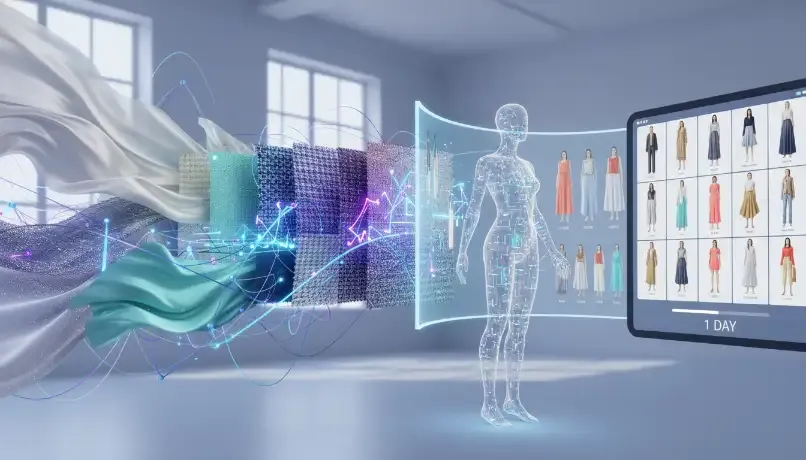
Today, things have changed completely. Thanks to AI fashion, brands can do all of this work in just one single day. You might be wondering how this is even possible. The secret is the use of smart computer tools that help people design clothes fast.
In this post, you will learn exactly how fashion brands build an entire fashion lookbook in 24 hours. We will look at how countries like the United States and France are leading this big change. We will also show you how you can use these tools yourself.
The Magic of AI Fashion Today
When you think of fashion, you might think of grand runway shows in Paris or busy fashion streets in New York. You might not think of computers. But today, the fashion world and the computer world are best friends. This friendship is called fashion tech.
What Is an AI Fashion Lookbook?
To understand this magic, you first need to know what a lookbook is. A lookbook is simply a book or a webpage full of pictures. It shows off a brand's new clothes for the season. It helps buyers see how the clothes look when they are worn.
In the past, making this book was hard work. You needed real clothes, real models, real cameras, and perfect weather. Today, an AI fashion lookbook changes everything. You do not need a camera. You do not even need real clothes!
Instead, you use computers to create pictures of clothes that look 100% real. The computer draws the clothes, puts them on virtual models, and places them in any setting you want. You can make a model stand on a beach in California or in front of the Eiffel Tower in France, all from your desk.
Quote: "The future of fashion is not just about what we wear, but how quickly we can dream it and share it with the world."
If you want to see how this works from the very beginning, you can explore the main tools at The Textile AI.
Why the United States and France Lead the Change
The shift to digital fashion is happening all over the world. But the United States and France are the two captains steering the ship. Why? Because they both have something special to offer.
France is the historic home of high fashion. Paris has been the fashion capital of the world for hundreds of years. The French know exactly what makes a dress beautiful. They know about fine fabrics, perfect cuts, and rich history. French fashion houses want to keep their beautiful art, but they also want to work faster.
The United States is the home of modern technology. Places like Silicon Valley in California build the smartest computer brains in the world. Tech workers in the US know how to write computer codes that can draw pictures, learn from data, and solve problems fast.
When you mix French fashion art with American computer power, you get perfect AI design. For example, a fabric maker in France can send a digital picture of a new silk to a designer in New York. The designer in New York can use an AI tool to turn that silk picture into a dress in five seconds.
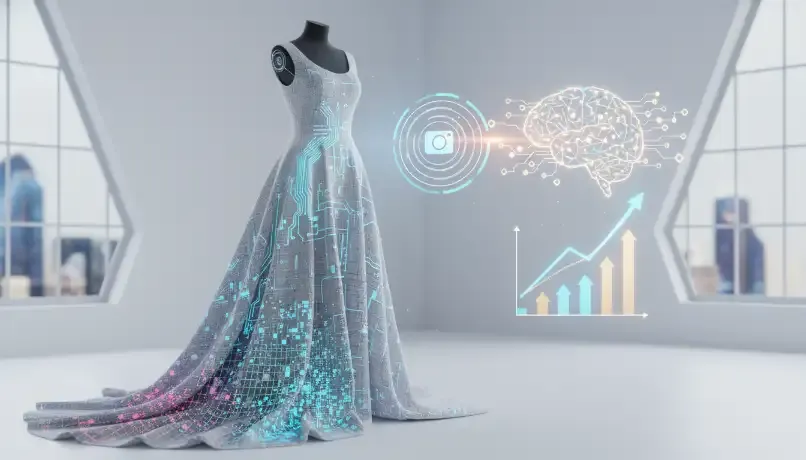
Statistics highlight this boom: According to a report by McKinsey & Company, fashion companies that invest in digital technology can cut their time-to-market by up to half. Furthermore, the global AI in fashion market is expected to grow into a multi-billion dollar industry very soon. This is a huge deal for anyone making clothes.
How Brands Go From Idea to Fashion Lookbook in 24 Hours
You might still be thinking, "How do they do it in just one day?" It sounds like magic, but it is actually a clear, step-by-step process. Let us walk through the 24 hours of creating a new collection.
Step 1: Dreaming Up the AI Design
The day starts in the morning with an idea. Let us say a designer wants to make a summer dress. In the old days, they would spend hours drawing with a pencil. Now, they use fashion design software.
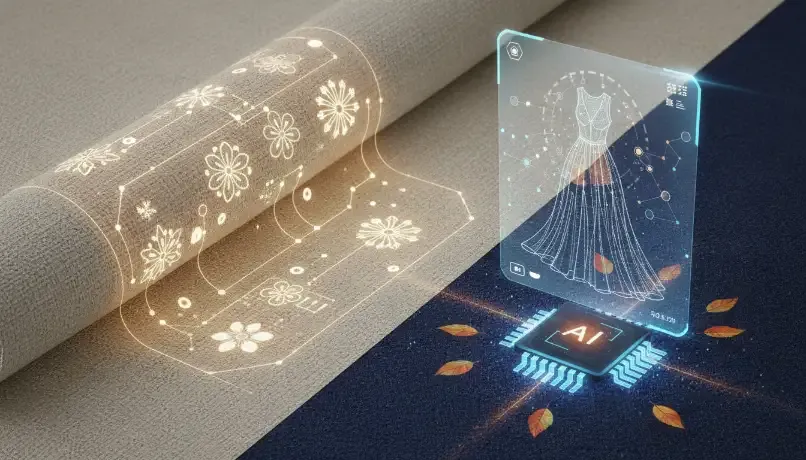
They simply type words into the computer. They might type, "A long red summer dress with white flowers, made of light cotton." The computer reads these words. In just a few seconds, the computer shows them four different pictures of a red summer dress.
If the designer does not like the flowers, they can change the words. "Make the flowers yellow," they type. Instantly, the picture changes. This fast drawing process is called AI design. It allows a designer to come up with fifty different dress ideas before lunchtime.
If you want to test how fast you can turn a written idea into a fashion design, you can try out an AI Tool today.
Tip: When you type words for the AI, be very clear. Use color names, fabric types, and describe the fit of the clothes. The more details you give, the better your design will be.
Step 2: Turning Fabric Into Fashion
By afternoon, the designer has picked the best dress shapes. Now, they need to see how real fabrics will look on these dresses. This is a very important step in the textile industry.
Let us say a fabric mill in Texas has just created a brand-new, super-soft denim fabric. They take a clear picture of this flat piece of denim. The designer takes this flat picture and tells the AI to wrap it around the digital dress they designed in the morning.
The AI knows how fabric works. It knows how denim folds, how it catches the light, and how heavy it looks. The AI wraps the flat picture of the fabric around the dress shape perfectly.
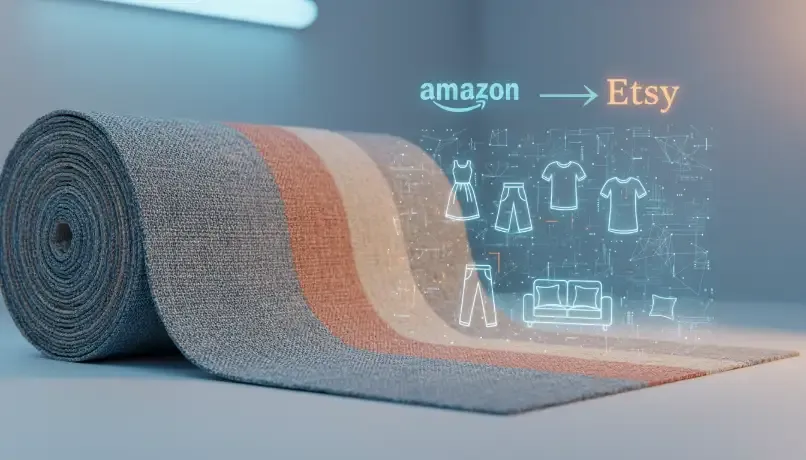
This saves so much time. You do not have to wait weeks for the fabric to travel on a boat from the mill to the sewing room. You can go from a flat picture of cloth straight to a finished-looking piece of AI clothing. You can learn exactly how this amazing step works by visiting the Fabric to Garment tool.
If you want to see how this works for other types of products too, you can check out the Fabric to Product page to see the bigger picture.
Step 3: The Virtual Try-On Experience
Now it is evening. The designer has beautiful digital dresses with real fabric patterns on them. But clothes are meant to be worn by people! A flat dress does not sell well. You need to show it on a human body.
In the past, this meant calling a model, hiring a makeup artist, and paying for a photo studio. Today, we use virtual fashion.
The designer chooses a digital model. They can pick a model of any size, shape, or skin color. Then, the computer dresses the digital model in the new digital dress. The result is a photograph that looks completely real. You can see the shadows, you can see the fabric moving, and you can see how the dress fits on a real person.
This is called a virtual try-on. It is one of the most exciting parts of fashion tech today. Not only do brands use it to make their lookbooks, but some stores even let you use it. You can upload a picture of yourself, and the AI will show you how the dress will look on your own body!
To see how you can put digital clothes on models in just a click, explore the Virtual Try-On feature. By the time the designer goes to bed, they have a complete book of realistic photos ready to show the world.
Note: Virtual try-ons are helping shoppers feel more confident. When you can see how a dress fits someone who looks like you, you are happier with what you buy.
The Big Shift: From Sketchpad to Fashion Design Software
The move from old paper sketchpads to smart fashion design software is not just a neat trick. It is a massive change that is fixing some of the biggest problems in the textile world.
Saving Time and Money
Making clothes the traditional way is very expensive. Every time a designer wants to test a new jacket, they have to make a "sample." A sample is a test version of the clothes.
Making one physical sample requires buying fabric, paying someone to make the pattern, and paying someone to sew it. One jacket sample can cost hundreds or even thousands of dollars. If the designer does not like how the pockets look, they have to throw that sample away and pay for a new one.
When a brand makes a whole collection, they might make hundreds of samples. That costs a massive amount of money. Also, making samples takes a long time. It can take three weeks just to get one test jacket.
With digital fashion, making a sample costs almost nothing. You pay for your computer tool, and you can make thousands of digital samples for that same price. If you do not like the pockets on the digital jacket, you click a button to delete them. It takes two seconds and costs zero extra dollars.
For small businesses in both the United States and France, this is a dream come true. You no longer need to be a giant millionaire company to design beautiful clothes. You just need the right tools. If you are curious about how little it costs to use these smart tools compared to the old way, you can look at the Pricing details.
Making Virtual Fashion Eco-Friendly
Saving money is great, but saving the planet is even better. The traditional fashion industry creates a lot of pollution.
Did you know that making clothes uses massive amounts of water and creates tons of waste? When physical samples are made and thrown away, all that fabric goes into the trash. The UN Environment Programme states that the fashion industry creates a large portion of the world's wastewater and carbon emissions.
France has recently passed strict laws to stop companies from throwing away unsold clothes. People in the United States are also demanding that brands stop hurting the earth.
This is where virtual fashion becomes a superhero. Because all the testing, designing, and lookbook creation happens on a computer screen, there is zero fabric waste. No water is used to dye test fabrics. No airplanes are used to fly test samples across the ocean. The carbon footprint of an AI lookbook is incredibly small compared to a traditional lookbook.
By using fashion design software to decide exactly what the clothes will look like before cutting any real fabric, brands only make what they know they will sell. This is called sustainable fashion, and AI makes it much easier to achieve.
Real Tools Changing the Textile Industry
Let us dive deeper into the actual tools that make this happen. The technology has grown so fast, and the tools are incredibly fun to use.
Digital Fashion Meets 3D Fashion
For a long time, digital drawings were just flat 2D pictures. They looked like cartoons. Today, we have 3D fashion.
3D fashion means the digital clothes have depth. You can use your computer mouse to grab the digital dress and spin it around. You can look at the back, the sides, and even look underneath the collar.
When you add AI into the mix, these 3D designs look exactly like real life. The AI understands how different fabrics behave in the real world. Silk is shiny and flows like water. Wool is thick, fuzzy, and stiff. Cotton is smooth and holds its shape.
When designers create a 3D model, the AI applies the correct texture to the digital cloth. This is why an AI-powered lookbook can fool your eyes into thinking you are looking at a real photograph. If you want to see some amazing examples of what people are creating right now, you should take a walk through the Gallery. You will be amazed at how real everything looks!
Remember: 3D fashion is not just for lookbooks. Video game makers and movie creators use these exact same tools to dress their digital characters. The lines between a fashion designer and a video game artist are starting to blur!
Bringing AI Clothing to the Real World
Some people worry that AI clothing will stay stuck in the computer forever. They ask, "But how do we make the real clothes for me to wear?"
Do not worry! AI helps with that, too. Once the designer loves the 3D digital dress, the software can help create the instructions for the real-life sewing machines. The computer tool can flatten the 3D dress into a "pattern." A pattern is like a map that tells the factory workers exactly where to cut the real fabric.
This means the jump from the digital world to the real world is very smooth. A brand can create an AI lookbook in one day, post it on their website the next day, and see how many people want to buy the dress. If a lot of people pre-order the dress, the brand sends the AI-generated pattern straight to the factory.
This smart way of working helps everyone. The factory knows exactly what to do, and the brand only makes clothes that people actually want to buy. If you want to read the technical details of how these systems connect, you can read the simple guides in the Docs section.
The Future of Fashion Tech
We are only at the beginning of this exciting journey. The future of fashion tech holds even more surprises. Let us look at what is coming next for you and the brands you love.
Personal Catalogs and Collections
In the past, a big brand would make one lookbook, and everyone in the world saw the exact same book. Now, AI can help brands make special, personalized books.
Imagine you live in New York, and it is freezing cold in December. When you visit a brand's website, the AI knows you might want warm clothes. It quickly creates a digital catalog full of heavy coats and thick wool sweaters, all modeled on the streets of a snowy city.
At the same exact time, someone in sunny Miami visits the same website. The AI knows they need cool clothes. It creates a completely different catalog for them, filled with light t-shirts and shorts, modeled on a sunny beach.
Brands can easily group their AI clothing into different collections to match what their buyers need. You can see how easy it is to manage massive lists of digital clothes by looking at the Catalog feature. It is like having a magical closet that organizes itself!
Holiday Events and Special Matches
Fashion moves very fast around holidays. Brands want to sell special clothes for Christmas, Halloween, and Valentine’s Day. In the old days, they had to start designing Valentine’s Day dresses in July!
With AI, a brand can react instantly. Let us say a brand wants to do something special for the month of romance. They can use AI to quickly design beautiful red and pink outfits. They can set up a whole Event page dedicated just to these new styles.
In fact, AI is great at matching things up. Want to see how a couple looks wearing matching Valentine’s outfits? The AI can place two digital models next to each other and coordinate their clothes perfectly. If you are curious about holiday specials, you can visit the Valentine page. You can even see how these tools create perfect pairs by checking out the Matching Outfits video guide.
This speed means brands can follow fast trends. If a certain color becomes super popular on a Tuesday, a brand can have an entire digital lookbook featuring that color ready to show the world by Wednesday morning.
Quote: "In the new world of fashion tech, your imagination is the only speed limit."
How You Can Get Started Today
Reading about this massive change in the textile industry is exciting. But participating in it is even better. You do not need to live in Paris or Silicon Valley to try this out. You do not need a fancy degree from an art school. You just need a computer and an idea.
Learn and Grow
The world of fashion technology is always changing. Every week, there are new tools, new updates, and new tricks to learn. The best way to stay smart is to read and watch what others are doing.
You can read stories about small business owners who doubled their sales using digital lookbooks. You can read about new French laws that are pushing brands to be more eco-friendly. The more you know, the better your own designs will be.
To keep learning in a simple, easy-to-understand way, you should regularly visit the Blogs. There is always something new to discover.
Join the AI Fashion World
Are you ready to create your very own fashion lookbook? Are you ready to see your ideas come to life in seconds instead of months?
The best part of AI fashion is that it is built for you. The screens are easy to read. The buttons are simple to click. If you can type a text message to a friend, you can design a beautiful digital dress.
You can start by testing out the free features. Try uploading a picture of a cool fabric you found. Tell the AI to make a jacket out of it. Put that jacket on a digital model. In just five minutes, you will understand exactly why the whole world is so excited about this technology.
All you have to do is take the first step. You can securely set up your own space and save your creations right now. Just head over to Login and begin your journey into the future of fashion.
Conclusion
The way we make clothes has changed forever. The days of wasting months of time, thousands of dollars, and piles of scrap fabric are coming to an end.
By combining the rich, beautiful history of French fashion with the lightning-fast brains of American technology, the world has discovered a better way to create. AI fashion is not here to replace human creativity. It is here to give human creativity a superpower.
From the first idea in a designer's mind to a fully finished, ultra-realistic fashion lookbook, the process now takes just one single day. We have seen how tools like text-to-design, fabric wrapping, and virtual try-ons make this magic happen. We have seen how it saves money and helps protect our planet.
Whether you are a big brand owner, a small boutique runner, or just someone who loves clothes, fashion tech is opening doors that used to be locked tight. The digital runway is ready and waiting for you. All you have to do is click a button and let your imagination walk down the catwalk.