If you sell fabric to boutiques, exporters, or global buyers, you already know the biggest challenge:
Buyers can’t visualize the final garment.
A fabric may look great—but until customers see it as a stitched product, decisions are delayed.
This gap between fabric and final garment slows down approvals, increases questions, and reduces conversions.
That’s where fabric-to-garment design AI comes in.
The Real Problem: “We Can’t Imagine It Stitched”
In textile selling, buyers often ask:
- “Do you have a stitched sample?”
- “How will this look as a kurti or dress?”
- “Can you show it on a model?”
These questions create delays.
Traditional solutions include:
- Stitching samples
- Photoshoots
- Editing and formatting
- Sending swatches
All of this costs time and money.
What Is Fabric-to-Garment Design AI?
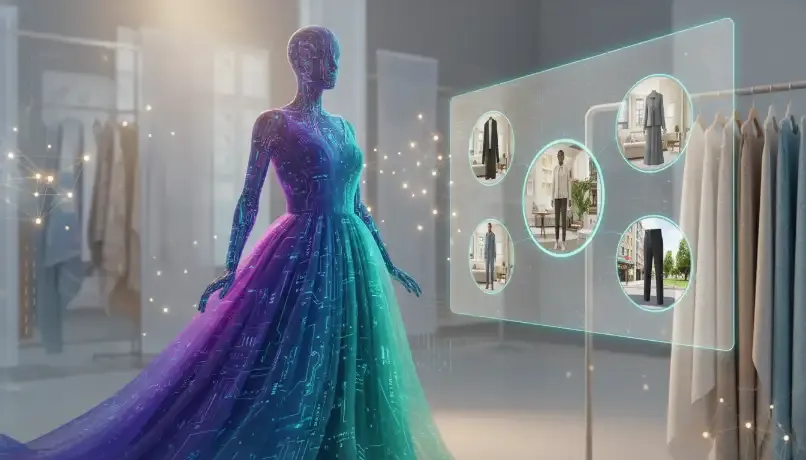
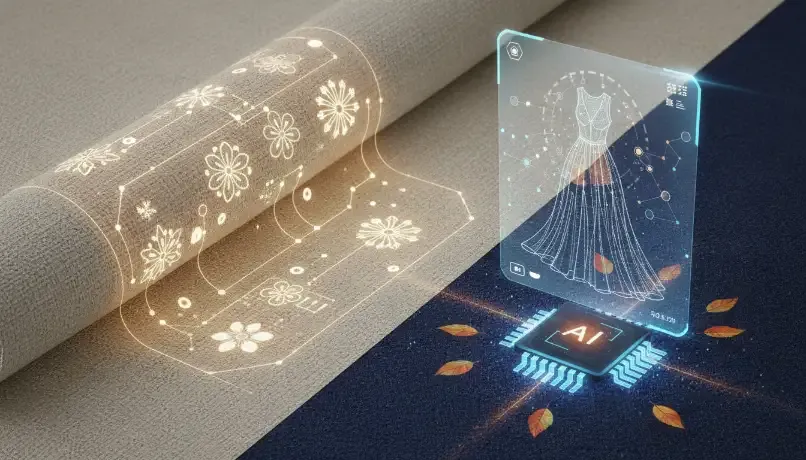
Fabric-to-garment design AI converts a simple fabric image into a realistic garment preview.
Instead of showing raw fabric, you show a finished product visualization.
This helps buyers instantly understand:
- Design placement
- Fabric scale
- Final look and feel
How It Works (Simple Steps)
Step 1: Upload Fabric Image
Use a clear image with:
- Good lighting
- Minimal folds
- True colors
Step 2: Select Garment Style
Choose styles like:
- Kurti
- Dress
- Shirt or top
Step 3: Generate Visuals
AI creates a realistic garment preview showing:
- Pattern placement
- Fabric fall
- Overall appearance
Step 4: Use for Selling
Use these visuals in:
- WhatsApp selling
- Buyer presentations
- Catalogs
- E-commerce listings
Why This Improves Sales
Fabric images show material.
Garment visuals show outcome.
That difference leads to:
- Faster buyer decisions
- Higher response rates
- Better product understanding
- Stronger brand perception
Key Benefits for Textile Businesses
1. Faster Approvals
Buyers can visualize quickly → fewer delays.
2. Reduced Sampling
You don’t need to stitch every design → saves cost and time.
3. Better Global Communication
Visuals remove language barriers and confusion.
4. Stronger Presentations
Your products look like a finished catalog, not raw inventory.
5. Fewer Production Errors
Better early visualization → fewer mistakes later.
Real Use Cases
Boutique Owners
- Show stitched look instantly
- Sell faster on WhatsApp and Instagram
Wholesalers
- Create quick digital catalogs
- Offer multiple design options
Exporters
- Present collections professionally
- Get faster buyer approvals
Textile Manufacturers
- Reduce trial-and-error
- Improve planning decisions
Examples Buyers Understand Quickly
Example 1: Cotton Print
One fabric →
- Kurti
- Dress
- Casual top
Example 2: Ethnic Print
One fabric →
- Kurti
- Co-ord set
- Festive outfit
Example 3: Premium Fabric
One fabric →
- Formal shirt
- Minimal dress
- Ethnic wear
This helps target multiple buyer segments.
Using It for Online Selling
Fabric-to-garment visuals help buyers imagine the product.
For full e-commerce selling, combine this with catalog images:
https://www.thetextileai.com/catalogs
This helps create:
- Marketplace-ready images
- Consistent product listings
- Professional brand presentation
Conversion Tips That Actually Work
1. Use 3-Image Method
Send buyers:
- Garment preview
- Fabric close-up
- Alternate style
2. Show Full Scale
Always include full garment view to show pattern size.
3. Keep It Real
Avoid over-editing. Real visuals build trust.
4. Improve First Impression
Use garment visuals first, fabric images second.
5. Maintain Consistency
Consistent visuals make your brand look professional.
Why This Works in Today’s Market
Today:
- Buyers discover products online
- Decisions happen digitally
- Speed matters
Fabric-only images are no longer enough.
Buyers expect clear visualization before purchase.
Conclusion
Fabric-to-garment design AI is not just a tool—it’s a faster way to sell.
It helps you:
- Show products clearly
- Reduce delays
- Improve buyer confidence
- Increase conversions
In modern textile selling:
The better you show the product, the faster you sell it.