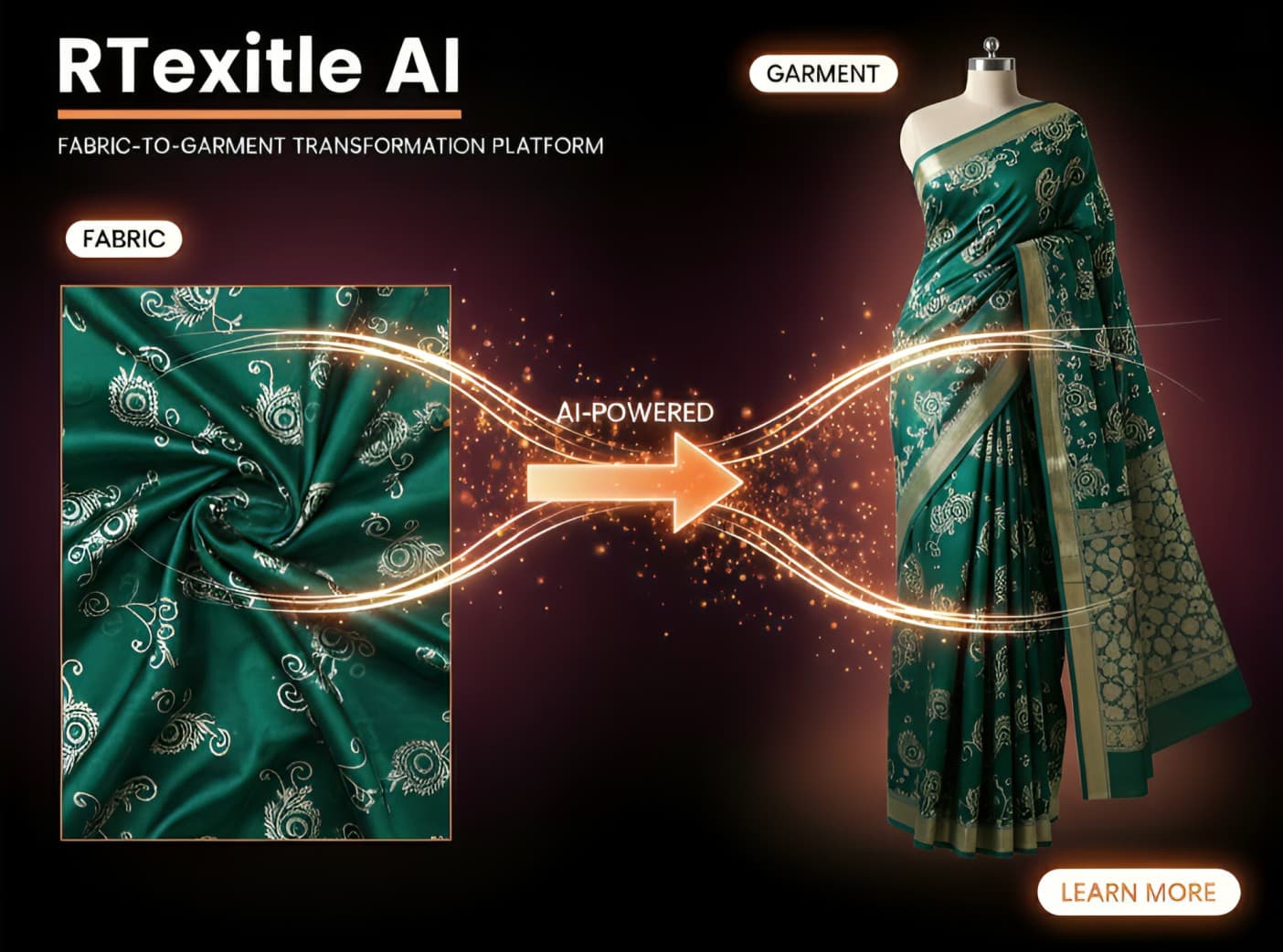
From Fabric to Fashion: How AI is Revolutionizing the Journey from Fabric to Garment
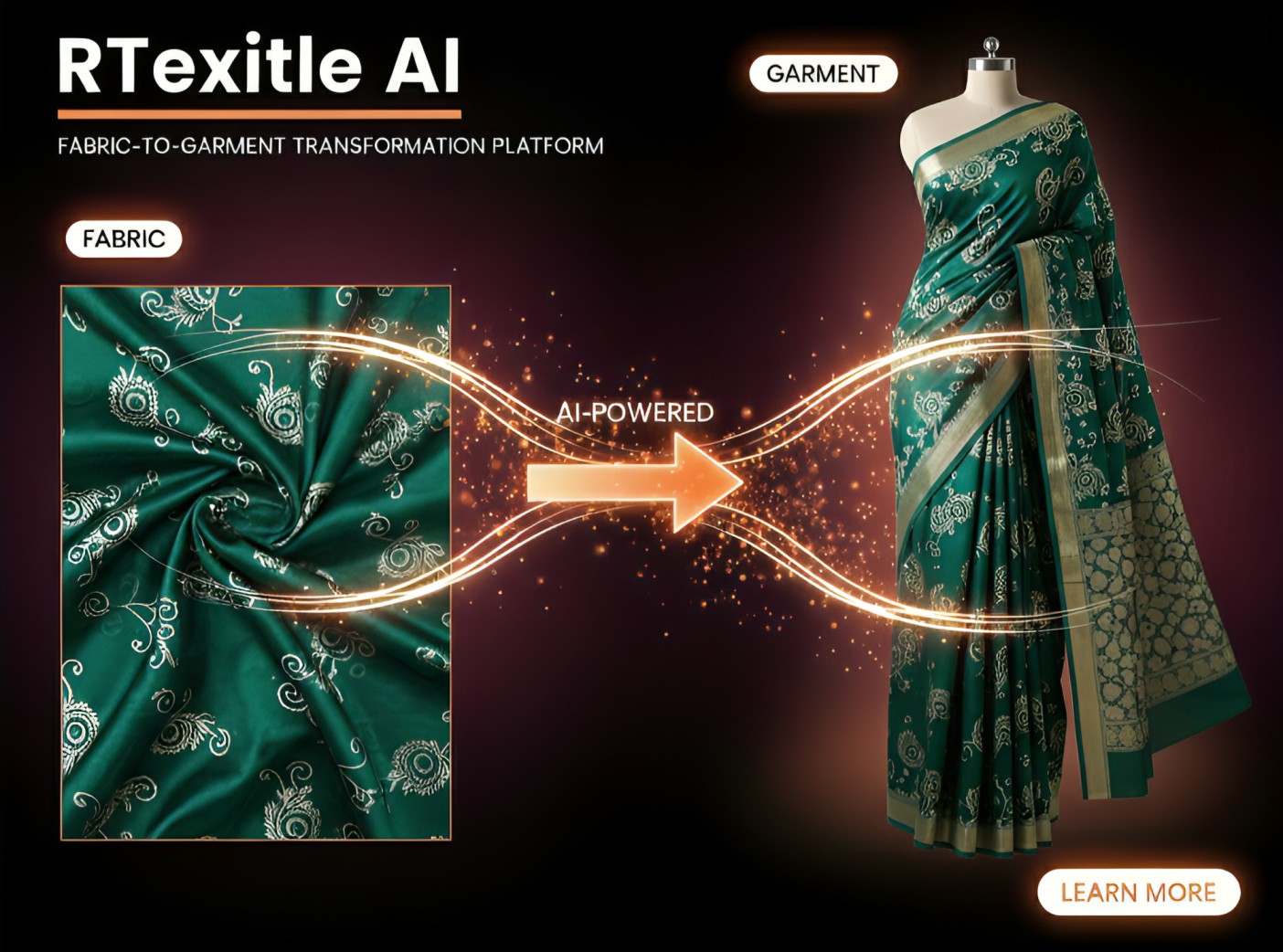
In today’s digital era, Artificial Intelligence (AI) is transforming almost every industry — and the textile and fashion world is no exception. From the first thread of fabric to the final stitched garment, AI is reshaping how designs are created, materials are selected, and clothes are produced. The traditional process of garment manufacturing is evolving into an intelligent, automated, and data-driven workflow that saves time, reduces waste, and boosts creativity.
What Does “Fabric to Garment AI” Mean?
“Fabric to Garment AI” refers to a new generation of technologies that use artificial intelligence to analyze, design, and simulate garments directly from fabric data.
Instead of relying on manual sketches and long sampling cycles, AI tools can now:
-
Understand fabric texture, color, and pattern from images or scans.
-
Generate virtual garment prototypes — dresses, shirts, or home decor — in seconds.
-
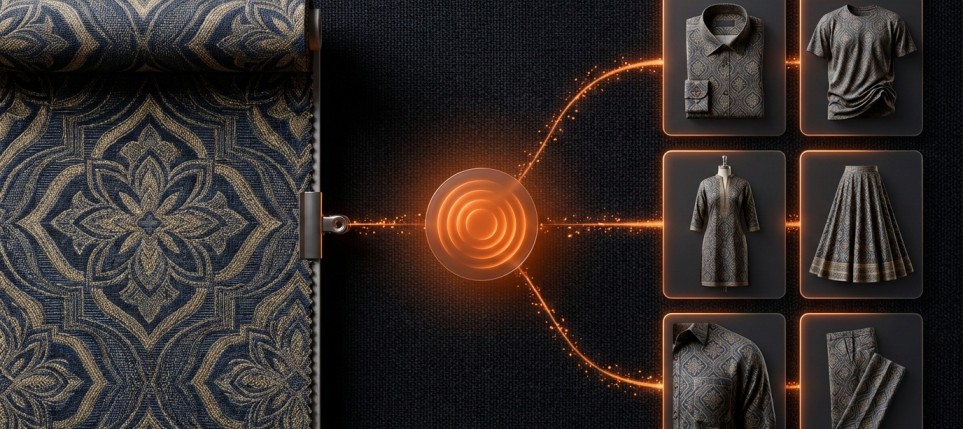
Suggest the best garment types for a given fabric based on its drape, elasticity, or weave.
-
Predict fit, comfort, and visual appeal before even producing a single piece.
This fusion of data, creativity, and automation makes the entire supply chain more efficient and sustainable.
How AI Works in the Fabric-to-Garment Pipeline
AI technologies combine computer vision, deep learning, and 3D simulation to create a seamless design-to-production flow:
1. Fabric Recognition
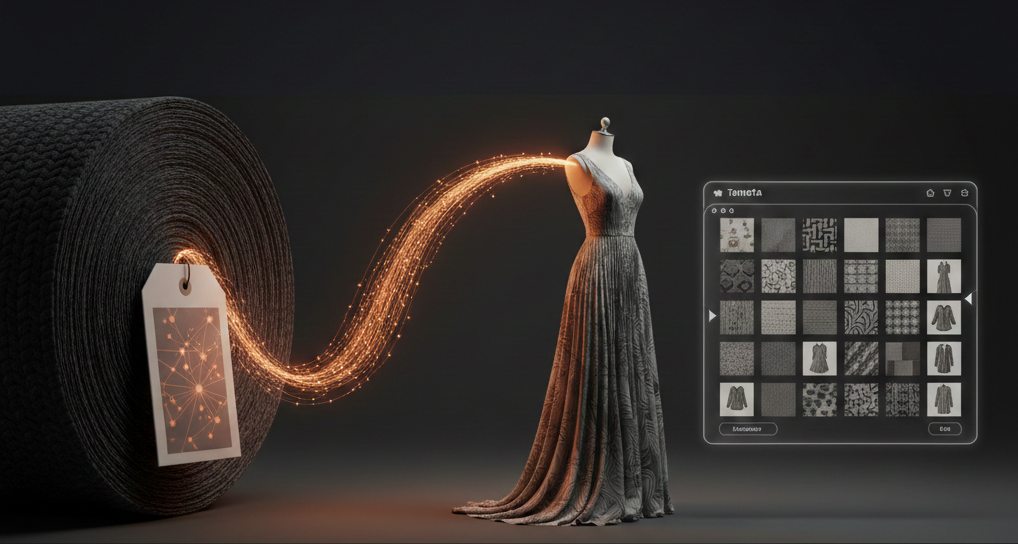
AI analyzes fabric images to detect material type, weave pattern, color tone, and surface details.
This helps brands maintain digital fabric libraries for designers and clients.
2. Design Generation
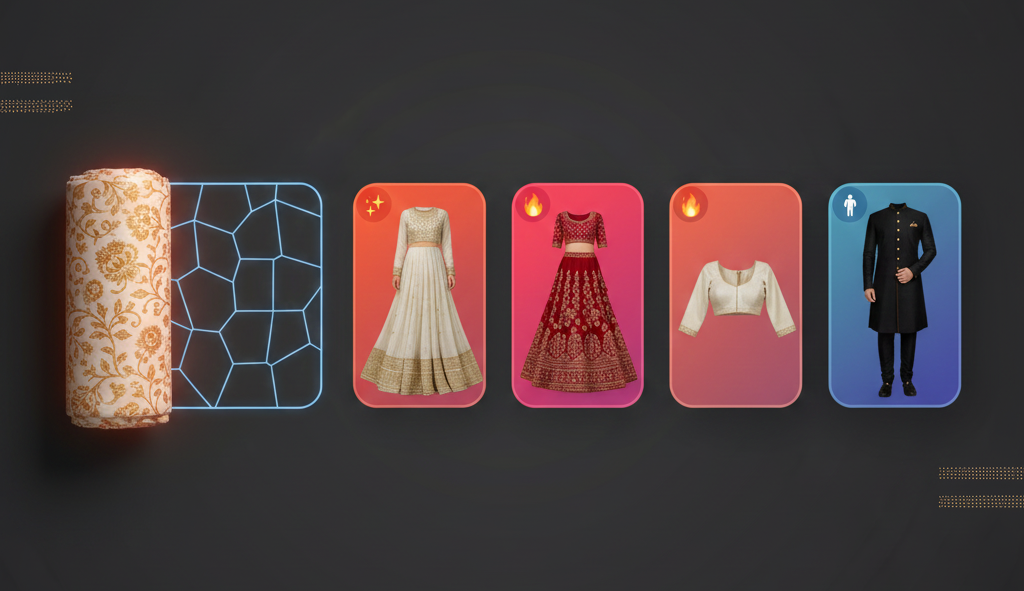
Using Generative AI models, designers can turn fabric textures into fully rendered garments — from elegant gowns to modern streetwear — all within seconds.
3. Virtual Try-On
With 3D avatars and AR (Augmented Reality), users can visualize how the fabric looks as a finished outfit.
This reduces the need for physical samples and supports eco-friendly decision-making.
4. Production Optimization
AI predicts cutting layouts, fabric usage, and machine settings to minimize waste and ensure high-quality finishing.
Why It Matters for the Textile Industry
| Benefit | Description |
|---|---|
| Speed & Efficiency | AI reduces the design-to-production cycle from weeks to hours. |
| Sustainability | Fewer samples mean less fabric waste and lower carbon footprint. |
| Customization | Personalized garment recommendations based on trends and user data. |
| Cost Saving | Automated workflows cut design and labor costs significantly. |
Real-World Applications
-
Designers use AI to explore limitless combinations of fabrics and silhouettes.
-
Manufacturers predict defects and optimize fabric cutting patterns.
-
E-commerce platforms allow shoppers to visualize clothing in real time.
-
Fashion brands leverage AI insights to forecast trends and consumer preferences.
The Future of Fabric to Garment AI
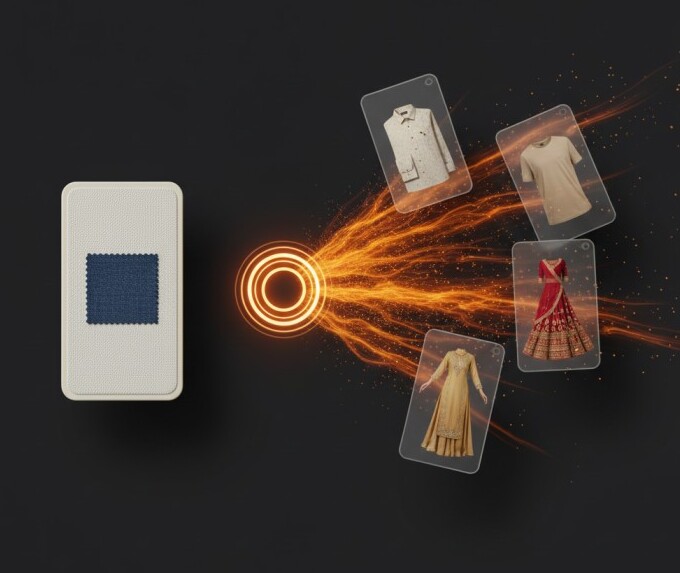
The future lies in smart, sustainable fashion — where AI connects creativity, manufacturing, and customer experience. Soon, designers will simply upload a fabric photo, and AI will automatically generate, simulate, and price a full clothing line ready for production.
In short, Fabric-to-Garment AI is not replacing creativity — it’s amplifying it.
Final Thoughts
From loom to runway, the textile industry is entering an era of intelligent creation. AI empowers designers to think bigger, manufacturers to work smarter, and customers to experience fashion in a more personalized and sustainable way.
The question is no longer “Will AI change fashion?” — it already has.
The real question is: Are you ready to embrace the fabric-to-garment revolution?