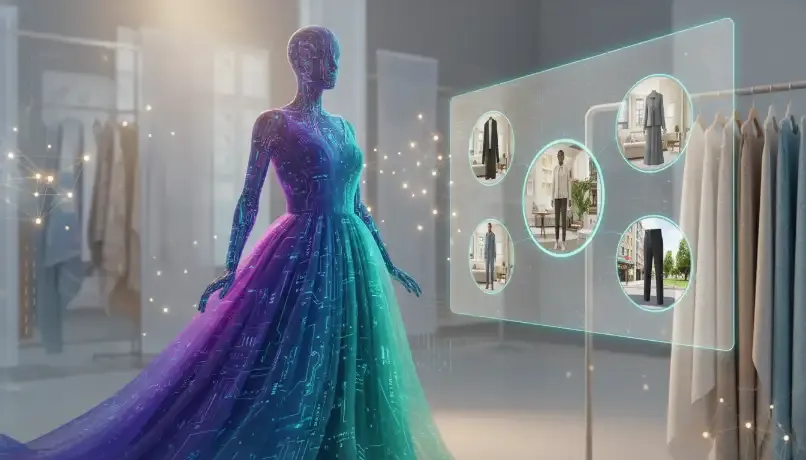
What if your customers could try on clothes instantly—without visiting a store or using a physical fitting room?
Virtual try-on technology is making this possible. It allows shoppers to see how garments look and fit before buying, directly on their phone or screen.
For fashion brands and ecommerce sellers, this is more than a new feature. It is becoming a key driver of conversions, customer satisfaction, and reduced returns.
Why Virtual Try-On Matters Today
Online fashion is growing rapidly, but one major problem still affects sales—uncertainty about fit and appearance.
Customers often hesitate because they are unsure:
- how the garment will look on them
- whether the size will fit correctly
- how the fabric will fall
Virtual try-on reduces this uncertainty by giving customers a visual and interactive experience before purchase.
Studies show that brands using virtual try-on can see:
- 15–30% higher conversion rates
- 15–30% lower return rates
This directly impacts revenue and profitability.
The Shift to Mobile-First Fashion Shopping
Most online fashion shopping now happens on mobile devices. Customers browse quickly, compare products, and make decisions within seconds.
In this environment:
- static images are not enough
- size charts are often ignored
- visual confidence becomes critical
Virtual try-on adds an interactive layer that helps customers make faster and more confident decisions.
What Is Virtual Try-On in Fashion
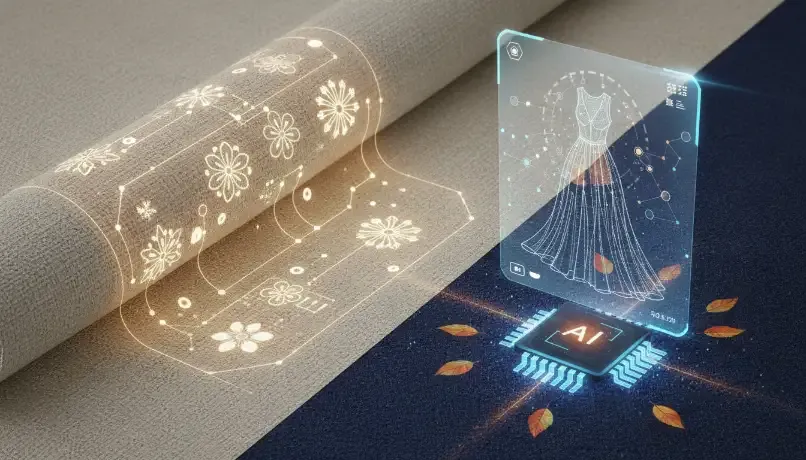
Virtual try-on uses technologies like augmented reality (AR), artificial intelligence (AI), and 3D modeling to simulate how clothing looks on a person.
It allows users to:
- try garments using their camera
- upload photos and visualize outfits
- use avatars based on body measurements
This creates a digital fitting room experience that closely replicates in-store trials.
How Virtual Try-On Works
1. Image or Camera Input
Users either upload a photo or use their live camera.
2. Body Detection and Mapping
AI analyzes body shape, pose, and proportions to position the garment correctly.
3. Garment Simulation
The system overlays clothing while maintaining:
- fit alignment
- fabric flow
- realistic proportions
4. Real-Time Visualization
Users can view the outfit from different angles or test multiple options instantly.
Why Customers Prefer Virtual Try-On
Modern shoppers value experience as much as price.
Virtual try-on helps by:
- increasing confidence before purchase
- reducing guesswork
- improving satisfaction
Customers are more likely to complete a purchase when they can visualize the product clearly.
Business Impact for Fashion Brands
Higher Conversions
Customers who feel confident are more likely to buy.
Reduced Returns
Fit-related returns are one of the biggest costs in fashion ecommerce. Virtual try-on helps reduce these significantly.
Improved Customer Experience
Interactive features increase engagement and time spent on product pages.
Stronger Brand Differentiation
Brands offering virtual try-on stand out in a crowded market.
Where to Use Virtual Try-On in Your Store
To maximize results, virtual try-on should be placed strategically:
- product pages (especially best-selling items)
- high-return categories like dresses and jeans
- mobile-first shopping flows
This ensures the feature is available where customers need it most.
Use Cases Across Business Sizes
Small Boutique Brands
- create a premium shopping experience
- reduce dependency on physical trials
- improve customer trust
Growing Ecommerce Brands
- increase average order value
- improve repeat purchases
- stand out in marketplaces
Large Fashion Retailers
- build omnichannel experiences
- integrate online and in-store fitting
- use advanced 3D and AR tools
Common Mistakes to Avoid
Even with good technology, poor implementation can reduce effectiveness:
- hiding the try-on feature
- not optimizing for mobile users
- using low-quality product images
- offering it only on limited products
Virtual try-on should be visible, simple, and easy to use.
Future Trends in Virtual Fashion
Virtual try-on is evolving quickly.
Future developments may include:
- more realistic fabric simulation
- AI-based size recommendations
- integration with social commerce
- virtual shopping experiences
As digital commerce grows, virtual try-on will become a standard feature in online fashion.
How to Get Started
You do not need to build complex systems from scratch.
A simple approach:
- identify key products or categories
- choose a virtual try-on solution
- launch a pilot version
- track conversion and return data
- expand based on results
Starting small allows you to test and scale efficiently.
Conclusion
Virtual try-on is transforming how fashion is sold online. By reducing uncertainty and improving customer confidence, it helps brands increase conversions, reduce returns, and deliver better shopping experiences.
For fashion businesses, adopting virtual try-on is no longer optional—it is becoming essential for staying competitive in a digital-first market.