Introduction
In online fashion, customers cannot touch or feel the fabric.
This creates one big problem:
Uncertainty.
When shoppers are unsure about fabric quality, comfort, or suitability, they hesitate—and hesitation reduces add-to-cart rates.
The solution is simple but powerful:
Offer and clearly present fabric variants.
Why Fabric Variants Matter in Fashion E-Commerce
Fabric is not just a product detail—it directly influences buying decisions.
Different fabrics serve different needs:
- Cotton → comfort and breathability
- Silk → premium and occasion wear
- Linen → lightweight and summer-friendly
- Polyester → durability and affordability
When customers see multiple fabric options, they feel:
- More control
- More choice
- More confidence
This directly increases the chances of adding products to the cart.
How Fabric Variants Influence Buyer Behavior
Customers don’t just buy designs—they buy how a product will feel and perform.
Key decision factors include:
- Comfort
- Texture
- Durability
- Season suitability
- Maintenance
When this information is missing, users hesitate.
When it’s clear, users act.
👉 Well-informed shoppers are significantly more likely to add items to their cart.
Common Problem: Lack of Fabric Clarity
Most fashion websites fail here.
They:
- Mention fabric in one line
- Don’t show texture clearly
- Don’t explain differences
This creates doubt:
- “Will this be comfortable?”
- “Is it suitable for summer?”
- “Will it look premium?”
Doubt = no add-to-cart.
How to Showcase Fabric Variants Properly
1. Write Clear Fabric Descriptions
Explain fabric in simple terms:
- Feel (soft, smooth, heavy)
- Usage (daily, party, office)
- Season (summer, winter)
Example:
“Soft breathable cotton ideal for daily wear in warm weather.”
2. Use High-Quality Fabric Visuals
Show:
- Close-up texture
- Zoomed fabric details
- Draping style
This replaces the “touch and feel” experience online.
3. Add Fabric Filters
Allow users to filter by:
- Cotton
- Silk
- Linen
- Blends
This helps users quickly find what they want → faster decisions.
4. Highlight Sustainable Fabrics
Eco-friendly fabrics are growing fast:
- Organic cotton
- Bamboo
- Recycled materials
Adding tags like “Sustainable” builds trust and increases engagement.
5. Show Fabric Variants Visually
Instead of just listing options:
- Show fabric-based variations
- Display different textures clearly
Visual comparison reduces confusion.
6. Use Customer Reviews Focused on Fabric
Encourage reviews like:
- “Fabric is soft and breathable”
- “Material feels premium”
Real feedback builds confidence.
How Fabric Variants Improve Add-To-Cart Rate
Fabric clarity removes buying hesitation.
This leads to:
- Faster decision-making
- Higher trust
- Better product understanding
Result:
More users add products to their cart.
SEO Benefits of Fabric Variants
Fabric-based content also improves SEO.
Use keywords like:
- Cotton kurti for summer
- Silk evening dress
- Linen shirts for men
This helps:
- Rank for specific searches
- Attract high-intent traffic
- Increase conversions
Action Plan for Your Website
1. Audit Product Pages
Check:
- Is fabric clearly mentioned?
- Is it explained properly?
2. Improve Visuals
Add:
- Close-ups
- Texture images
- Fabric previews
3. Add Filters
Enable filtering by fabric type.
4. Educate Customers
Create content about:
- Fabric differences
- Usage
- Care tips
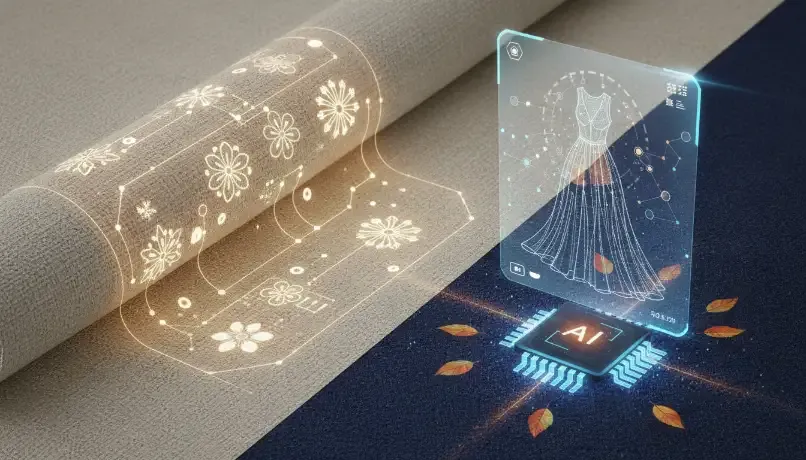
5. Use Technology
Use tools like:
- Fabric visualization
- Virtual try-on
This improves understanding further.
Key Insights
- Clear fabric details increase trust
- Better visuals reduce hesitation
- More options improve engagement
- Educated buyers convert faster
Conclusion
Fabric variants are not just an option—they are a conversion tool.
When customers clearly understand fabric:
- They trust the product
- They feel confident
- They act faster
In fashion e-commerce:
Better presentation = Higher add-to-cart rate