Introduction
Creating multiple designs from a single fabric used to take days of manual work.
Today, Textile AI can do it in minutes.
Designers, manufacturers, and brands are using AI to:
- generate new ideas
- reduce sampling time
- create product-ready visuals
This helps them move faster and stay competitive.
What Is Textile AI?
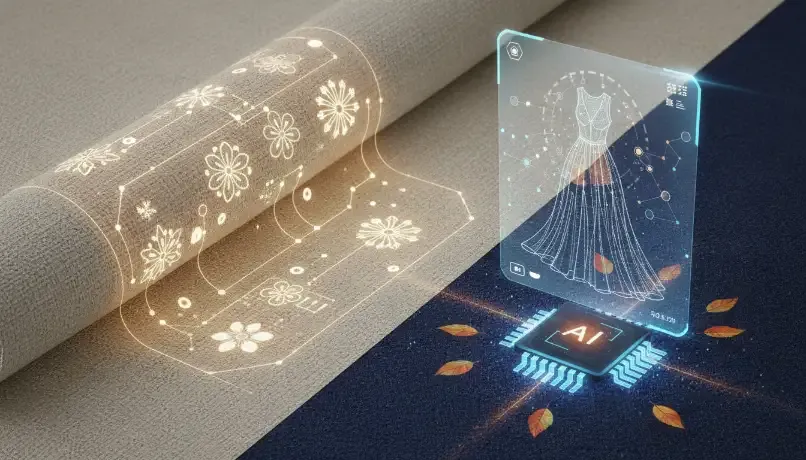
Textile AI uses machine learning and computer vision to analyze and transform fabric designs.
It can:
- extract patterns
- generate variations
- simulate fabric behavior
- apply designs to products
This allows you to turn one fabric into multiple creative outputs.
Why Textile AI Is Powerful
From a single fabric, AI can create:
- Multiple design variations
- New color combinations
- Different pattern styles
- Garment mockups
- Product visualizations
This means one idea can become a full collection.
Step-by-Step: How to Use Textile AI
Step 1: Upload Fabric Image
Start with a clear fabric image.
Best practices:
- Good lighting
- Flat surface
- No shadows or wrinkles
Better input = better output.
Step 2: Pattern Extraction
AI cleans and extracts the base pattern.
It:
- Removes distortions
- Fixes lighting issues
- Creates seamless repeats
This becomes your core design file.
Step 3: Generate Design Variations
AI creates multiple versions automatically.
You can generate:
- Different colorways
- Pattern layouts
- Minimal or dense designs
- Modern or traditional styles
This helps you build multiple concepts quickly.
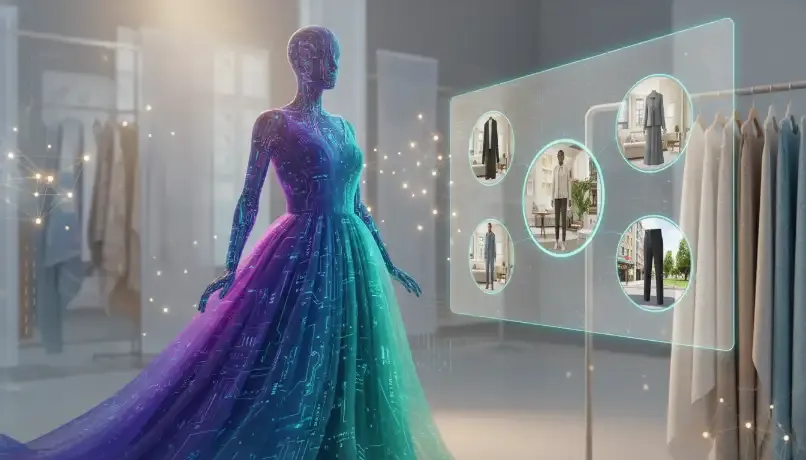
Step 4: Apply to Products
AI shows how the fabric looks on real products:
- Dresses
- Kurtis
- Shirts
- Sarees
- Home decor
This helps you decide the best use of each design.
Step 5: Fabric Simulation
AI simulates real fabric behavior:
- Drape
- Flow
- Texture
- Light reflection
This improves realism and reduces sampling needs.
Step 6: Export Designs
Export ready-to-use files:
- Print-ready patterns
- Garment visuals
- Catalog images
Use them for:
- Production
- E-commerce
- Client presentations
How One Fabric Becomes Multiple Ideas
1. Color Variations
AI generates multiple color options:
- Pastel
- Bold
- Monochrome
- Seasonal
This helps target different markets.
2. Pattern Changes
AI can:
- Resize motifs
- Rearrange layouts
- Create new repeats
Same design → completely new look.
3. Style Transformations
Convert designs into:
- Modern styles
- Traditional patterns
- Abstract or geometric versions
This expands your design range instantly.
4. Garment Applications
Apply one fabric to multiple categories:
- Ethnic wear
- Western wear
- Kidswear
Helps choose the best product fit.
5. Home Decor Adaptation
Use the same design for:
- Curtains
- Bedsheets
- Cushions
This increases product range without new designs.
Key Benefits of Textile AI
Faster Development
Create designs in minutes instead of days.
Lower Costs
Reduce sampling, printing, and manual work.
More Creativity
Generate unlimited variations from one idea.
Better Presentations
Show realistic visuals to clients and buyers.
Sustainable Production
Less waste, fewer samples, smarter decisions.
Why It Matters Today
The textile industry is moving fast.
Brands need:
- quick design cycles
- better visuals
- faster approvals
Textile AI helps achieve all three.
Frequently Asked Questions (FAQ)
1. Can Textile AI replace designers?
No. It supports designers by automating repetitive work.
2. Does it reduce costs?
Yes. It reduces sampling, errors, and production delays.
3. Can it improve creativity?
Yes. It generates multiple design ideas instantly.
4. Is it useful for manufacturers?
Yes. It improves workflow, accuracy, and speed.
5. Does it support sustainability?
Yes. It reduces waste and unnecessary production.
Conclusion
Textile AI is changing how fabric design works.
From a single fabric, you can:
- create multiple ideas
- build full collections
- visualize products instantly
It helps designers and manufacturers work faster, reduce costs, and stay ahead.