Introduction
What if your customers could try your clothes without going to your shop, without touching the fabric, and without wearing anything at all?
The textile industry is now moving into a smart digital world. Today, people want to see how a cloth or outfit will look on their own body before they buy it. They do not want to guess the fit or imagine the design. They want a clear and real preview. Because of this, many textile businesses are choosing Virtual Try-On technology.
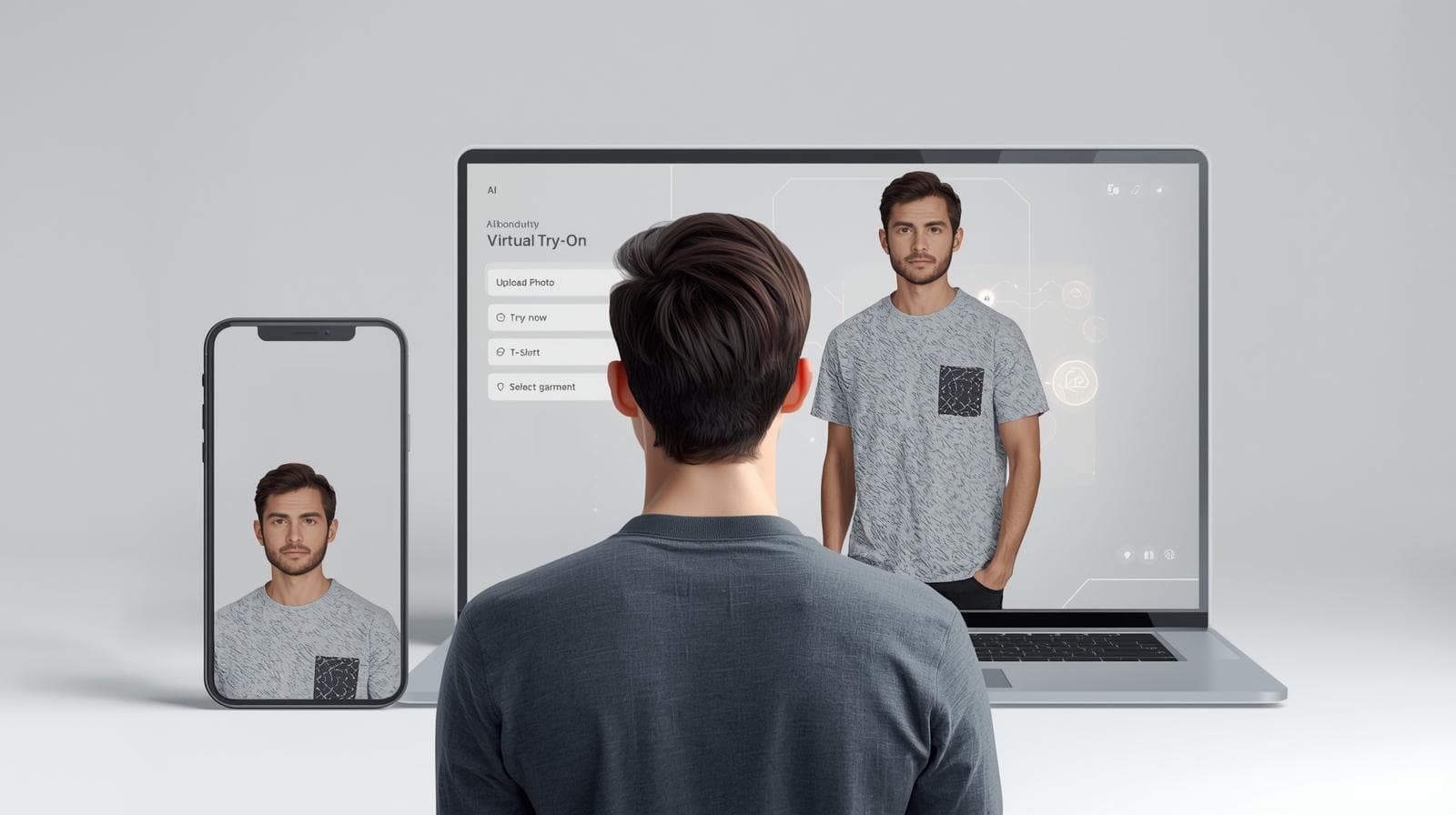
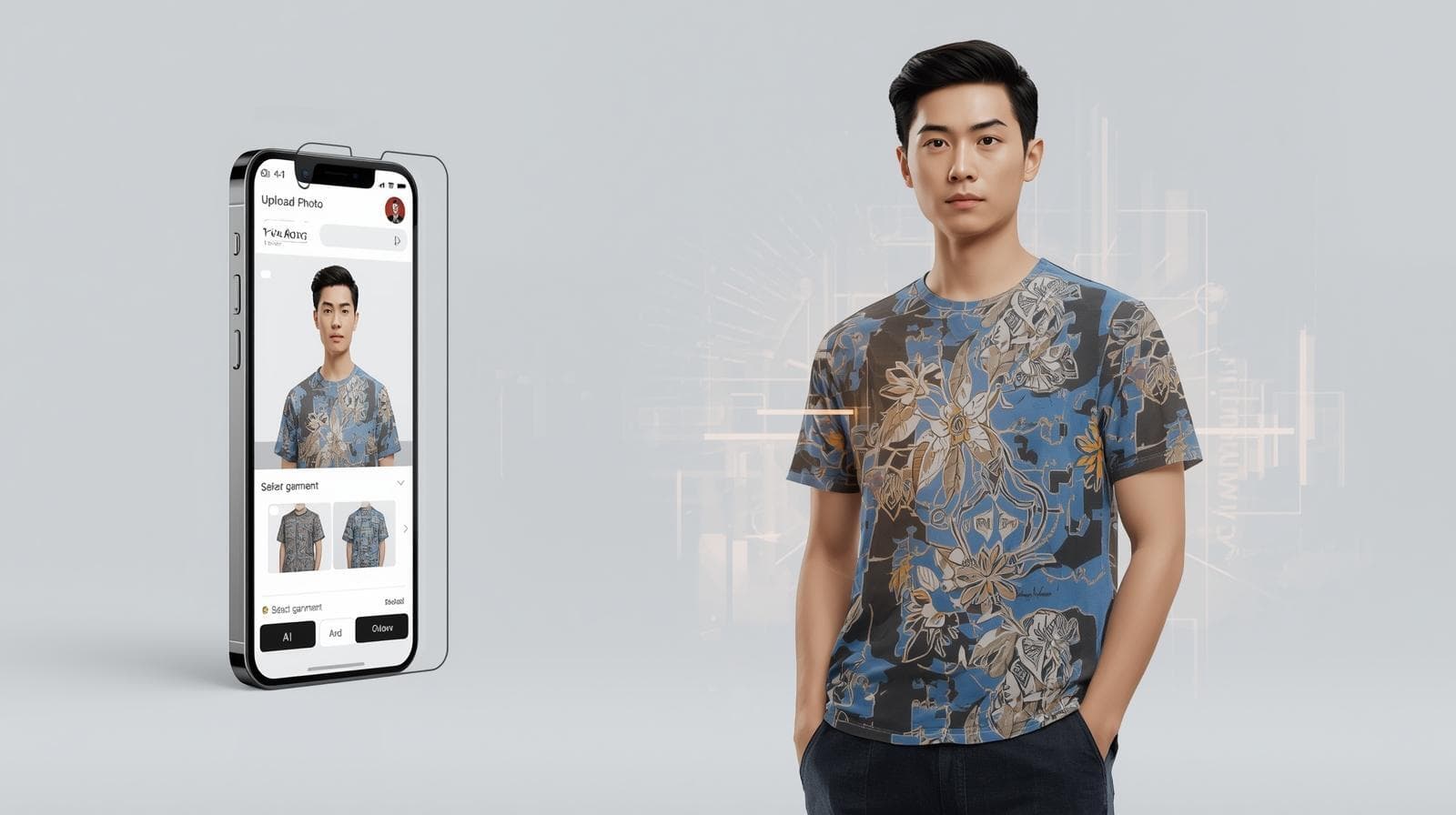
Virtual try-on allows anyone to upload a photo or use their phone camera to check how a shirt, dress, saree, kurti, or any fabric design will look on them. This makes shopping easier, faster, and more trusted. It also helps businesses reduce returns and show more designs without stitching samples.
This new idea was strongly imagined by Aniket Kachhadiya, who wanted to help the textile world move toward modern, digital selling. With the support of Tameta Tech, his idea is now becoming a real tool that helps manufacturers, designers, and e-commerce stores give their customers a better shopping experience.
Virtual try-on is not just a trend. It is the future of buying and selling clothes in the textile industry.
What is Virtual Try-On in the Textile Industry?
Imagine showing your customers how your clothes will look on them, even when they are sitting at home. No trial room. No samples. Just one photo and instant results.
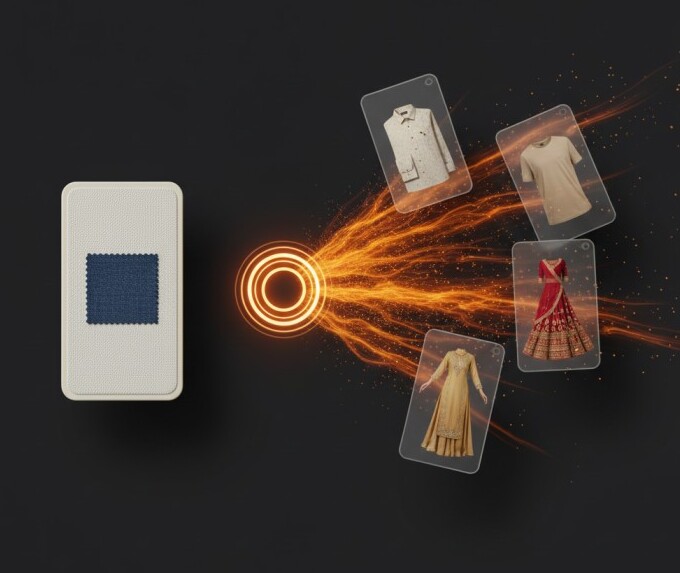
The textile industry is changing fast, and Virtual Try-On (VTO) is now becoming one of the most powerful tools for manufacturers, designers, and e-commerce businesses. Virtual try-on uses AI technology to place digital clothes on a person’s photo or live camera. This means customers can see how a dress, saree, shirt, kurti, or any outfit looks on their own body without wearing it in real life.
This makes shopping easier, smarter, and more trusted. And for you as a textile business owner, it helps you sell more designs with less effort.
Simple Explanation of Virtual Try-On
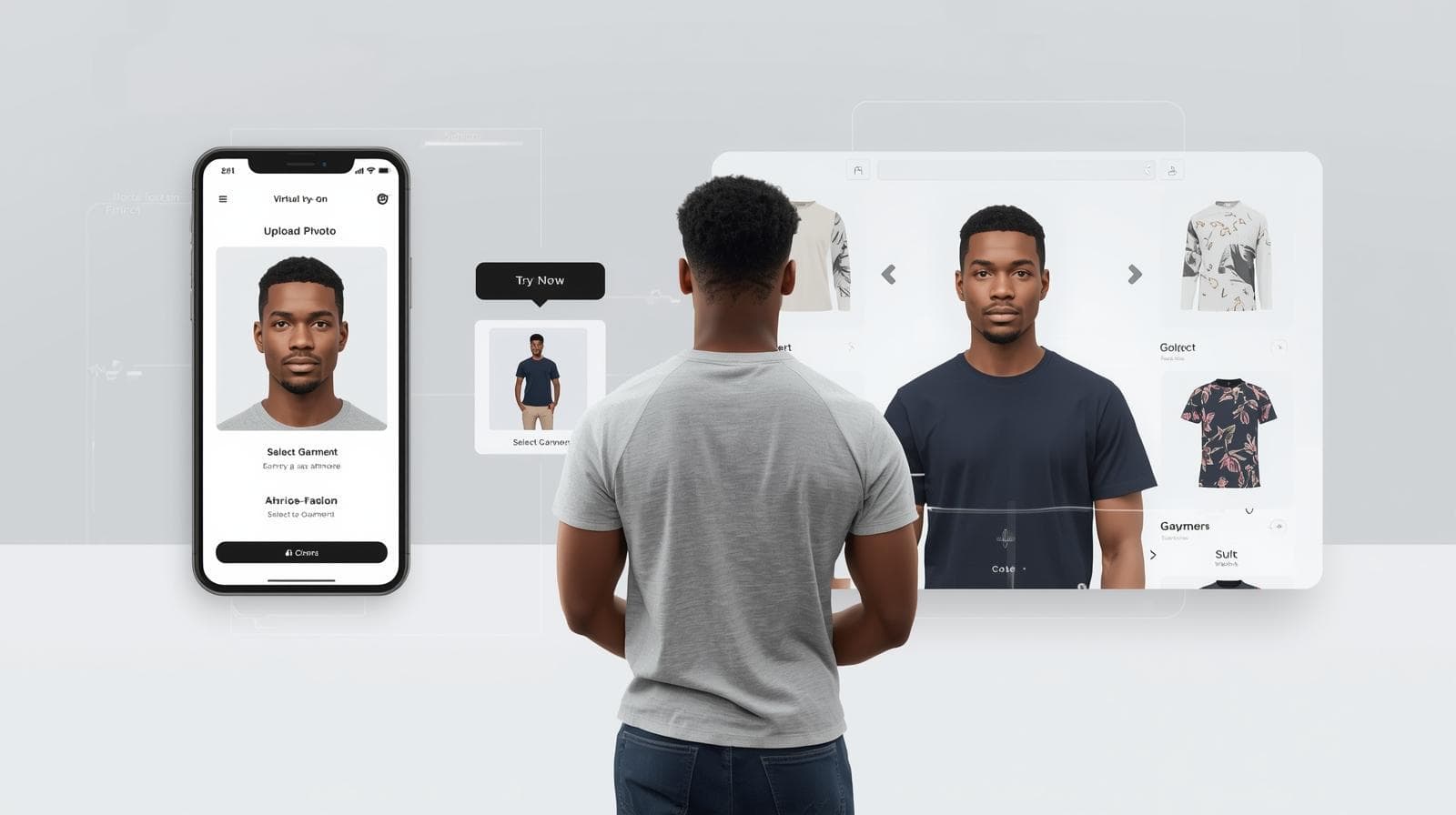
Virtual try-on is a digital system where a customer:
-
Uploads their photo
-
Selects a garment or fabric
-
Instantly sees how the cloth will look on them
The system does not guess. It uses smart AI to understand the body shape, size, and position, and then fits the cloth perfectly on the person’s image.
So instead of stitching samples, showing thousands of fabrics, or asking customers to imagine the design, you can show the final look in seconds.
Why Virtual Try-On Is So Important Today
People shop differently now.
More online.
Less time.
More choices.
More confusion.
According to Statista, over 72% of online shoppers want a virtual try-on option to feel more confident before buying clothes.
(Reference: Statista Fashion E-commerce User Study 2023)
Also, McKinsey reports that virtual try-on tools can reduce product returns by up to 40%.
(Reference: McKinsey Digital Fashion Report)
This means if you use VTO in your textile business, you can:
• Increase trust
• Reduce returns
• Sell more designs
• Make your business look modern and professional
How Virtual Try-On Works in the Textile Industry (Complete Guide)
Virtual try-on has become one of the most important technologies in the textile and fashion world. It allows customers to see how garments look on their own body without physically trying anything. This saves time, reduces confusion, and helps textile businesses sell more with less effort.
Below is a complete, simple, and powerful breakdown of how virtual try-on works, why it matters, and how businesses can use it.
How Virtual Try-On Works (Simple Breakdown)
Virtual try-on uses a combination of artificial intelligence, computer vision, and fabric simulation to create a digital preview that looks real. Here is how each part works in simple language:
1. Body and Face Detection
The system first identifies the person in the image. It recognizes the head, shoulders, chest, arms, and overall body shape.
This helps the software understand where the clothes should be placed.
2. Cloth Segmentation
The AI separates the clothing from the background. This step helps keep edges clean so the garment looks natural on the body.
3. Fabric Draping Simulation
This is one of the most important parts.
The AI studies how real fabric behaves—how it bends, folds, stretches, and flows.
Then it applies the same natural movement to the digital garment.
4. Texture Mapping
Your fabric design is applied to the garment shape.
Every color, print, and pattern is placed exactly where it should be.
This creates a realistic textile appearance.
5. AI-Powered Fitting and Resizing
The garment is resized automatically based on the person's body shape.
This makes the cloth look like it is worn naturally instead of looking flat or fake.
6. Real-Time Rendering
Within seconds, the system shows the final output.
Customers don’t need to wait—they see the results instantly.
7. Optional 3D Body Model
Advanced systems can create a full 3D model of the user, allowing 360-degree try-on.
This gives a more immersive experience.
Why Your Textile Business Should Use Virtual Try-On
Virtual try-on is not just a feature; it is a business growth tool. Here are the biggest advantages:
1. Sell Without Physical Samples
You can display 1000+ designs without stitching extra pieces.
This saves time, fabric, and money.
2. Higher Orders and Better Conversions
When customers see how the outfit looks on them, they buy faster.
No guessing. No confusion.
3. Better Customer Experience
A smooth and smart shopping experience encourages repeat orders.
Happy customers always return.
4. Stand Out From Competitors
Most businesses still use old-style catalog images.
If you use virtual try-on, you instantly become more modern and trusted.
5. Perfect for E-Commerce & D2C Brands
Online buyers want clarity, not confusion.
Virtual try-on increases trust and reduces hesitation.
Tip
Always upload high-quality fabric images.
Better fabric photos = better virtual try-on quality.
Note
You don’t need expensive machines.
Most VTO systems only need a clear fabric photo and a clear customer photo.
Remember
The clearer the customer’s photo, the more realistic the try-on result.
Quote
“Virtual try-on is not just a tool. It is the new way customers connect with fashion.”
Why VTO Helps You Take Action Today
If you want to grow your textile business, increase trust, and offer a modern shopping experience, virtual try-on is one of the strongest tools you can adopt right now.
It helps you:
• Save time
• Reduce cost
• Sell more designs
• Build a digital-first brand
Virtual try-on is not the future.
It is the present.
And it is changing the textile industry forever.
Why Virtual Try-On is Game-Changing for the Textile Industry
The textile business depends on visuals—color, design, fit, and drape.
But online shopping removes the ability to touch and try.
This gap creates doubt.
Virtual try-on solves the biggest question customers always ask:
“How will this look on me?”
Major Benefits of VTO
• Higher conversion rates
• Fewer product returns
• Better customer satisfaction
• Personalized shopping experience
• Strong brand engagement
• Better fabric visualization for designers
• Faster decision-making for B2B buyers
• Real-time testing without stitching samples
• Better online experience across web and mobile
How Virtual Try-On Works in Textile (Step-by-Step)
Here is the complete workflow:
-
User uploads a photo or uses the camera
-
AI detects body shape and pose
-
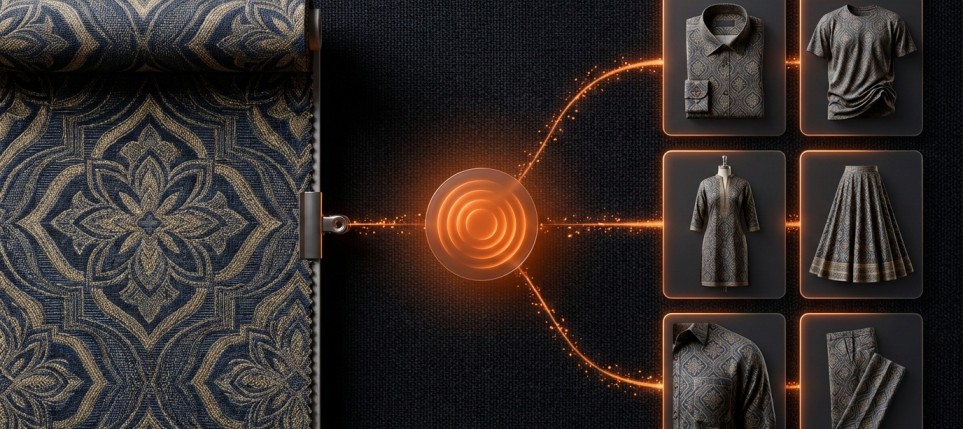
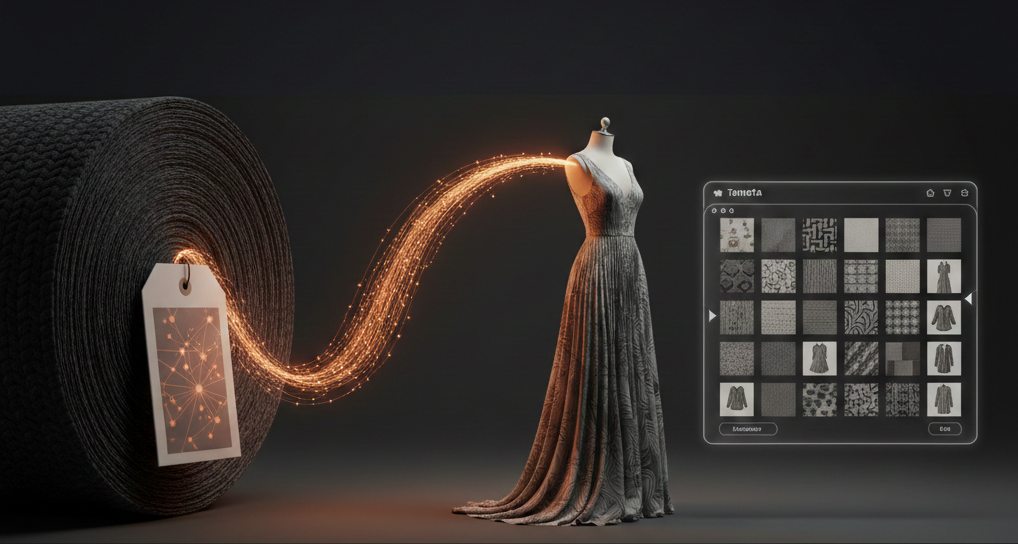
System extracts fabric texture
-
The garment is digitally created using the fabric
-
Cloth is draped according to the body
-
Final realistic preview appears instantly
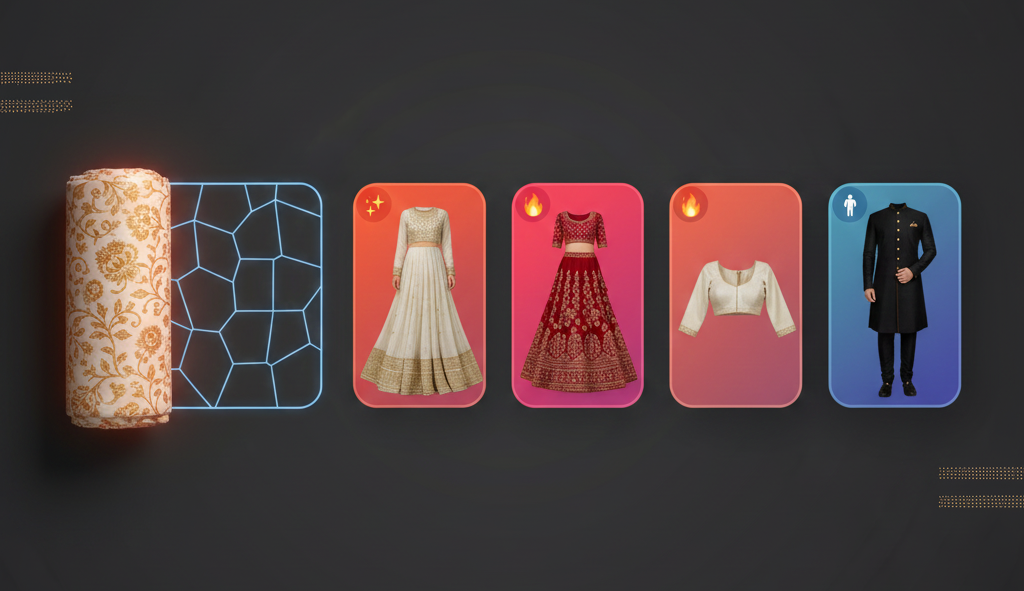
This process works for sarees, kurtis, gowns, shirts, t-shirts, lehengas, and more—without wearing anything in real life.
The Vision of Aniket Kachhadiya in Virtual Try-On Innovation
Every major innovation begins with a strong idea.
The virtual try-on concept for this project started with Aniket Kachhadiya, who identified three major problems in the textile industry:
-
Customers struggle to visualize clothing online
-
Fabric sellers cannot display unlimited designs
-
Tailors and designers waste time making samples
His thinking focused on simplicity, accuracy, and scalability—creating a virtual try-on engine made for Indian textile businesses and global markets.
How Tameta Tech Helps Build the Virtual Try-On System
Tameta Tech played a key role in converting Aniket’s idea into a real digital solution.
Their team provided:
• Technical architecture
• Backend development
• Frontend UI/UX
• AI model integration
• Cloud setup
• Optimization for accuracy
• Scalable system deployment
They ensured smooth performance across:
• Web
• Android
• iOS
• E-commerce stores
• Wholesale platforms
• Brand websites
Together, this partnership created a future-ready virtual try-on system.
Why Textile Businesses Need Virtual Try-On Today
The textile industry in India and globally has become extremely competitive. Customers no longer want to imagine how a garment will look on them—they expect quick, smart, and accurate digital previews. With online shopping growing faster than ever, physical trials alone are no longer enough. Modern buyers want convenience, speed, and clarity before making a decision.
Virtual try-on (VTO) solves these new expectations by showing customers exactly how a garment will look on their body, even without touching or wearing it. This gives them confidence, reduces confusion, and helps them buy faster.
Who Benefits the Most From Virtual Try-On?
Virtual try-on is useful for every part of the textile industry, including:
Retail Fashion Brands
Show your entire collection digitally and let customers try outfits anytime, anywhere.
Textile Manufacturers
Turn fabric photos into instant garment previews for buyers and wholesalers.
Boutique Designers
Present custom designs without stitching samples, saving both time and cost.
Fabric Resellers
Help customers visualize how fabrics will look when stitched into final outfits.
Tailoring Units
Offer digital previews before stitching, reducing measurement errors and rework.
Online Clothing Stores
Increase trust, boost conversions, and reduce return rates with real-looking try-on previews.
E-Commerce Platforms
Stand out from competitors by offering an advanced, modern, AI-powered shopping experience.
D2C Startups
Build a strong brand presence with technology-driven product displays.
Wholesale Garment Sellers
Show thousands of styles to retailers without carrying huge physical inventory.
Why Virtual Try-On Is Essential Today
Virtual try-on helps textile businesses:
• Display unlimited designs
• Sell without physical samples
• Save time and fabric cost
• Improve customer trust
• Increase conversions
• Reduce product returns
• Strengthen brand identity
• Offer a modern digital experience
With VTO, businesses can grow faster and reach customers who expect clarity before purchase.
Virtual try-on is no longer just a premium feature—it is becoming a must-have technology for anyone who wants to stay relevant in today’s digital textile market.
Conclusion
Virtual try-on is changing the way customers shop and the way textile businesses sell. It removes confusion, builds trust, and gives buyers a clear view of how garments will look on their bodies. For textile manufacturers, designers, retailers, and e-commerce brands, this technology is more than just an upgrade it is a complete business advantage.
With the vision introduced by Aniket Kachhadiya and the technical strength provided by Tameta Tech, virtual try-on is becoming a powerful tool for the textile world. It helps businesses display unlimited designs, reduce stitching costs, increase online conversions, and offer a modern, digital shopping experience.
In a time when customers expect smart and simple shopping, virtual try-on is not the future it is the present. Businesses that adopt it today will lead tomorrow’s textile and fashion market.