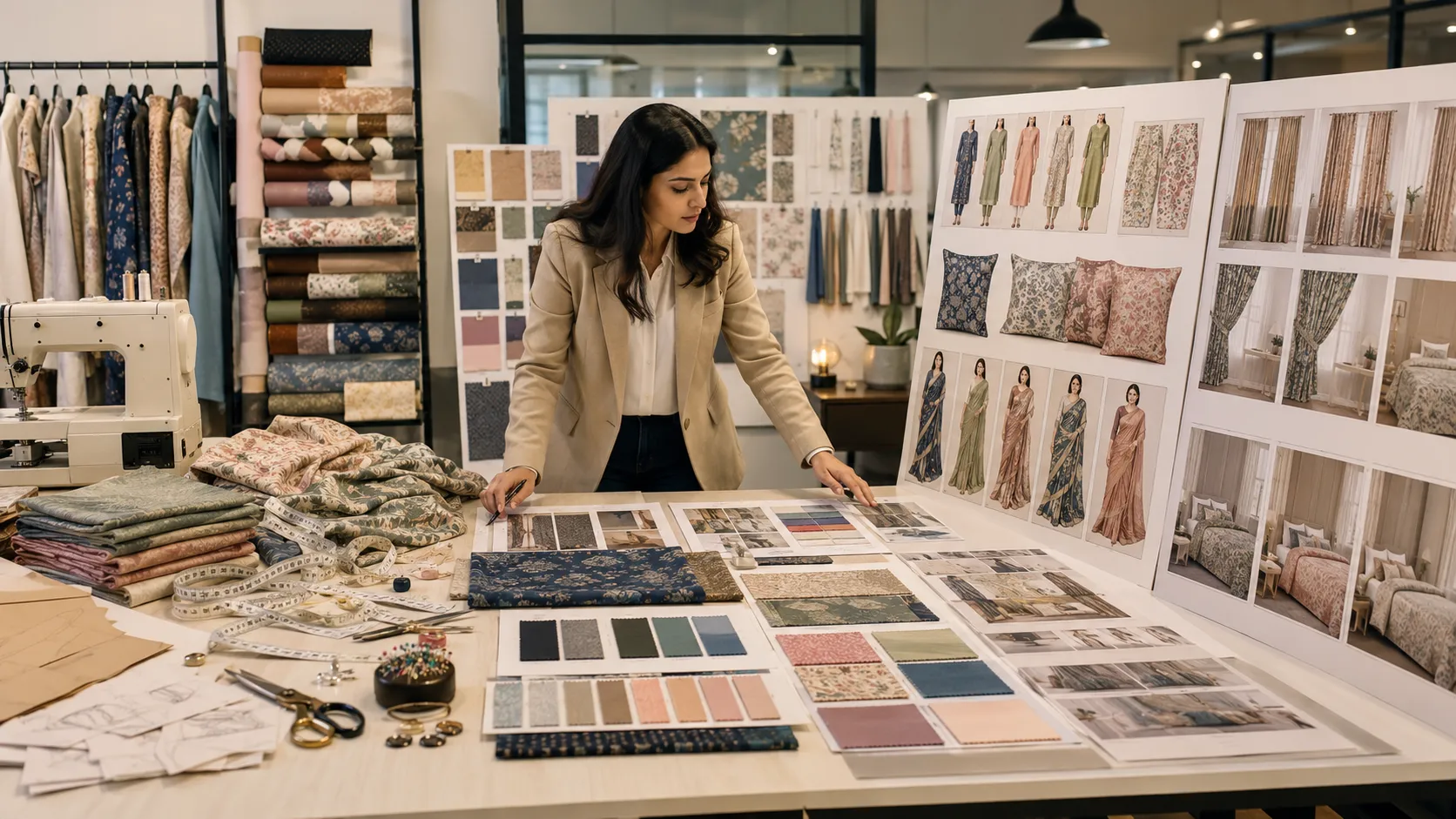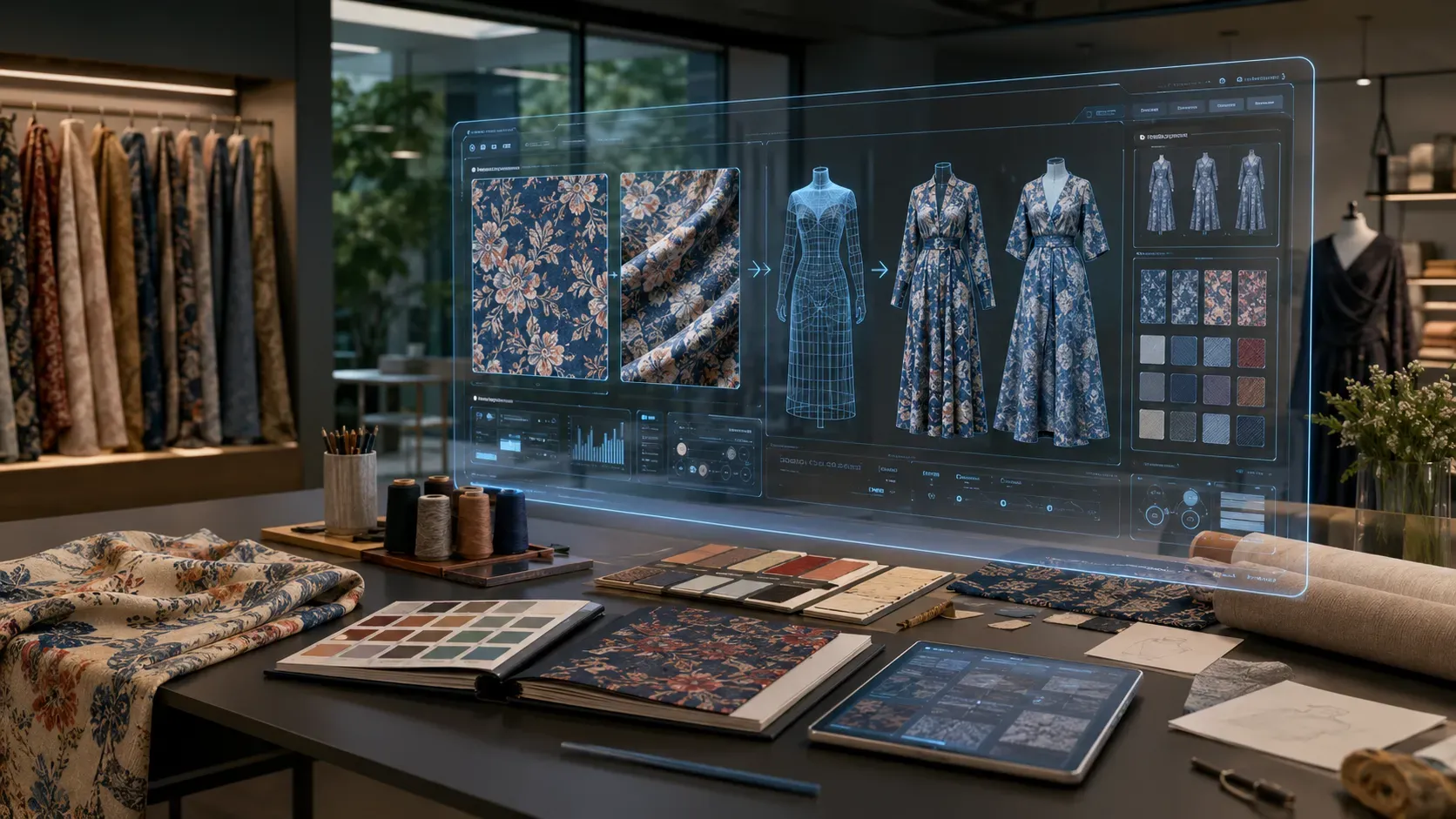
The textile industry is changing faster than ever. What once took days or weeks can now be done in minutes with artificial intelligence.
From fabric design to garment visualization, from virtual try-on to catalog generation, AI is becoming one of the most powerful tools for fashion brands, textile manufacturers, designers, boutiques, and online sellers.
In 2026, AI is no longer just a future idea. It is already helping textile businesses save time, reduce costs, create better visuals, and launch products faster.
The Textile AI is built for this new generation of fashion and textile workflows.
Website:
https://www.thetextileai.com/
Why AI Matters in the Textile Industry
The textile industry has always depended on creativity, production speed, sampling, photography, and buyer presentation.
But traditional workflows can be slow.
A designer may create a sketch. Then the brand needs a fabric sample. After that, they need to test colors, create garment samples, arrange photography, edit images, build catalogs, and finally present the product to customers.
This process takes a lot of time and money.
AI helps make this process faster and smarter.
Instead of doing every step manually, textile businesses can now use AI tools to:
- Generate textile designs
- Visualize fabrics
- Create garment mockups
- Build fashion catalogs
- Produce marketing content
- Test color variants
- Create product visuals faster
“AI does not replace textile creativity. It helps creativity move faster from idea to final product.”
How AI is Changing Textile Design
Textile design is one of the biggest areas where AI is making an impact.
Earlier, designers had to manually create patterns, motifs, repeats, and color variations. This required skill, time, and multiple revisions.
Now, AI can help generate textile patterns, convert sketches into designs, create seamless repeats, and test multiple design directions quickly.
For example, a designer can start with a simple motif or reference image and use AI to create a more polished textile pattern.
This helps designers create more options in less time.
Important AI Design Use Cases
AI can help textile designers with:
- Sketch to embroidery conversion
- Seamless pattern creation
- Fabric design generation
- Color variant creation
- Motif development
- Pattern testing
- Digital textile visualization
You can explore tools like Sketch to Embroidery, Seamless Pattern AI, and Design to Fabric on The Textile AI platform.
AI for Fabric Visualization
One major challenge in the textile industry is showing how a fabric will look in real life.
A flat fabric image does not always show the final beauty of the design. Buyers often want to know how the fabric will look when used in a product or garment.
AI helps solve this problem.
With fabric visualization tools, textile businesses can apply designs to realistic fabric textures, simulate material appearance, and create better product previews.
This is useful for:
- Fabric manufacturers
- Textile exporters
- Fashion designers
- Boutiques
- Online fabric sellers
- Garment brands
Instead of showing only a flat design, businesses can show fabric in a more realistic and professional way.
Remember: Better fabric visuals can help buyers understand the product faster and make decisions with more confidence.
From Fabric to Garment with AI
One of the most useful AI workflows in 2026 is fabric to garment conversion.
This means you can upload a fabric design and see how it may look as a finished garment.
For example, your fabric can be visualized as:
- Dress
- Kurti
- Gown
- Top
- Shirt
- Ethnic wear
- Western wear
- Product mockup
This is very helpful before production begins.
Instead of stitching every sample physically, brands can first test garment visuals digitally.
Fabric to Garment tool:
https://www.thetextileai.com/ai-tool/fabric-to-garment
Fabric to Product tool:
https://www.thetextileai.com/dashboard/fabric-to-product
Why Fabric to Garment AI is Useful
Fabric to garment AI saves time during the early design and presentation stage.
Traditionally, if a textile seller wanted to show how a fabric would look as a dress, they needed to make a physical sample first.
That means:
- Cutting fabric
- Stitching the sample
- Arranging a model
- Doing a photoshoot
- Editing images
- Showing the final result
AI makes this much faster.
You can upload the fabric, choose the product direction, and generate a realistic visual.
Tip: Use AI garment previews before physical sampling. This helps you shortlist the best designs before spending money on production.
AI and Virtual Try-On
Virtual try-on is another major shift in fashion and textiles.
With virtual try-on technology, garments can be shown on AI models or digital models. This helps customers understand how clothing may look when worn.
For online fashion sellers, this is very important.
Customers cannot touch or try clothes physically when shopping online. They depend on product images.
AI virtual try-on helps brands create more realistic and useful visuals.
It can help with:
- Model-based product previews
- Online fashion selling
- E-commerce product pages
- Social media content
- Customer visualization
- Digital fitting experiences
Virtual try-on is especially useful for fashion brands that want to show garments quickly without arranging a full photoshoot every time.
AI Fashion Photoshoots
Traditional fashion photoshoots are expensive.
You need:
- Studio
- Photographer
- Model
- Makeup team
- Lighting setup
- Styling
- Editing
- Time
For small brands and textile sellers, this can be costly.
AI fashion photoshoot tools help create studio-quality fashion visuals without arranging a full physical shoot.
A brand can use AI to create:
- Editorial-style images
- Catalog images
- Campaign visuals
- Model-based product photos
- Website banners
- Lookbook images
This is useful for:
- Product launches
- Social media campaigns
- Website banners
- Fashion catalogs
- Lookbooks
- Seasonal promotions
“AI fashion photoshoots help brands create premium visuals without waiting for a studio schedule.”
AI Catalog Generation
Catalogs are very important in fashion and textile selling.
A professional catalog helps buyers understand products, compare designs, and make faster decisions.
But manual catalog creation takes time.
You need product images, model images, layout, editing, background consistency, and design work.
AI catalog generation makes this process easier.
It can help create consistent product visuals and support faster catalog building for print or digital use.
This is especially useful for brands that launch new collections regularly.
Instead of spending weeks preparing catalog images, businesses can use AI to speed up the visual creation process.
AI Color Variants
Color variants are very important in textile and fashion.
A buyer may want to see the same design in many different colors before making a decision.
Traditionally, creating colorways manually takes time.
AI can generate multiple color variants from one design quickly.
This helps designers and sellers present more choices to clients.
For example, one fabric design can be shown in:
- Pastel shades
- Dark shades
- Festive colors
- Seasonal colors
- Brand-specific colors
- Client-requested colorways
This gives textile businesses more flexibility.
Remember: More color options can help clients choose faster and increase the chance of approval.
AI for Fashion Marketing
AI is not only useful for design and production. It is also useful for marketing.
Fashion brands need strong visuals for Instagram, websites, ads, banners, product pages, and campaigns.
AI tools can help create:
- Campaign banners
- Product images
- Catalog visuals
- Social media posts
- Fashion photoshoot images
- Product showcase videos
- Website hero images
This helps brands stay active online without spending too much time on manual content creation.
In 2026, fashion marketing is becoming more visual, faster, and more automated.
AI helps brands keep up.
How AI Helps Textile Manufacturers
Textile manufacturers can use AI to present their fabric collections better.
Instead of only sending flat fabric images to buyers, they can show the fabric as product mockups, garment visuals, catalog images, and design previews.
This makes presentations more attractive and professional.
AI can help manufacturers with:
- Fabric visualization
- Buyer presentations
- Digital sampling
- Design testing
- Product mockups
- Catalog preparation
- Collection planning
This can reduce back-and-forth communication and help buyers understand the fabric’s potential faster.
How AI Helps Fashion Designers
Fashion designers can use AI as a creative assistant.
It can help them test ideas, create patterns, visualize garments, explore colors, and prepare presentations.
This does not remove the designer’s creativity.
Instead, it helps designers move faster.
A designer can test more ideas in less time and choose the best direction before production.
Tip: AI is best used as a creative partner. The designer still controls the vision, style, and final decision.
How AI Helps Boutiques and Online Sellers
Boutiques and online sellers often need quick product visuals.
They may not have big budgets for photoshoots, professional editing, or sample production.
AI helps them create better visuals at lower cost.
A boutique can upload fabric and show customers how it may look after stitching.
An online seller can create product mockups for websites and social media.
A small fashion brand can create catalog-style images without a full studio setup.
This makes AI very useful for small and growing businesses.
AI and Faster Product Launches
Speed is very important in fashion.
Trends change quickly. If a brand is too slow, it may miss the right selling moment.
AI helps brands launch faster by reducing time in design testing, sampling, photography, editing, and catalog creation.
The workflow becomes much faster:
- Create or upload design
- Visualize fabric
- Convert fabric into garment
- Generate model images
- Create catalog visuals
- Prepare marketing content
- Launch online
This speed can give textile businesses a strong advantage.
“In fashion, speed matters. AI helps brands move from idea to market faster.”
Will AI Replace Textile Designers?
Many people worry that AI will replace designers.
But in reality, AI works best when humans guide it.
AI can generate ideas, create visuals, and speed up repetitive work. But the final creativity, brand direction, customer understanding, and design taste still come from humans.
Textile designers will still be important.
The difference is that designers who use AI may work faster and produce more options than those who do everything manually.
AI is not the end of textile design. It is the beginning of a faster design workflow.
The Future of AI in Textile Industry
In 2026 and beyond, AI will become a normal part of textile and fashion businesses.
More brands will use AI for:
- Digital sampling
- Fabric-to-garment visualization
- Virtual photoshoots
- Catalog generation
- Trend-based design
- AI models
- Color variants
- Product videos
- E-commerce visuals
The textile industry is moving toward faster, smarter, and more digital workflows.
Businesses that adopt AI early can save time, reduce costs, and present products better.
Those who ignore AI may find it harder to compete with faster brands.
Why The Textile AI is Built for This Future
The Textile AI is created specifically for textile and fashion use cases.
It is not a general AI tool. It focuses on design, fabric, garments, models, photoshoots, catalogs, banners, videos, color variants, and product mockups.
This makes it useful for the complete fashion workflow.
You can use The Textile AI for:
- Sketch to Embroidery
- Seamless Pattern AI
- Design to Fabric
- Fabric to Garment
- Virtual Try-On
- Advanced Fabric
- Fashion Photoshoot
- Catalog Generation
- Banner Generator
- Video Studio
- Color Variant
- Image Upscale
- Fabric to Product