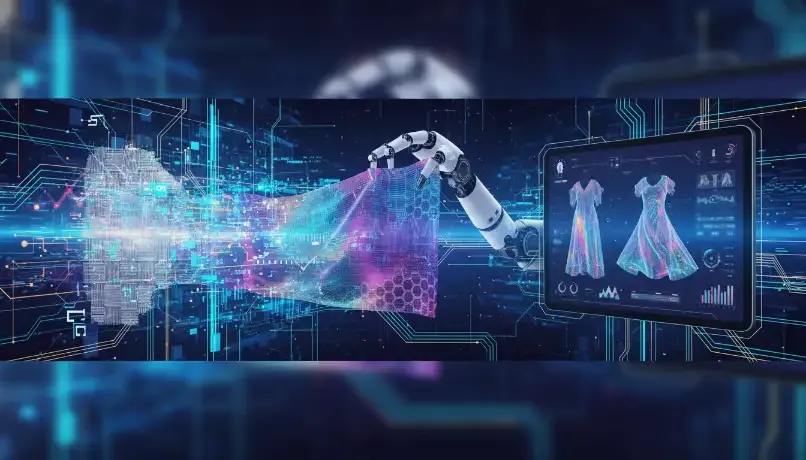
Imagine a world where your computer dreams up a perfect shirt, a machine sews it in seconds, and it fits your body perfectly without you ever trying it on.
This is not a story from a science fiction book. This is the future of the textile industry, and it is happening right now. By the year 2026, the way we make, buy, and wear clothes will completely change. Computers are getting smarter. Machines are getting faster. Designs are getting bolder.
If you love clothes, want to start a clothing brand, or just like learning about cool new things, you are in the right place. In this post, we will explore the amazing world of textile technology. We will show you how these changes help you and how you can join the fun. Let us dive into the future of fashion together.
The Big Shift in the Textile Industry
The textile industry is one of the oldest businesses in the world. For thousands of years, people have spun thread, woven fabric, and sewn clothes by hand. It was hard work. It took a lot of time.
Today, things are very different. We are moving into an age of smart machines and fast computers. This shift is important because it makes clothes better, cheaper, and safer for our planet.
What to Expect by 2026
By 2026, textile trends show that everything will be connected. Your computer will talk to the factory machines. The factory machines will know exactly how much fabric to cut. Nothing will go to waste.
According to a report by Grand View Research, the global smart textiles market size is expected to reach over 5 billion dollars by 2025 and keep growing fast into 2026. This means more money and more smart brains are working to make your clothes better.
Here is what you will see more of:
- Computers helping humans draw new patterns.
- Machines doing the heavy lifting in factories.
- Printers that put color directly onto fabric without wasting water.
- Clothes that can track your health.
To understand all these new trends, you can always visit the main page at https://www.thetextileai.com to see how technology is changing the game.
Why Change is Good for You
You might wonder why you should care about these changes. The answer is simple. These changes give you power.
In the past, only big companies could design and make clothes. They had large factories and lots of money. Now, because of new fashion technology, you can be a designer from your own bedroom. You do not need a big factory. You just need a computer and an idea.
Quote: "Technology is not just changing how clothes are made; it is changing who gets to make them. The future of fashion belongs to everyone."
Artificial Intelligence: The Brain Behind Modern Textile Design
Artificial Intelligence, or AI, is a term we hear a lot. But what does it mean for clothes? In simple words, AI is a computer that can think and learn like a human. When we talk about AI in fashion, we mean computers that help us create amazing outfits.
How AI is Changing Textile Design
Textile design used to take days or even weeks. A person had to sit down, draw on paper, pick colors, and test the fabric. Now, AI can do this in seconds.
You can type a simple sentence into a computer. You might say, "Make a pattern with red roses and blue lines." The AI will instantly show you hundreds of different pictures. You can pick your favorite one. This makes creating beautiful fabrics very easy.
If you want to try making your own designs right now, you can explore the https://www.thetextileai.com/ai-tool to see how fast it works. You do not need to be a great artist. The AI does the hard work for you.
Tip: When using AI to design, use clear words. Tell the AI the exact colors and shapes you want. The better your words, the better your design will be.
Virtual Try-On and Personalization
Have you ever bought a shirt online, but it did not fit right when it arrived? This is a very common problem. It is frustrating for you, and it is bad for the earth when we have to mail clothes back and forth.
By 2026, AI will solve this problem with "Virtual Try-On" technology. This means you can see exactly how a piece of clothing will look on your body before you buy it. The computer uses a picture of you and puts the digital clothes on your picture. It checks your size and your shape.
This tool is amazing for people who want to sell clothes, too. You can show your customers how the clothes fit without making a physical sample. You can test this magic yourself by visiting https://www.thetextileai.com/ai-tool/virtual-try-on. It saves time and makes shopping much more fun.
AI in Fashion and Trend Forecasting
AI does not just draw pictures; it also predicts the future. We call this "trend forecasting."
Computers can look at millions of pictures on the internet. They look at what people are wearing in Paris, Tokyo, and New York. They read what people are saying on social media. Then, the computer tells designers what colors and styles will be popular next year.
This means when 2026 arrives, clothing brands will already know exactly what you want to wear. They will not waste fabric making clothes nobody wants to buy. This is a huge win for textile manufacturing because it stops waste before it even starts.
To read more stories about how AI is changing the world of style, you can read the articles at https://www.thetextileai.com/blogs. There is always something new to learn.
Automation and New Textile Machinery
While AI is the brain of the future, automation and new machines are the muscles. Automation means using machines to do jobs that humans used to do by hand. In the textile industry, this is making a massive difference.
Robots in Textile Manufacturing
Think about a clothing factory. In the past, hundreds of people sat at sewing machines all day. It was tiring and sometimes dangerous. Now, robots are stepping in to help.
New textile machinery can do incredible things. A robot arm can pick up a soft piece of fabric, fold it, and sew it together perfectly. Robots never get tired. They never make a mistake because they lost focus. Every single shirt they make is exactly the same as the last one.
This does not mean humans lose their jobs. It means human jobs change. Instead of doing the hard, repetitive work, humans now get to control the robots. They fix the robots, tell them what to do, and design the clothes.
Note: Machines working alongside humans are often called "cobots" (collaborative robots). They keep workers safe from dangerous tasks like cutting thick materials.
Speed and Safety on the Factory Floor
Because of automation, textile manufacturing is faster than ever. What used to take a month can now take a few days.
This speed helps when there is a sudden change in what people want. If a famous singer wears a new type of hat on television, a factory can program their machines to make that hat the very next day.
Safety is also a big deal. Textile mills used to be noisy, dusty, and dangerous. New machines are enclosed and quiet. They have sensors that stop the machine if a human hand gets too close. Making clothes in 2026 will be one of the safest manufacturing jobs in the world.
Digital Printing: Colors of the Future
Let us talk about color. How do clothes get those bright, beautiful patterns? For a long time, factories used a method called screen printing. Screen printing is okay, but it uses a lot of water and a lot of harsh chemicals.
By 2026, a new trend called digital printing will take over.
How Digital Printing Works
Digital printing is exactly like the printer you might have at home, but much, much bigger. Instead of feeding paper into the machine, you feed large rolls of fabric.
A computer tells the printer exactly where to put tiny drops of ink. Because it is controlled by a computer, the digital printing process can create pictures that look like real photographs. You can print a picture of your dog onto a t-shirt, and it will look perfect.
You can see examples of beautiful digitally designed creations in the https://www.thetextileai.com/gallery. The colors are bright, sharp, and very clear.
Saving Water and Helping the Earth
The best part about digital printing is how it helps the environment. Traditional fabric dyeing is actually one of the biggest polluters of clean water in the world. The World Wildlife Fund (WWF) states that it takes huge amounts of water to dye cotton.
Digital printing changes this. It uses very little water. The ink goes only where it is needed. There are no large vats of leftover dye to throw away.
Remember: When you choose digitally printed fabrics, you are helping to save thousands of gallons of clean drinking water. It is a small choice that makes a huge impact on our earth.
Smart Textiles and Smart Fabrics
Now we get to one of the most exciting textile trends for 2026: smart fabrics. For a long time, clothes only had one job. They kept us warm and covered our bodies. In the future, clothes will do much more.
Clothes That Think and Feel
What are smart textiles? They are fabrics that have technology built right into them. Imagine threads that are actually tiny wires. Imagine buttons that are actually small computers.
Smart fabrics can feel the world around them. For example, there are jackets that know when it is cold outside. The jacket will automatically turn on tiny heaters inside the fabric to keep you warm. When you walk indoors where it is warm, the jacket turns the heaters off.
Some smart textiles can change color. If you are out in the bright sun, a shirt might turn lighter to keep you cool. If you are walking at night, the fabric might glow in the dark to keep you safe from cars.
Health and Fitness Tracking
The most important use for smart textiles is keeping us healthy. Right now, many people wear smartwatches on their wrists to count their steps or check their heart rates. By 2026, you will not need a watch. Your shirt will do it for you.
Special sensors woven into your workout clothes will track how fast you run, how hard your heart beats, and how much you sweat. The shirt will send this information to an app on your phone.
Doctors are very excited about this textile technology. They can give special pajamas to sick patients or newborn babies. The pajamas will quietly monitor the patient's breathing all night. If something goes wrong, the smart fabric will alert the doctor immediately.
Fashion Technology and Creating Catalogs
If you have great ideas for clothes, fashion technology in 2026 makes it easy to show them to the world. You do not need to hire expensive models or rent a photography studio anymore.
Building Your Brand with AI
Let us say you designed a beautiful new line of dresses. You need pictures of these dresses to sell them. AI tools can create a complete digital catalog for you.
The computer can generate pictures of digital models wearing your dresses. You can choose models of all different sizes, shapes, and skin colors. This helps your customers see how the dress will look on someone who looks just like them.
Creating a professional lookbook is just a few clicks away. You can easily build your own collection using the https://www.thetextileai.com/ai-tool/catalog feature. It is fast, looks totally real, and saves you thousands of dollars.
From Fabric to Final Product
The journey of making a piece of clothing has many steps. It starts with a simple thread, becomes fabric, gets designed, and finally turns into a garment.
In 2026, AI helps connect all these steps. You can start with an idea for a fabric pattern. Once the AI makes the pattern, you can use another tool to see what that fabric looks like as a shirt or a pair of pants.
You can map the whole process from start to finish. To see how a flat piece of material turns into a beautiful dress or shirt, check out https://www.thetextileai.com/ai-tool/fabric-to-garment. It shows you the magical transformation step by step.
For an even bigger picture of how raw materials become final goods ready for the store, you can explore the process at https://www.thetextileai.com/fabric-to-product. Technology bridges the gap between imagination and reality.
How to Get Started with Textile Technology Today
You do not have to wait until 2026 to start using these amazing tools. You can start today. Whether you are a student, an artist, or someone who wants to start a business, the doors are wide open.
Using AI Tools for Your Ideas
The first step is to simply try it out. You do not need to know how to code a computer. You just need to know how to type your ideas.
Here is a simple way to start:
- Think of a theme. Maybe "ocean waves" or "autumn leaves."
- Use an AI platform to type your theme.
- Watch as the computer creates a fabric design.
- Apply that design to a digital t-shirt.
If you are worried about the cost of using such powerful tools, do not be. There are plans for everyone, from beginners to big businesses. You can look at the options at https://www.thetextileai.com/pricing to find what fits your budget.
To save your designs and keep your work safe, you will need an account. It is very easy to set up. Just go to https://www.thetextileai.com/login and start your journey.
Learning and Growing Your Skills
Learning new things can sometimes feel scary. But there is a lot of help available. If you ever get stuck or want to know exactly how a tool works, you can read simple, step-by-step instructions.
The best place to learn how to use these textile tools is by reading the official guides at https://www.thetextileai.com/docs. They explain everything in easy words so you can become an expert in no time.
Tip: Take your time. Try making one small design a day. Before you know it, you will understand how AI and fashion work perfectly together.
Celebrating Special Events with AI
Fashion is a big part of how we celebrate holidays and special events. We wear special clothes for birthdays, weddings, and holidays. By 2026, AI will help us make these events even more special with custom outfits.
Valentine's Day and Custom Fashion
Think about Valentine's Day. It is a day to celebrate love. Instead of buying a plain red shirt from a store, AI allows you to create something totally unique for the person you love.
You can design a fabric that has your initials, or a pattern of the place where you first met. You can find amazing ideas for special occasions by visiting the events page at https://www.thetextileai.com/event.
For Valentine's Day specifically, there are tools designed just to help you make romantic and beautiful gifts. You can see these special features at https://www.thetextileai.com/event/valentine.
Many couples love to wear outfits that match or look good together. AI can design two shirts that complement each other perfectly. You can even watch a fun video about how to create these lovely paired outfits at https://www.thetextileai.com/watch/valentine/matching-outfits. It is a fun and creative way to show someone you care.
The Future of Textile Trends
As we look toward 2026 and beyond, the textile industry will keep changing. The blend of computers, robots, and smart fabrics will unlock things we cannot even imagine yet.
What Will 2030 Look Like?
If 2026 is about AI and automation, what comes next? Experts believe that by the year 2030, our clothes might be completely self-cleaning. We might not need washing machines anymore! Fabrics might be made from entirely recycled materials, like old plastic bottles or even food waste, helping our planet become totally green.
We might also see 3D printed clothes become popular. Instead of weaving threads, a machine will simply print a shirt from top to bottom, perfectly shaped to your body.
Whatever happens, one thing is certain: textile technology will make fashion more accessible, more creative, and much friendlier to our earth.
The Environment and Sustainable Manufacturing
We must talk about the earth. The old ways of textile manufacturing were very hard on nature. Mountains of unused fabric were thrown into the garbage. Toxic dyes flowed into rivers.
The biggest trend for 2026 is sustainability. This big word simply means making things in a way that does not hurt the planet. AI and automation are the heroes in this story.
Zero Waste Cutting
When a factory cuts fabric to make a shirt, there are usually little pieces left over. These pieces end up in the trash. AI can fix this.
A computer can look at a large sheet of fabric and figure out exactly how to arrange the patterns like a giant jigsaw puzzle. It fits the pieces so close together that almost no fabric is wasted. This zero-waste method saves money and saves the environment.
On-Demand Production
In the past, stores would guess what people wanted to buy. They would make 10,000 blue sweaters. If people only bought 5,000, the rest went to the dump.
By 2026, we will see "on-demand" production. This means a shirt is only made after you buy it online. Because automated textile machinery is so fast, the factory can sew your shirt and mail it to you in just a day or two. There are no extra sweaters left over. The earth stays a little bit cleaner.
Expanding Your Horizons: Global Textile Technology
The changes in the textile industry are happening all over the world. From big cities in Asia to small towns in Europe and America, technology connects everyone.
Working Together Across the Ocean
Because design is now digital, a person in New York can design a fabric using AI. They can send that digital file instantly to an automated factory in India. The factory uses digital printing to create the fabric and robots to sew it. The final item is shipped globally.
This global teamwork means ideas spread faster. If a new textile trend starts in one country, the rest of the world can see it and wear it in just a few days.
Supporting Small Businesses
We talked about how you can create your own brand. This technology is creating a boom in small businesses. Stay-at-home parents, young students, and creative artists are all opening their own online clothing stores.
They use AI for the designs, they use digital catalogs to show their products, and they use on-demand factories to make the clothes. They never have to buy large warehouses or spend millions of dollars. The playing field is level. Anyone with a good idea can succeed.
Preparing Yourself for 2026
If you find all of this exciting, you might be asking: "How do I get ready for the future?" The answer is education and practice.
Keep Learning
You do not need to go to a four-year college to learn about fashion technology. The internet is full of free information. Read articles, watch videos, and follow the news about smart textiles and AI.
Pay attention to what the big brands are doing. Brands like Nike and Adidas are already experimenting with smart fabrics and automated factories. By watching them, you can see what the future holds.
Embrace the AI Tools
Do not be afraid of artificial intelligence. It is not here to replace human creativity; it is here to boost it. AI is like a magical paintbrush. It still needs a human to hold it and decide what to paint.
Play around with different platforms. Sign up, log in, and test your ideas. Try generating a weird and wild fabric pattern just for fun. See how the virtual try-on works with your favorite colors. The more you use these tools, the more natural they will feel.
Conclusion
The year 2026 is just around the corner. The textile industry is moving faster than ever before. We are leaving behind the old days of slow, wasteful, and dangerous manufacturing. We are entering a bright new era of AI, automation, and digital design.
From smart fabrics that watch over your heart to robots that sew with perfect precision, textile technology is making our clothes smarter, safer, and better for the planet. Digital printing is saving our water, and AI in fashion is allowing anyone with a computer to become a master designer.
Whether you want to launch the next big clothing brand, or you just want to design a special matching outfit for Valentine's Day, the power is now in your hands. The tools are ready and waiting for you.
We hope this deep dive into textile trends has inspired you. The future of fashion is not just about what you will wear; it is about what you will create. Step into the future today, explore the amazing digital tools available to you, and start bringing your imagination to life. The digital runway is waiting for you!