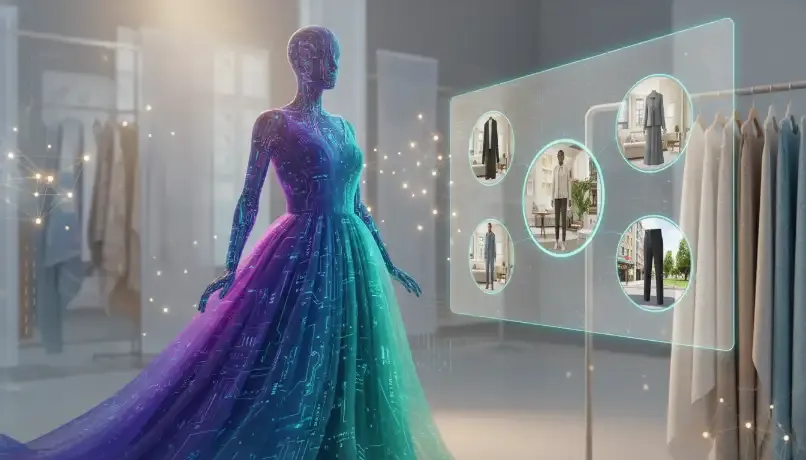
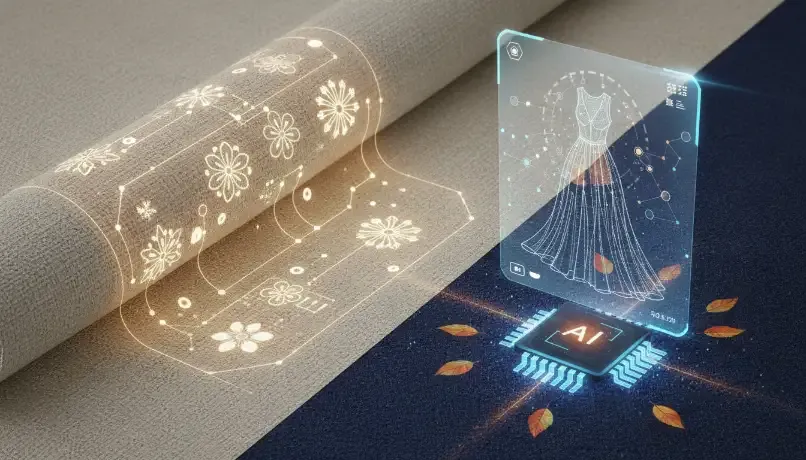
Artificial Intelligence is rapidly changing how fashion is designed, presented, and sold. What once required physical sampling, photoshoots, and long production cycles can now be done digitally in minutes.
AI fashion allows designers, manufacturers, and sellers to visualize garments before production begins. From generating designs to creating model images and catalogs, AI tools are making fashion workflows faster, more efficient, and less expensive.
What Is AI Fashion
AI fashion refers to the use of artificial intelligence to create and visualize fashion products digitally.
Instead of relying only on physical processes, AI enables users to:
- preview garments before stitching
- test multiple styles instantly
- reduce production mistakes
- make faster design decisions
In simple terms, AI fashion helps turn ideas into visual outputs before investing in production.
What Is Textile AI Platform
Textile AI is a fashion-focused AI platform that converts fabric or product images into complete visual outputs.
Using a single image, the platform can generate:
- garment designs
- model-based visuals
- catalog images
- short promotional videos
It is designed specifically for fashion workflows, making it easier for businesses to move from concept to presentation without physical effort.
Who Can Use AI Fashion Tools
AI fashion platforms are useful across the entire textile and apparel industry.
Common users include:
- fashion designers
- boutique owners
- textile manufacturers
- export businesses
- ecommerce sellers
- direct-to-consumer brands
These tools help users design, present, and validate products faster.
How AI Fashion Works (Step-by-Step)
1. Upload Fabric or Product Image
Users start by uploading a clear image of fabric or an existing product. The system analyzes texture, pattern, and color.
2. Select Garment Style
The next step is choosing the output style such as:
- dress
- saree
- kurti
- shirt
- western wear
3. Generate AI Outputs
Once the style is selected, the system creates:
- garment designs
- model visuals
- catalog-ready images
- short videos
All outputs are generated within minutes.
Key Features of AI Fashion Platforms
Fabric to Garment Visualization
This feature allows users to see how a fabric will look when converted into a finished garment.
Benefits:
- preview designs before stitching
- test multiple styles
- avoid incorrect production decisions
AI-Based Fashion Design
AI simplifies the design process by allowing users to experiment with different styles digitally.
This helps:
- reduce manual effort
- improve design speed
- compare multiple options easily
AI Fashion Models
AI-generated models eliminate the need for traditional photoshoots.
Advantages include:
- no model hiring
- no studio setup
- faster output generation
- consistent visual quality
These models help brands create professional product visuals quickly.
Catalog Generation
AI can create complete fashion catalogs using a single fabric input.
Catalog outputs include:
- multiple garment styles
- consistent branding
- model-based visuals
This reduces the need for manual catalog design and photography.
AI Fashion Videos
Short videos are generated to showcase:
- garment movement
- fabric flow
- product details
These videos are useful for ecommerce and social media marketing.
Why AI Fashion Is Important for Businesses
Traditional fashion workflows involve:
- sampling costs
- photoshoot expenses
- long approval cycles
AI helps reduce these challenges by enabling digital-first processes.
Key benefits:
- faster decision-making
- reduced production cost
- improved product visualization
- quicker time-to-market
Use Cases in Real Fashion Workflows
For Designers
- test multiple ideas before finalizing
- reduce design time
- improve creativity
For Manufacturers
- show samples digitally to buyers
- reduce physical sample production
- speed up approvals
For Ecommerce Sellers
- create product images quickly
- showcase multiple styles
- improve product presentation
Impact on Small Businesses
AI fashion tools are especially useful for small and growing businesses.
They help:
- reduce dependency on large budgets
- create professional visuals
- test products before investing
For example, a boutique owner can generate designs and share them online before stitching the garment.
AI Fashion in Growing Markets
In countries like India, AI adoption in fashion is increasing due to:
- rising digital commerce
- high sampling costs
- growing export demand
AI platforms support these markets by enabling faster and more cost-effective workflows.
Common Mistakes to Avoid
To get the best results from AI fashion tools:
- avoid uploading low-quality images
- test multiple design variations
- use both images and videos for presentation
Small improvements in input can significantly improve output quality.
Why Fashion-Specific AI Platforms Perform Better
General AI tools are not optimized for fashion workflows.
Fashion-focused platforms perform better because they:
- understand fabric textures
- maintain design consistency
- generate realistic outputs
- require minimal user input
This leads to more reliable and production-ready results.
Future of AI in Fashion
AI is becoming a core part of the fashion industry.
Future developments may include:
- real-time customization
- automated production workflows
- advanced virtual try-ons
Businesses that adopt AI early will gain a strong competitive advantage.
Conclusion
AI fashion is transforming how garments are designed, visualized, and marketed. By enabling digital creation of designs, models, catalogs, and videos, AI platforms help businesses reduce costs, improve speed, and make better decisions.
For fashion professionals, adopting AI is no longer optional—it is becoming essential for staying competitive in a fast-moving industry.