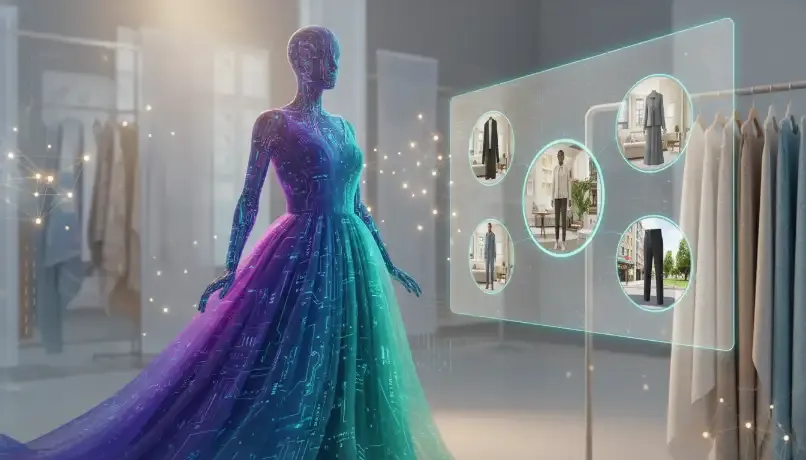
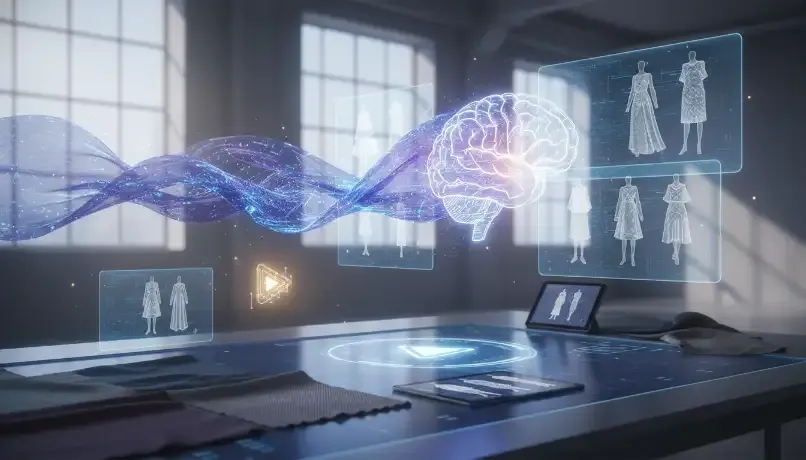
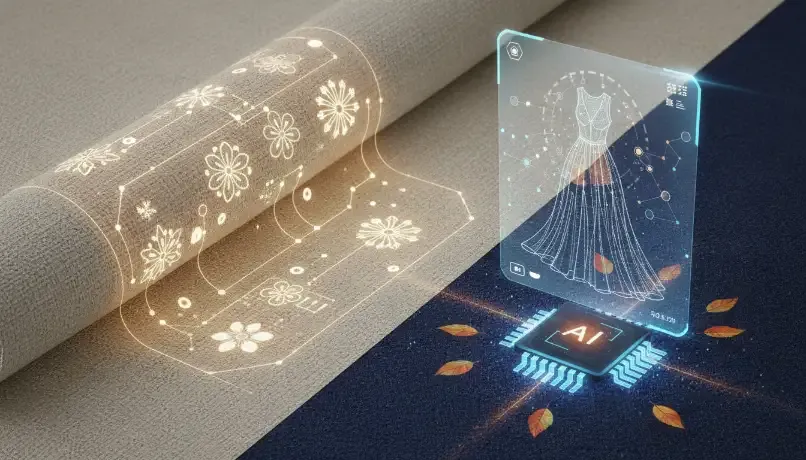
Imagine turning a roll of cloth into a ready-to-wear outfit using smart computer helpers that’s what Fabric to Garment AI does, and it can make fashion faster, cheaper, and easier for you.
Introduction What this blog will teach you
This blog will explain, in very simple words, what Fabric to Garment AI is. You will learn how Fabric to Garment AI helps fashion designers, small brands, and big stores. You will also learn how Fabric to Garment AI can help you save money, make better pictures, and make clothes that fit people more often. I will share real numbers (statistics) and show where they come from. At the end, you will get clear steps you can do right away if you want to use Fabric to Garment AI for your brand or project.
(Note: The words you should watch for in this blog are: Fabric to Garment AI, Fashion AI, AI photoshoot, reduce photoshoot costs, fashion brand efficiency, AI design tool, garment visualization, virtual fashion photoshoot.)
What is Fabric to Garment AI? (Very simple)
Fabric to Garment AI means using smart computer programs to help turn a fabric idea into a finished piece of clothing. It can help in many steps:
-
The computer looks at the cloth pattern.
-
The computer shows how the cloth will look as a shirt, dress, or pants.
-
The computer makes a real-looking picture of the finished garment.
-
The computer helps change sizes and colors fast.
Think of Fabric to Garment AI like a very smart helper that works with designers. The helper can show you pictures, make designs, and help make those designs ready to sell.
(First use of the main keyword: Fabric to Garment AI.)
Why brands and designers care (very clear reasons)
Here are the simple reasons why people use Fabric to Garment AI:
-
It saves time. A computer can create many design pictures fast.
-
It saves money. The brand may not need a big photo shoot for every piece.
-
It helps customers. People can see how clothes will look without touching them.
-
It reduces waste. Brands make fewer physical samples they might throw away.
When brands use Fabric to Garment AI, they add speed and reduce costs. Big reports say using AI could add lots of profit to the fashion business. McKinsey says generative AI could add between $150 billion and $275 billion to the fashion industry in a few years.
How Fabric to Garment AI works (step by step, easy)
Here is what happens in simple steps:
-
Scan the fabric. The cloth is photographed or scanned.
-
Tell the AI the style. You pick a dress, shirt, or pants.
-
AI makes a 3D model. The computer builds a virtual version of the cloth on a body or mannequin.
-
AI creates photos. The computer makes real-looking pictures from different angles.
-
Change and choose. You can change color, pattern, and size quickly.
-
Prepare for sale. The images and data are used on websites and for marketing.
Because the computer can make many pictures without a studio, brands can reduce photoshoot costs and speed up the product launch.
Common uses (short, clear list)
People use Fabric to Garment AI for:
-
Designing new clothes quickly with an AI design tool.
-
Making product images for online stores without a big studio — this is called an AI photoshoot or virtual fashion photoshoot.
-
Trying clothes on digitally — this is garment visualization or virtual try-on.
-
Testing fits and sizes using digital bodies so fewer items are returned.
Real numbers that matter (statistics with sources)
It helps to see numbers. These facts show why Fabric to Garment AI is important:
-
Many online clothing purchases are returned. The average return rate for all ecommerce was about 16.9% in 2024, and clothing often has higher return rates. High return rates cost stores a lot of money. Reducing returns helps profit and helps the environment.
-
Virtual try-on and 3D visualization tools can raise sales and lower returns. Retailers using virtual try-on solutions often report large gains — for example, many report around a 20–40% lift in conversion or a major fall in returns after adding virtual try-on. These gains happen because customers feel more sure about how items look and fit.
-
The market for AI-generated fashion and virtual try-on is growing fast. One market study said the AI-generated fashion market was worth about $2.14 billion in 2024 and could grow much larger in the coming years. This shows many companies are starting to use tools like Fabric to Garment AI.
-
Virtual photoshoots can cut costs a lot. Some companies that sell virtual photoshoot and 3D imaging services say they can reduce photoshoot budgets by up to 70–90% for some use cases. This is one reason brands try AI photoshoot methods to reduce photoshoot costs.
(These numbers come from industry reports and company data. If you need the full reports, the links in the sources below will help.)
How Fabric to Garment AI helps you save money and reduce photoshoot costs
Here are the ways Fabric to Garment AI helps you save:
-
Fewer physical samples. You do not need many sample clothes for photos.
-
No big studios all the time. You can do an AI photoshoot with virtual models.
-
Faster images. You get product images in hours instead of days.
-
Lower travel and logistics. No need to ship many pieces to studios.
-
Less model cost. Virtual models can replace some or many real-model shoots.
Because of these reasons, brands say virtual photoshoots and digital images can reduce photoshoot costs by large amounts. When a brand uses Fabric to Garment AI and related tech, they improve fashion brand efficiency and often bring products to market faster.
How Fabric to Garment AI improves the shopping experience for customers
When you shop online, you want to be sure clothes will look good on you. Fabric to Garment AI helps in these ways:
-
It gives clearer pictures of how the fabric drapes on the body.
-
It can let you try clothes virtually. This is called garment visualization or a virtual fashion photoshoot for the customer.
-
It reduces surprises when the shoes or shirt arrive.
-
It helps people feel confident to buy online.
Because customers feel better when they can see more real pictures or try items virtually, they buy more. This improves sales for the brand and makes shopping better for you.
Tools and tech words explained simply
Here are some short explanations of the tech words you will read:
-
Fashion AI: Smart software used in fashion. It can design, predict trends, and make pictures.
-
AI design tool: A program that helps designers make new clothes with AI suggestions.
-
AI photoshoot: The use of AI to make product photos without a real camera studio or with fewer real photos.
-
Virtual fashion photoshoot: A full digital shoot with virtual models and backgrounds.
-
Garment visualization: Showing how a garment will look on a body using 3D or 2D images.
-
Fabric to Garment AI: (The main idea) Combining cloth scanning with AI to make real-looking finished garment images and data.
Real examples (short stories you can understand)
Example 1 A small brand:
-
A small brand has 20 new shirts.
-
They use Fabric to Garment AI to make images.
-
They do one small physical sample.
-
They create 200 pictures from the digital sample.
-
The brand spends much less money and sells faster.
Example 2 A big brand:
-
A big brand wants photos in many colors.
-
Using AI photoshoot the brand creates all color versions without new physical samples.
-
The marketing team launches faster and spends less.
Example 3 For you (if you are a maker):
-
If you sell on a small shop, use an AI design tool or a virtual photoshoot to try new styles.
-
You can upload fabric photos and get mockups quickly.
Step-by-step: How to start using Fabric to Garment AI (action steps)
If you want to try Fabric to Garment AI, here are easy steps:
-
Pick one item to test, like a t-shirt.
-
Photograph the fabric clearly (good light, flat, close-up).
-
Choose a tool: look for an AI design tool or a virtual photoshoot service. Many companies offer free trials.
-
Upload the fabric image to the tool and pick a garment style.
-
Make virtual images: check front, back, sides.
-
Ask for different sizes and colors and save the images.
-
Use the images on your website or for social media.
-
Measure results: see if your product page gets more clicks or fewer returns.
If you follow these steps, you can test Fabric to Garment AI without spending a lot.
Tips to get good results (simple and helpful)
-
Use clear photos of fabric.
-
Give the AI good instructions about the style.
-
Start small. Test one product first.
-
Keep original files for changes later.
-
Check images on a phone and a computer.
-
Use customer feedback to improve the virtual fit.
Common questions and short answers
Q: Will Fabric to Garment AI replace designers?
A: No. It helps designers work faster. People still make the final choices.
Q: Is virtual try-on perfect?
A: Not yet. But it keeps getting better. Many companies report big gains in sales and fewer returns when they use virtual try-on.
Q: Will customers trust AI pictures?
A: Yes, if the pictures are clear and realistic. Many shoppers buy more when they can see how clothes will look.
How Fabric to Garment AI fits into a brand plan (easy checklist)
If you run a brand, use this checklist:
-
Add Fabric to Garment AI to the design step.
-
Use AI photoshoot for product images when possible.
-
Use garment visualization on product pages for customers.
-
Track return rates and conversion after using virtual tools.
-
Keep both real and virtual photos for best results.
Following this will help your fashion brand efficiency and may help you reduce photoshoot costs as well.
Part 14 — Safety, ethics, and good choices (simple)
When using Fabric to Garment AI, remember:
-
Respect human models and their likeness. Don’t replace a person’s face or body without permission.
-
Check that the AI’s images are honest. Show real fabric and real fit when it matters.
-
Watch the environment. AI and big computing use energy. Try to use tools that are careful with energy and waste.
Short case: How returns and cost savings add up (clear math)
Imagine this easy example:
-
You sell 1,000 shirts online for $20 each.
-
At 20% return rate, 200 shirts come back. That costs money.
-
If a virtual try-on lowers returns to 14% (a 30% reduction in returns), then 140 shirts return only.
-
That is 60 fewer returns. This saves money in shipping, restock, and lost sales.
Many brands that use garment visualization and virtual fashion photoshoot tools see real drops in returns and better sales. That helps the brand earn more and waste less.
Part 16 — Future — What to expect next
In the near future, expect:
-
Better virtual models that show size and shape more honestly.
-
Faster tools that let you design and market in days.
-
More brands using Fabric to Garment AI to speed up work and lower cost.
-
More shoppers using virtual try-on to feel sure before buying.
Big reports say AI will bring major value to the fashion industry soon. That value includes faster creation, better product pictures, and smoother commerce.
Quick checklist for action (for you)
If you read this and want to start today, do these 5 things:
-
Take good photos of one fabric you like.
-
Try a free trial of an AI design tool or virtual try-on tool.
-
Make 5 virtual product images using Fabric to Garment AI.
-
Put the images on one product page.
-
Watch your clicks and returns for one month.
These steps are small and low risk. They will show you fast if Fabric to Garment AI helps your project.
Final thoughts (simple and kind)
Fabric to Garment AI is a helpful tool for designers and brands. It makes design faster, helps create better product pictures, and can reduce photoshoot costs a lot. It also helps customers shop with more confidence thanks to garment visualization and virtual fashion photoshoot tools.
If you try one small test now, you will learn fast whether it helps your work or brand. Start small. Learn fast. Then grow.