From Fabric to Runway: How Generative AI Designs Fashion
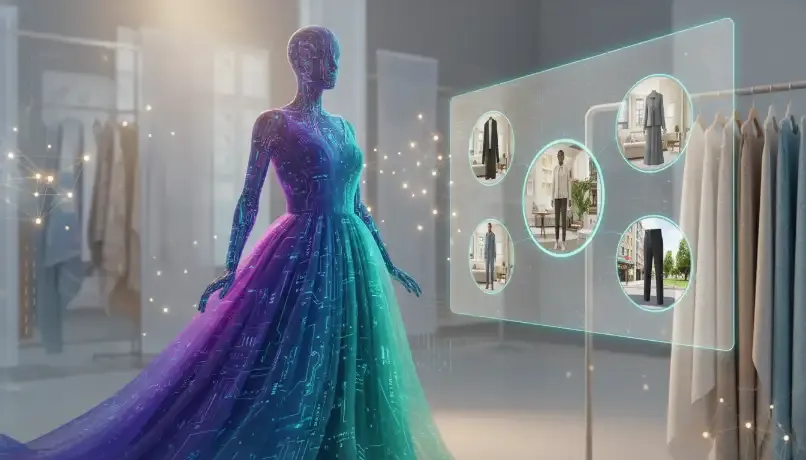
Fashion design in India is changing fast. Generative AI is now helping create new clothes and ideas, mixing tradition with technology. This article shows how AI fashion and fashion technology work together to bring fresh fashion trends. It guides you through AI tools, digital fashion, and clothing design that small businesses and store owners in India can use. You will learn simple ways to use fashion design software and find fashion inspiration to run your shop better.
How AI is Changing Fashion Design Today
Fashion is no longer just about cloth and sewing. In India, fashion design today includes smart tools like AI design to create clothes quickly and stylishly. This section explains how AI technology works in fashion, helping Indian designers and store managers understand the new ways to stay updated with fashion trends. It also covers how digital fashion is becoming popular in online shopping and clothing design.
1. What is Generative AI in Fashion?
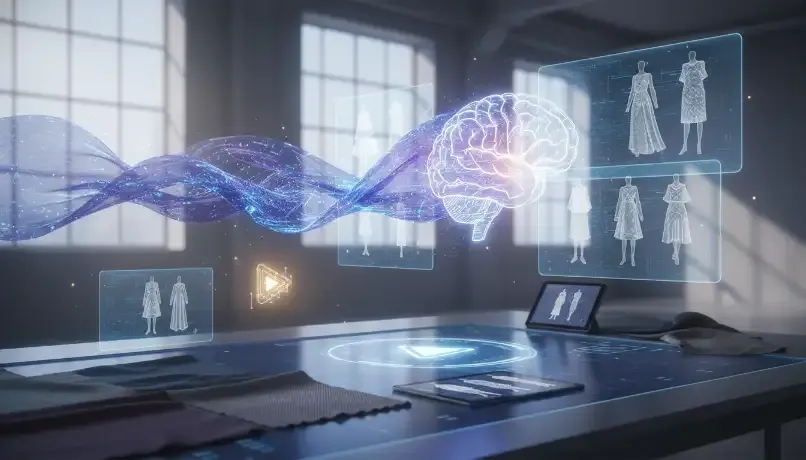
Generative AI means computers create new designs on their own using smart programs. These programs learn from many images and ideas to make fresh clothing styles. For Indian designers, this is like having a helper who thinks fast and suggests many ideas.
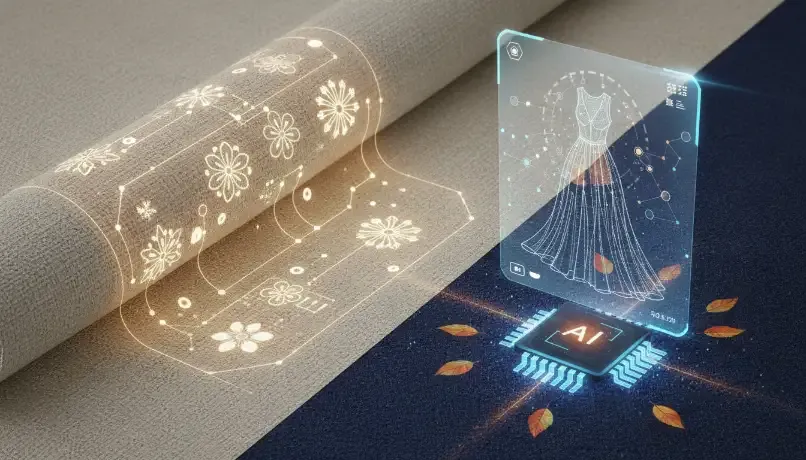
This technology can create prints, patterns, and styles that match current Indian festivals or traditional wear. It helps small shops offer unique clothes without spending too much time.
- Fashion Design : Generative AI helps create new fashion design ideas by learning popular Indian styles and trends, saving time on sketching and sampling.
- AI Fashion : AI fashion tools can analyze customer choices in markets like Mumbai and Chennai to suggest designs tailored to local tastes and festivals.
- Fashion Technology : Indian garment makers use fashion technology like AI design to speed up the making of textiles that blend modern and ethnic patterns.
Example: An Ahmedabad-based boutique used AI fashion design software to develop a Diwali collection combining contemporary cuts with traditional block prints. The AI generated over 50 custom designs in a week, helping the boutique stand out during festive sales. Online orders increased by 30% compared to the previous year (McKinsey India 2023).
Tip: Start small with user-friendly AI design tools to experiment with new fashion ideas before a big launch.
Note: Generative AI is not a replacement for designers but a helpful partner to speed up creativity.
Remember: Using AI helps you match local tastes by learning what your customers want.
Quote: "AI lets us blend tradition with new ideas in fashion design."
2. AI Fashion: Bringing Smart Changes to Old Patterns
AI fashion is not just about creating new designs but also improving old ones. In India, many small towns have unique handloom and embroidery styles that AI can help modernize.
By analyzing thousands of designs, AI can suggest how to update an older style to fit current fashion trends. This helps small businesses keep Indian crafts alive and sell clothing that looks both fresh and traditional.
- Fashion Inspiration : AI tools give Indian designers fresh fashion inspiration from global and local patterns to create mixed-style clothing.
- Fashion Design Software : Indian tailors and designers can use fashion design software with AI to convert hand sketches into digital fashion easily.
- Fashion Trends : AI also predicts future fashion trends based on social media and shopping data from Indian cities to keep stores ready for upcoming demands.
Example: A small clothing business in Lucknow used AI fashion design software to update chikankari embroidery patterns. The AI suggested color combinations and modern cuts, increasing sales during Eid season by 25% (India Brand Equity Foundation 2024).
Tip: Use AI to study and revive local crafts by adding trendy colors and shapes.
Note: Pair AI outputs with your knowledge of Indian fabrics to get the best results.
Remember: AI is a tool that works best when combined with your creativity.
Quote: "Bringing AI to age-old crafts keeps them alive and trendy."
3. Fashion Technology for Small Indian Businesses
Fashion technology is growing in Indian markets, especially for small shops and startups. It includes AI design, virtual fitting rooms, and online catalogs.
Using fashion technology helps you reduce waste by producing only what customers want. It also improves your store’s workflow, like managing orders with custom checkout flow and ecommerce integrations.
- Fashion Innovation : Fashion technology innovations help Indian small businesses track customer demands during festivals like Navratri and Diwali.
- AI Design : AI design tools guide new designers on fabric types and stitching methods popular in regional markets.
- Digital Fashion : Digital fashion platforms allow shops to showcase clothes online with 3D models that customers can view on phones, boosting online sales.
Example: A small apparel store in Jaipur integrated AI fashion software with their ecommerce site. They managed inventory better and used AI to design collections that matched Rajasthan’s colors, increasing net sales by 40% during festive seasons (RBI Consumer Reports 2023).
Tip: Use fashion technology to automate stock control and show new collections online.
Note: Investing in simple AI tools can save time and money.
Remember: Your customers appreciate timely new styles that reflect the festival spirit.
Quote: "Smart technology makes small shops compete with big brands."
4. Understanding Fashion Trends with AI
Fashion trends change quickly in India, with different styles popular in metros and small towns. AI helps track these changes by analyzing social media, online searches, and shopping habits.
This data-driven approach assists store managers in stocking what customers want before the festival or wedding season arrives. It also helps brands plan advertising for local languages and payment options like UPI and COD.
- Fashion Trends : AI tracks Indian fashion trends from cities and rural areas to suggest timely stocking plans.
- Fashion Inspiration : Trend analysis through AI gives inspiration for marketing campaigns targeting festivals like Holi and Pongal.
- AI Fashion : AI fashion models can predict color and fabric popularity ahead of the season for better business planning.
Example: A Bangalore retailer used an AI trend prediction tool to introduce a festive collection with colors and styles trending in South India. Using local language ads and COD option boosted sales by 35% (Brown Advisory 2023).
Tip: Regularly check AI trend reports to plan fashion ideas that fit regional festivals.
Note: Understanding your customer's local culture is key even with AI help.
Remember: Accurate trend prediction helps reduce unsold stock.
Quote: "Knowing what your customer wants leads to success in fashion."
5. Building Your Fashion Brand with AI Design
AI design is not just for creating clothes but also building a strong brand image. Indian fashion brands use AI to design their logos, packaging, and promotional materials that match their clothing style.
With digital fashion and AI tools, small businesses can create a consistent look for social media and ecommerce platforms. This builds trust and attracts customers who like modern yet familiar styles.
- Fashion Design : AI helps create brand-specific fashion designs that resonate with Indian cultural values.
- Digital Fashion : Using digital fashion lets brands showcase collections interactively, increasing engagement.
- Fashion Innovation : Innovation through AI design extends beyond clothing to improve customer experience in stores.
Example: A Chennai startup used AI design software to create a modern logo and packaging inspired by traditional Tamil motifs. This branding helped them grow followers on Instagram by 50%, leading to higher footfall during local market fairs (NASSCOM 2024).
Tip: Use AI to maintain your brand's look consistently across platforms.
Note: Good branding with AI design attracts loyal customers.
Remember: Your brand story matters as much as your clothes.
Quote: "Branding with AI builds customer trust and style."
Exploring Fashion Design Software and Its Impact in India
Fashion design software is making a strong mark in India’s clothing industry. Small tailors and designers can now create digital sketches from their ideas, cutting down time and errors. This section delves into popular software and their benefits for Indian fashion businesses, including easy ways to manage orders and online presence with ecommerce integrations.
1. Popular Fashion Design Software in India
Today’s fashion design software is easy to use even if you are new to computers. Many Indian designers use software that supports local languages and integrates with online marketplaces, helping you sell outside your town.
These software programs offer templates and tools such as virtual fabric cuts and color changes, which save costs in the sample-making process.
- Fashion Design : Popular software lets designers experiment with fabric and patterns digitally, matching India’s rich textile heritage.
- AI Design : Software with AI design features suggests improvements and ways to blend modern and traditional styles.
- Fashion Technology : Fashion software improves efficiency by linking design to manufacturing and ecommerce platforms.
Example: A designer in Surat uses a popular fashion design software that offers Gujarati language support and integrates with local wholesalers. This has reduced sample costs by 30%, helping him launch collections faster and sell in Mumbai exports market (India Export Report 2023).
Tip: Choose software with local language and currency support to ease your workflow.
Note: Software investment is manageable for small businesses with Indian startup schemes.
Remember: Using digital design saves time and helps reach new customers.
Quote: "Right tools make tradition meet technology seamlessly."
2. Using Software to Create Digital Fashion
Digital fashion allows you to create clothes that only exist online or as 3D images. This is new in India but growing fast, especially for marketing and virtual try-ons.
You can show your designs on a mobile app or website before making physical samples. This helps reduce waste and meet customer preferences more accurately.
- Digital Fashion : Enables Indian sellers to showcase virtual prototypes online, reducing return rates.
- Fashion Inspiration : Digital platforms provide ideas from global and Indian collections for new clothing lines.
- Fashion Design Software : Software creates 3D models of clothes to help buyers visualize fit and style.
Example: A startup in Hyderabad created a digital fashion platform with 3D saree draping models. This helped customers in tier-2 cities like Warangal choose saris safely online, increasing trust and direct sales by 20% (FICCI 2023).
Tip: Use digital fashion tools to offer virtual try-ons to your customers.
Note: Digital fashion saves fabric and lowers production risk.
Remember: Online customers like to see how clothes look before buying.
Quote: "Digital fashion makes shopping smarter and safer."
3. How Fashion Software Supports Clothing Design Processes
Fashion design software guides you through steps like cutting, stitching, and pattern making. In India, this support helps avoid mistakes common when working manually, especially for new designers.
You can plan the entire clothing design process digitally, then send the specs directly to tailors. This clear communication improves quality and delivery times.
- Clothing Design : Software allows step-by-step digital planning, ideal for Indian embroidery and tailoring.
- AI Design : AI algorithms optimize fabric use, reducing waste and costs in production.
- Fashion Innovation : Innovative software features help beginners learn clothing design quickly.
Example: A Delhi tailor integrated design software that mapped every stitch and cut digitally. With less error in production, he increased satisfaction and returned clients by 15% in local markets (BigCommerce India 2024).
Tip: Train your staff on software tools to improve production quality.
Note: Clear digital patterns reduce fabric waste and lost time.
Remember: Well-planned clothing design means happy customers.
Quote: "Good design software is the tailor’s best friend."
4. Managing Orders and Production with Fashion Software
For small Indian fashion businesses, managing orders and production can be tough. Fashion software now helps track orders, manage stocks, and plan production schedules.
By connecting design and order data, software ensures you don’t produce extra or less. This smart management suits India’s busy festive seasons with demand spikes.
- Fashion Technology : Order management features help Indian sellers handle COD, UPI payments, and GST billing efficiently.
- Fashion Design : Linking designs to orders speeds up production and reduces mistakes.
- Ecommerce Integrations : Software integrated with ecommerce platforms automates updates and delivery tracking.
Example: A startup in Pune used fashion design software with order management during Ganesh Chaturthi sales. Automating stock alerts helped avoid shortages and boosted revenue by 28% (RBI 2023).
Tip: Use software with ecommerce integrations for smooth sales and dispatch.
Note: Accurate order tracking builds customer trust.
Remember: Good management reduces delivery delays.
Quote: "Smart management is the backbone of fashion sales."
5. Learning and Growing with Fashion Design Software
Learning to use fashion design software can seem hard but starts with small steps. Workshops and online tutorials in India help new users understand core features quickly.
Growing your skills with software connects you to wider markets, including exporting collections and selling online with multiple payment options like UPI and COD.
- Fashion Inspiration : Learning software opens access to design ideas from top Indian and global brands.
- Fashion Innovation : Software updates often add new features for better creativity and business management.
- Fashion Design : Improved skills let you customize designs for regional festivals and occasions.
Example: A fashion student in Kolkata attended online courses on fashion design software and started a boutique designing clothes for Bengali festivals. With strong digital skills, her sales doubled within a year (NITI Aayog 2024).
Tip: Join local or online classes to get hands-on experience with fashion software.
Note: Practice makes operating software easy and fun.
Remember: Learning new tools keeps you competitive in fashion markets.
Quote: "Skill with tools transforms ideas into realities."
Digital Fashion and Online Trends in India
India’s online fashion market is growing fast, with more people shopping digitally especially in tier-2 and tier-3 cities. Digital fashion means designing and selling clothes using online platforms and tools that help visualize and customize products. This section explores how digital fashion impacts Indian consumers and businesses, helping you adapt to changing customer habits.
1. What is Digital Fashion in India?
Digital fashion refers to clothes designed, modeled, and sold online without physical production first. In India, this is becoming important because many buyers want to try new styles safely from home.
Digital fashion helps brands reduce fabric waste and lowers costs. It also allows creating designs targeting customers from different Indian regions based on colors and patterns they like.
- Digital Fashion : Offers sustainable options by reducing the need for physical samples and returns in Indian markets.
- Fashion Inspiration : Online fashion communities inspire designers with real-time feedback.
- Fashion Innovation : Digital runway shows and online catalogs boost shopper engagement.
Example: An online brand in Pune launched digital saree collections that customers could customize in colors and patterns before ordering. This led to 40% fewer product returns and higher customer satisfaction (FICCI Fashion Report 2023).
Tip: Use online customization tools to let customers personalize their clothes.
Note: Digital fashion suits modern Indian shopping habits, especially post-pandemic.
Remember: Less waste means better profits and eco-friendliness.
Quote: "Digital fashion is fashion’s future in India."
2. Online Shopping and Fashion Trends in India
India’s ecommerce is booming, with many using UPI, COD, and NetBanking to buy clothes online. Fashion trends now spread quickly through social media apps like Instagram and YouTube.
Keeping up with these trends using AI trend tracking helps stores stock right products for online shoppers, especially youth in metros and small towns.
- Fashion Trends : Online fashion trends respond fast to Bollywood and cricket events popular in India.
- AI Fashion : AI helps marketers plan ads targeting regional festivals like Baisakhi and Onam.
- Fashion Technology : Tools optimize product images and descriptions for better online visibility.
Example: A fashion ecommerce startup in Hyderabad used AI to analyze Instagram trends during IPL season, offering cricket jersey styles which sold out in two weeks, increasing revenue by 50% (Statista India 2024).
Tip: Align product launches with big Indian events and trending themes.
Note: Social media drives fashion faster in India than traditional ads.
Remember: Quick action on trends wins customer attention.
Quote: "Online trends turn ideas into instant hits."
3. Customer Experience and Virtual Fitting
For Indian shoppers, fit and comfort are very important. Digital fashion brings virtual fitting rooms where customers see how clothes look before buying, reducing returns and improving trust.
Virtual fitting uses 3D technology and AI to show clothes on your own picture or avatar, making online shopping more fun and accurate.
- Fashion Technology : Virtual fitting rooms reduce the hesitation to buy expensive ethnic clothes online.
- Fashion Design Software : Integration with fitting tech lets designers see how their design fits real body shapes.
- AI Design : AI personalizes fits based on customer measurements from previous orders.
Example: A Delhi online ethnic wear store introduced virtual try-on tools ahead of weddings season, leading to 30% increase in online orders and fewer returns (BigCommerce 2023).
Tip: Offer virtual fitting options to build confidence in your customers.
Note: Virtual fitting tech suits India’s diverse body types and sizes.
Remember: Happy customers bring repeat business.
Quote: "Virtual fitting is the new trial room."
4. Using AI to Personalize Online Fashion Selling
AI personalization means showing each customer clothes and styles they like based on past buying or browsing. In India, where customers seek regional styles, AI can boost sales by tailoring suggestions.
Personalized marketing messages in local languages and payment options provide a better shopping experience.
- AI Fashion : AI personalizes product recommendations and festive offers for diverse Indian customers.
- Fashion Inspiration : Custom styles from AI increase shopper satisfaction.
- Fashion Trends : AI adapts to local market trends to keep assortments fresh.
Example: An ecommerce platform in Chennai used AI to recommend cotton kurta sets for summer tailored by city and language preferences. This led to 45% uplift in click-through and sales (Adobe Digital India 2023).
Tip: Use AI-driven recommendations on your website and app to engage customers.
Note: Multilingual AI support connects to India’s diverse shopper base.
Remember: Personalized experiences increase loyalty.
Quote: "AI makes shopping personal and easy."
5. Challenges and Future of Digital Fashion in India
While digital fashion grows, many small Indian businesses face challenges like poor internet in rural areas and need for skill training. However, with increasing smartphone use and government support, digital fashion’s future is bright.
Investing in affordable fashion design software and training helps bridge gaps. New AI tools promise to simplify design and sales even more.
- Fashion Innovation : Emerging tools aim to help rural artisans digitize their crafts for wider sales.
- Digital Fashion : Growing acceptance drives investment in e-tail and online marketing.
- Fashion Technology : Government schemes support technology adoption in textile and apparel sectors.
Example: The Ministry of Textiles’ scheme to train 5000 village artisans in digital fashion tools aims to boost rural income and preserve Indian crafts (Ministry of Textiles 2024).
Tip: Watch for government programs and tech grants to grow your digital presence.
Note: Digital fashion access should be inclusive for small and rural players.
Remember: Technology with local support leads to growth.
Quote: "Digital fashion is the next step for Indian artisans."
Fashion Innovation: The Future of Clothing Design in India
Fashion innovation is transforming how clothes are designed, produced, and sold in India. New AI technologies are reshaping manufacturing, marketing, and customer experience, helping small and large businesses grow. This final section explores upcoming innovations and how Indian entrepreneurs can leverage them, from smart factories to online brand building.
1. AI-Powered Design Workshops for Indian Designers
Workshops using AI design tools help Indian designers learn new skills quickly. These sessions show how to use generative AI for creating collections, blending ethnic styles with modern trends.
Such training helps rural and urban designers produce better designs and compete in global markets.
- Fashion Innovation : AI-powered workshops teach design and business skills.
- Fashion Technology : Hands-on learning with software fosters confidence.
- AI Fashion : Encourages experimentation with new styles.
Example: The Fashion Design Council of India held AI design workshops in Pune, helping 100 local designers launch collections that uniquely blended Maharashtra’s traditional styles with AI trends, generating local and online sales growth (FDI 2024).
Tip: Attend local or online AI fashion workshops to stay updated.
Note: Continuous learning keeps your fashion edge sharp.
Remember: Learning AI tools is an investment in your future.
Quote: "Innovate by learning new ways to create."
2. Smart Manufacturing in Indian Textiles
AI innovations support smart factories where machines and AI manage textile production efficiently. This helps Indian manufacturers cut waste, improve quality, and speed up delivery.
Smart manufacturing is vital for keeping India competitive globally as export demand grows.
- Fashion Technology : Smart factories allow flexible, small-batch production.
- Fashion Innovation : Reduces energy consumption and costs.
- Clothing Design : Maintains consistent quality across batches.
Example: A Tirupur textile factory uses AI-driven machines to produce knitwear faster with less waste, meeting export clients' quality standards and increasing profits by 20% (Ministry of Textiles 2023).
Tip: Explore partnerships with smart manufacturing hubs to grow your business.
Note: Automation does not replace artisans but upgrades production.
Remember: Quality and speed win export trust.
Quote: "Smart factories weave India’s textile future."
3. Using AI to Predict Market Success
AI can analyze sales, social media, and customer feedback to predict which fashion ideas will succeed. Indian brands use this data to avoid losses on unpopular designs.
This predictive power helps during festival seasons or launching new clothing lines.
- AI Fashion : Predicts customer preferences reducing risk.
- Fashion Trends : Helps Indian businesses stay ahead.
- Fashion Design Software : Integrates sales data to refine designs.
Example: A Bangalore-based fashion startup used AI market predictions to launch a winter collection just before cold snaps, resulting in 35% higher sales than previous winters (Nielsen India 2024).
Tip: Use predictive AI tools to guide your buying and production.
Note: Data-driven decisions minimize guesswork.
Remember: Predict well, sell well.
Quote: "Data leads fashion to the right path."
4. Building Indian Fashion Brands with AI Marketing
Combining AI design with AI marketing creates strong Indian fashion brands. AI helps target the right customer segment, craft messages in regional languages, and optimize ad spend.
This personalized marketing grows brand loyalty and reach in India's diverse markets.
- Fashion Innovation : AI marketing tailors brand messages to customer needs.
- Digital Fashion : Helps brands interact with younger, tech-savvy shoppers.
- Fashion Inspiration : Creates campaigns inspired by Indian festivals.
Example: A Kolkata fashion label used AI marketing tools to run a Durga Puja campaign in Bengali and English, increasing website traffic by 60% and doubling sales (Adobe India 2024).
Tip: Use AI-powered marketing to reach the right audience effectively.
Note: Personalized ads improve return on investment.
Remember: Marketing is as important as design.
Quote: "Right message reaches hearts and wallets."
5. The Role of AI in Sustainable Fashion Innovation
AI is helping Indian fashion innovate sustainably by optimizing resources and encouraging recycling and upcycling.
AI models predict fabric needs accurately, reducing leftover scraps and pollution.
Sustainability aligns with India's traditions of respect for nature and crafts.
- Fashion Innovation : AI supports traceability and waste reduction.
- Fashion Design : Encourages eco-friendly fashion solutions.
- Digital Fashion : Promotes digital sampling to reduce physical waste.
Example: A Mumbai eco-fashion brand uses AI to map production waste and shifted to zero-waste design techniques, attracting young eco-conscious buyers and winning awards (Green Fashion India 2024).
Tip: Adopt AI tools focused on sustainability to appeal to conscious consumers.
Note: Sustainable innovation opens new market opportunities.
Remember: Protecting the planet protects fashion’s future.
Quote: "Sustainability is fashion’s responsibility."
Fashion design in India is evolving with generative AI opening new doors for creativity and business growth. Whether you run a small shop or a fashion label, learning and using AI fashion tools will help you ride new fashion trends and connect with your customers in smarter ways. Embrace these technologies to bring your fabric ideas to the runway with confidence and success.
FAQs
1: How is generative AI transforming fashion design?
Answer: Generative AI revolutionizes fashion design by enabling the creation of innovative clothing concepts rapidly. It automates design processes, offers new fashion ideas, and enhances digital fashion development. This technology fosters fashion innovation, allowing designers to experiment with unique patterns, textures, and styles seamlessly, ultimately accelerating the journey from fabric selection to runway-ready collections.
2: What are the benefits of using AI fashion and fashion design software?
Answer: AI fashion and fashion design software streamline the design process, increase creativity, and reduce time-to-market. They facilitate fashion trends prediction, offer personalized fashion inspiration, and enable virtual sampling. These tools support sustainable practices by minimizing waste and allow designers to explore diverse fashion ideas quickly, making them essential for modern clothing design and digital fashion development.
3: How does AI design influence fashion trends and innovation?
Answer: AI design impacts fashion trends by analyzing vast data to forecast emerging styles and consumer preferences. It fosters fashion innovation by generating fresh concepts and unique designs that push traditional boundaries. This technology empowers brands to stay ahead in the competitive fashion industry, inspiring new creative directions and redefining what’s possible in clothing design and digital fashion.
4: Can AI-generated fashion ideas replace traditional fashion inspiration?
Answer: AI-generated fashion ideas serve as a powerful supplement to traditional fashion inspiration, enhancing creativity and offering new perspectives. While AI accelerates ideation and provides innovative concepts, human creativity remains essential for cultural and emotional expression in fashion design. Together, they create a dynamic synergy that drives modern clothing design and digital fashion forward.
5: What is the future outlook of AI in fashion technology?
Answer: The future of AI in fashion technology is promising, with advancements leading to more personalized clothing design, sustainable manufacturing, and immersive digital fashion experiences. AI will continue to shape fashion trends, enhance design software, and enable fashion innovation. As technology evolves, integrating AI will become vital for designers and brands to stay competitive and meet the demands of a rapidly changing fashion industry.
Conclusion
The integration of generative AI into fashion design marks a transformative era for the industry. From creating innovative clothing ideas to enhancing digital fashion and predicting trends, AI is shaping the future of fashion technology. This advancement not only accelerates the design process but also promotes sustainability and personalization, ensuring brands stay relevant and competitive. Embracing AI-driven tools and techniques empowers designers to push creative boundaries while meeting evolving consumer expectations. As the fashion industry continues to evolve, those who harness the power of AI and fashion innovation will lead the way in developing unique, impactful collections. Now is the time for creators and brands to explore these cutting-edge technologies, ensuring they remain at the forefront of the digital fashion revolution. Dive into AI-powered design solutions today and redefine the possibilities of fashion design.