Have you ever held a beautiful piece of colorful cloth and wondered how it becomes a stunning dress? Or maybe you have dreamed about making your own special clothes to share with the world.
If you want to start a clothing brand, you might think you need a lot of money, a big factory, and famous models. But what if I told you that a simple weaver from a small village did it using only his woven cloth, a mobile phone, and a smart computer tool?
This is the true story of Amit. Amit lives in Gujarat, India. For many years, he worked hard at his wooden loom. Today, he runs a highly successful online clothing business. He learned how to sell clothes online without spending thousands of dollars.
In this long and detailed guide, we will walk with Amit on his journey. You will learn exactly how he did it. By the end of this story, you will see how easy it is to start a clothing brand yourself.
Chapter 1: The Magic of the Loom in Gujarat
Gujarat is a beautiful place in India. It is famous for its bright colors, lovely patterns, and amazing textiles. Textiles are materials made of interlacing fibers, like cloth or fabric.
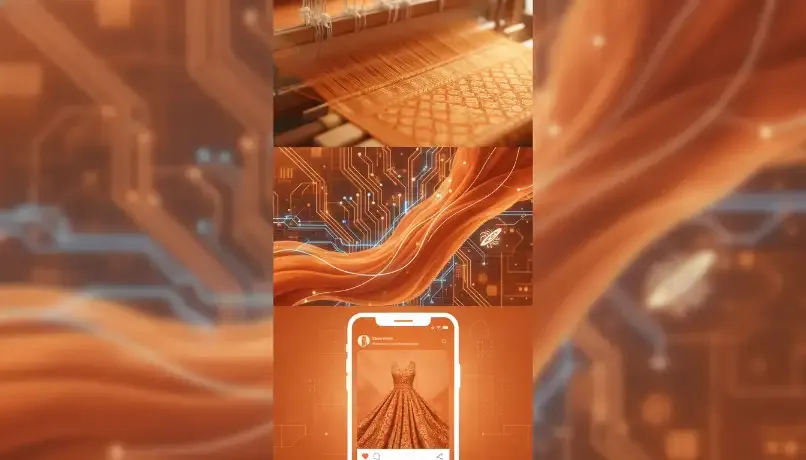
For a very long time, Amit's family made handloom sarees. A handloom is a large wooden machine operated by hand and foot. It does not use electricity. Amit sat at his loom every day. The loom went clack-clack-clack from morning until night.
Amit would take bright red threads, deep blue threads, and shiny gold threads. He would weave them together carefully. After many days of hard work, he would have a long, beautiful piece of cloth.
The Old Way of Selling
In the past, Amit only sold wholesale fabric. Wholesale means selling large amounts of goods to a shop owner, not to the person who will actually wear it.
Amit would sell his beautiful cloth to a middleman. A middleman is a person who buys from the maker and sells to the shops. The middleman would pay Amit a very small amount of money. Then, the middleman would sell the cloth to big city shops for a lot of money.
Amit was not happy. He did all the hard work. He made the beautiful handloom sarees and the raw fabric. But he was not making enough money to feed his family well.
"The hands that weave the magic should also hold the reward."
Amit knew he had to change something. He wanted the people who wore his clothes to know his name. He wanted to keep the profits for his family. He realized he needed to learn about small business marketing. He needed to reach the buyers directly.
Note: Selling wholesale is good if you want to sell a lot quickly. But if you want to build a name for yourself, you need to reach the final customer.
Chapter 2: The Big Dream
One day, Amit looked at his mobile phone. He saw pictures of big fashion brands. He saw how they displayed their clothes. He thought, "I want to do this. I want to start a clothing brand."
But starting a clothing line is very hard in the traditional way. Let us look at what a normal person has to do to start a clothing brand:
- Make the raw fabric.
- Hire a tailor to stitch the fabric into dresses, shirts, or sarees.
- Hire a beautiful fashion model to wear the clothes.
- Hire a professional photographer with big cameras and bright lights.
- Rent a beautiful place to take the photos.
- Edit the photos on a computer.
Amit felt sad. He only had the raw fabric. He did not have money to hire tailors, models, or photographers. Paying for a photo shoot can cost thousands of dollars. Amit only had a few dollars in his pocket.
How could he sell clothes online if he did not have pictures of people wearing his clothes? When people buy clothes on the internet, they want to see how the clothes look on a real person. If they only see a flat piece of cloth on a table, they will not buy it.
This is a big problem in fashion ecommerce. Ecommerce means selling things on the internet. In fashion ecommerce, the picture is the most important thing.
Remember: Customers cannot touch the fabric through their phone screen. They rely completely on the picture to make them feel excited about the clothing.
According to a study by the online data platform Statista, the global fashion ecommerce market is expected to grow to over one trillion dollars in the next few years. Amit wanted a tiny piece of that big pie. But he was stuck. He needed a magic trick.
Chapter 3: Discovering a Smart Helper
Amit's son, Rahul, goes to college. Rahul knows a lot about computers and the internet. One evening, Rahul saw Amit looking sad. Amit explained that he wanted to start a clothing brand but could not afford a photo shoot.
Rahul smiled. He said, "Papa, you do not need a camera or a model anymore. You just need a computer brain."
Rahul introduced Amit to something called AI in fashion. AI stands for Artificial Intelligence. AI is like a very smart computer robot. You can teach this robot to do human tasks, like painting pictures, writing stories, or designing clothes.
Rahul showed Amit a special website. This website is a magical home for textile creators. You can visit the main page here to see what it is all about: https://www.thetextileai.com.
This website offers an amazing https://www.thetextileai.com/ai-tool designed just for people who make clothes. It completely changes the rules of starting a clothing line.
How Does It Work?
Let us explain it simply, like a magic trick:
- Amit puts his flat, hand-woven cloth on a table.
- He takes a simple photo of the flat cloth using his mobile phone.
- He uploads this photo to the AI tool on the internet.
- The AI tool looks at the pattern, the colors, and the texture of the cloth.
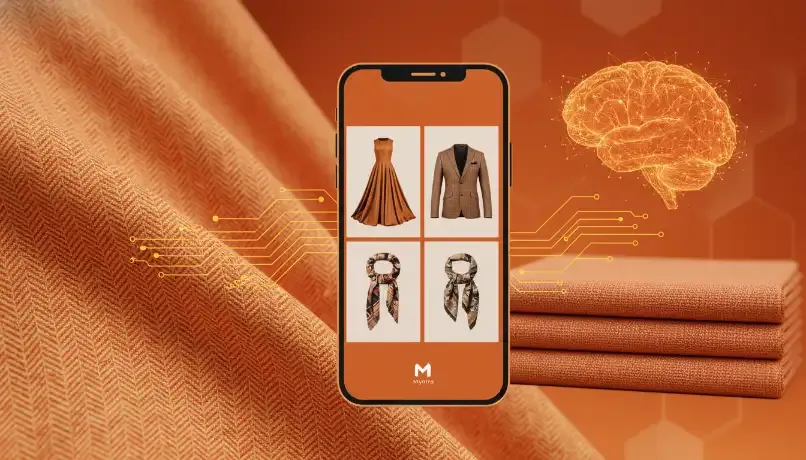
- Then, the AI "paints" a brand new picture. It draws a realistic fashion model. It automatically stitches Amit's fabric onto the model to make it look like a real, finished dress!
Amit could not believe his eyes. He gave the computer a picture of a flat square of cloth. One minute later, the computer gave him a picture of a beautiful woman wearing a gorgeous dress made of his exact cloth.
This was the power of AI fashion design.
Tip: You do not need to be a computer expert to use AI tools. If you know how to tap on a phone screen and upload a picture, you can use these tools to build your business.
Chapter 4: Turning Flat Cloth into Ready-to-Wear Magic
Let us dive deeper into exactly how Amit used this technology to build his online clothing business.
When you want to start a clothing brand, you need to show variety. Customers like choices. Sometimes they want a saree. Sometimes they want a modern dress. Sometimes they want a traditional suit.
Amit used a specific feature called the https://www.thetextileai.com/ai-tool/fabric-to-garment tool.
This tool is very special. "Garment" is another word for clothing. So, this tool turns a picture of fabric into a picture of a garment.
Here is how Amit did it, step-by-step:
- Take a Clear Photo: Amit took his red and gold wholesale fabric outside in the morning sunlight. Sunlight shows the true colors of the thread. He placed it flat and took a clear photo.
- Choose the Style: On the computer, he selected what kind of dress he wanted. He clicked on "Long Dress".
- Choose the Model: He picked a digital model that looked friendly and elegant.
- Generate: He pressed a button. The computer thought for a few seconds.
- The Result: The computer created a stunning picture of the model wearing the red and gold long dress. The folds of the dress perfectly showed off Amit's handloom pattern.
Next, Amit wanted to see how his cloth would look as different products. He used the https://www.thetextileai.com/fabric-to-product method. This means he could turn his one piece of cloth into pictures of skirts, tops, and even bags!
He also discovered a tool that lets customers imagine themselves in the clothes. It is called the https://www.thetextileai.com/ai-tool/virtual-try-on tool.
"Virtual" means on a computer screen. "Try-on" means wearing clothes to see if they fit. With a virtual try-on, people can see how a dress style looks on different body shapes without actually touching the dress. This makes people feel safe when they sell clothes online.
"Technology is not here to replace the weaver. It is here to give the weaver a louder voice."
By using AI fashion design, Amit went from having one piece of flat cloth to having pictures of a dozen different dresses. And it cost him almost nothing!
Chapter 5: Building a Beautiful Shop Window
Now Amit had amazing, professional-looking pictures. But where should he put them?
If you own a real shop on the street, you have a glass window. You put your best clothes in the window on plastic mannequins. People walk by, see the clothes, and walk into the shop.
When you have an online clothing business, your shop window is digital. You need a digital catalog. A catalog is like a menu at a restaurant, but for clothes. It shows all the pictures, names, and prices of what you sell.
Amit used the https://www.thetextileai.com/ai-tool/catalog maker. This helped him organize all his AI-made pictures into a neat, beautiful list.
Why is a Catalog Important?
If you want to start a clothing brand, you must look organized. If your pictures are messy, people will not trust you with their money. A neat catalog tells the buyer: "I am a professional business."
Amit made sure his catalog had:
- A clear picture of the dress on a model.
- A close-up picture of the handloom sarees raw fabric, so people could see the thread work.
- The price of the item.
- The sizes available.
Amit also wanted to see what other people were creating. He visited the https://www.thetextileai.com/gallery. A gallery is a room full of art. This digital gallery showed how other weavers and designers were using AI. Seeing other people's beautiful work gave Amit great ideas for his own brand.
Note: You might be wondering about the cost. Is AI expensive? Not at all. Amit checked the https://www.thetextileai.com/pricing page and found that it was much cheaper than paying a photographer for even one hour! For a small monthly fee, he could make hundreds of pictures.
Now, Amit had the product. He had the beautiful pictures. He had his catalog. It was time for the final and most exciting step: finding the customers.
Chapter 6: The Shop on the Phone
Amit knew that millions of people look at their phones every day. They scroll through an app called Instagram. Instagram is a place where people share photos and videos. It is also one of the best places for small business marketing.
If you want to learn how to sell on instagram, you must pay close attention to this chapter. Amit followed these exact steps to turn his Instagram into a busy store.
Step 1: Making a Business Profile
First, Amit did not use his personal profile. He made a new one just for his brand. He named it "Amit Weaves". He changed the profile setting to a "Professional Dashboard." This is a free setting on Instagram that gives you tools to run a business. (You can read more about setting up an account on the official Instagram for Business page).
Step 2: A Clear Profile Picture and Bio
He used a clear, bright picture of his colorful threads as his profile picture. In the "Bio" (the small text box under the picture), he wrote:
- Handmade with love in Gujarat.
- Traditional fabric meets modern style.
- DM (Direct Message) to order.
Step 3: Posting the AI Pictures
This is where Amit's secret weapon shone brightly. Other small weavers were posting boring pictures of folded cloth on a table. But Amit was posting pictures of stunning models wearing gorgeous dresses walking in sunshine.
When people scrolled on their phones, they stopped. They saw Amit's pictures and thought, "Wow, what a beautiful dress!"
Amit posted every day. He posted pictures from his AI catalog. He also used the "Carousel" feature. A carousel is when you put multiple pictures in one post so people can swipe through them.
- Picture 1: The AI model wearing the finished dress.
- Picture 2: A close-up of Amit's hands weaving the real fabric on the loom.
This showed people that while the dress design was digital, the hard work and the cloth were real and authentic.
Step 4: Using Reels
Instagram loves videos. These short videos are called Reels. Amit learned that to sell clothes online, he needed moving pictures. He recorded short videos of his loom going clack-clack-clack. He put popular music over the video. At the end of the video, he showed the final AI-generated dress. People loved seeing the journey from thread to dress!
Step 5: Talking to Customers
When people liked the dresses, they would write a comment or send a Direct Message (DM). They would ask, "How much does this cost?"
Amit was always polite. He answered quickly. He would say, "Hello! Thank you for liking my work. This custom dress costs this much amount. I will weave the fabric and my local tailor will stitch it to your size."
Tip: Always be kind and fast when answering customers on the internet. Good manners are the best small business marketing tool.
Slowly, the magic happened. People started sending him money. Amit would weave the cloth, get it stitched by his friend who was a tailor, and mail the package to the customer. Amit's dream to start a clothing brand had come true!
Chapter 7: Celebrating Special Days
To make an online clothing business grow fast, you have to be smart about holidays. People love buying gifts for special days.
One of the biggest days for buying gifts is Valentine's Day. Valentine's Day is a day to celebrate love. Couples like to buy special things for each other. Sometimes, they even like to wear clothes that match!
Amit knew this was a great chance to boost his fashion ecommerce store. He wanted to do a special promotion. A promotion is a special event where you show off new things or give a discount to make people buy more.
He decided to plan a special event for his shop. You can learn how to plan digital events by looking at how platforms organize them, like this helpful section: https://www.thetextileai.com/event.
The Valentine Collection
Amit created a special line of clothes just for February. He called it his "Love Collection." He used beautiful pink and red threads on his loom.
He then went to the AI tool to create his special https://www.thetextileai.com/event/valentine pictures. He made dresses with soft pink patterns and bold red colors.
But Amit had an even better idea. He knew couples liked to wear clothes made from the same fabric. A man might wear a shirt, and a woman might wear a dress, both made from Amit's red handloom cloth.
Using AI, he created pictures of a man and a woman standing together, wearing matching outfits made from his exact fabric.
He even found a great video tutorial that showed him exactly how to make these couple pictures. If you want to see how he learned to do this, you can watch it here: https://www.thetextileai.com/watch/valentine/matching-outfits.
Amit posted these matching couple outfits on his Instagram. He wrote: "Celebrate Love with Handwoven Magic. Order matching outfits for you and your partner today!"
The response was huge. His phone kept buzzing with new messages and orders. People loved the idea. Because the AI pictures looked so real and beautiful, customers trusted that the final clothes would look perfect.
By using AI in fashion and understanding how to sell on instagram, Amit had his best month of sales ever. He hired two other local weavers to help him keep up with the orders. He was no longer just selling raw materials. He was running a real, successful brand.
Chapter 8: How YOU Can Start Your Own Journey
Are you feeling inspired by Amit's story? Do you want to start a clothing brand too? You absolutely can!
You do not need to own a wooden handloom like Amit. Maybe you buy fabric from a local market. Maybe you draw digital patterns on an iPad. No matter where you get your fabric or designs, you can turn them into a famous online clothing business.
Here is a simple summary of the steps you need to take:
1. Find Your Fabric
Get a piece of fabric you love. It can be printed, plain, or embroidered. Just make sure you can get more of it if people order from you. Many successful businesses start by buying wholesale fabric from local markets.
2. Enter the Digital World
You need the right tools. Do not spend money on expensive photoshoots. Go to the internet. Create an account on the magic platform we talked about earlier. You can start by clicking here to sign in: https://www.thetextileai.com/login.
3. Read the Instructions
If you are confused about how to click the buttons, do not worry. There are easy instruction manuals on the internet. Manuals are called documents or "docs" for short. You can read all the simple steps on how to use the AI tools perfectly here: https://www.thetextileai.com/docs.
4. Keep Learning
The world of fashion moves very fast. New styles come out every day. You must keep learning new things. Reading articles is a great way to learn. You can read wonderful stories and tips from other creators by visiting https://www.thetextileai.com/blogs.
5. Open Your Social Media Shop
Follow the steps from Chapter 6. Learn how to sell on instagram or Facebook or TikTok. The rules are the same:
- Post beautiful, clear AI pictures.
- Tell a story in your captions. Tell people where the fabric comes from.
- Use short videos to show the real cloth.
- Be very friendly to everyone who sends you a message.
Remember: Do not give up if no one buys on the first day. Starting a clothing line takes a little bit of time. You have to build trust. Keep posting beautiful pictures every single day. Soon, the internet algorithm (the computer brain that decides who sees your posts) will show your shop to the right buyers.
Conclusion: From Threads to Dreams
The world is changing very fast. A long time ago, small makers and weavers like Amit had to stay hidden. They did all the hard work, but big companies took all the money.
Today, things are different. The internet gives everyone a voice. If you want to start a clothing brand, the doors are wide open. Tools like AI fashion design are like magic keys. They unlock doors that used to be locked for normal people.
Amit turned his simple threads into a brand that people all over his country wear and love. He used his phone and smart computer programs to bypass the old, expensive ways of doing business. He proved that you do not need millions of dollars. You just need creativity, hard work, and a willingness to try new technology.
If a weaver from a small village in Gujarat can learn to sell clothes online, create beautiful catalogs, and build a successful brand using Artificial Intelligence, then so can you.
Your dream of having your own fashion label is just a few clicks away. Take your fabric, take a picture, and let the magic begin. The world is waiting to wear your story.