Imagine drawing a simple sketch on a piece of paper and seeing a real, living product on your screen just a few seconds later.
Not long ago, this idea sounded like magic. If you wanted to make a new piece of clothing, you had to wait months. You had to draw, cut, sew, and test over and over again. Today, things are different. The world of making things has changed. Independent creators are moving faster than ever before. They are taking their big ideas and turning them into real items that people can buy.
In this post, you will learn exactly how this happens. You will see how new tools help you jump from a basic drawing to a finished item ready for sale. Whether you make shirts, bags, or home goods, this guide will show you how to speed up your work. You will learn about product development and how AI is changing the textile industry. Let us dive in.
The Old Way vs. The New Way in Making Things
For a very long time, making a new item was a slow and hard job. Big companies had large teams. They had lots of money to spend. A single person working from home could not compete with them. But now, the rules have changed.
Why the Old Design Process Took So Long
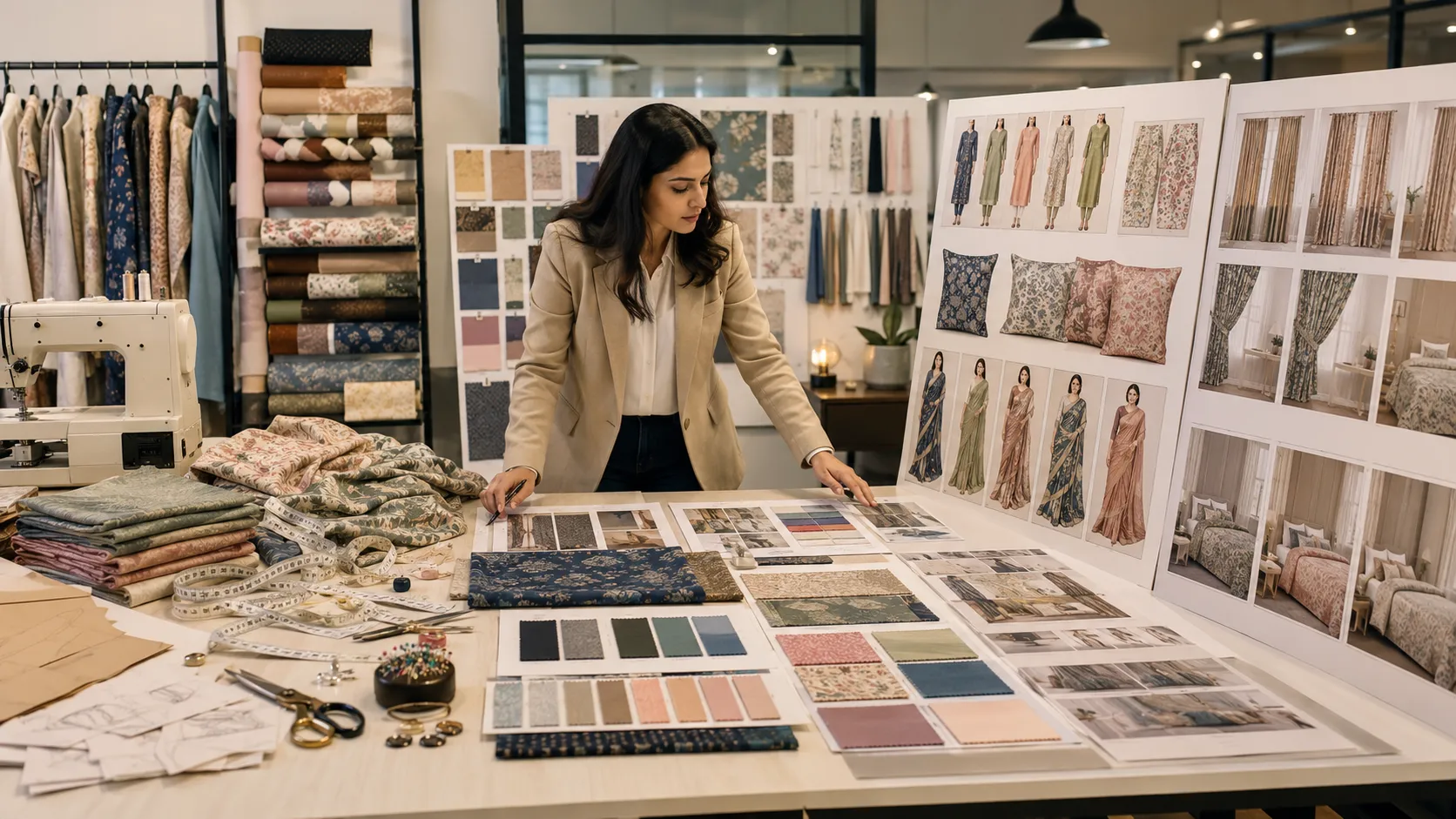
In the past, the design process was like running a very long race with many hurdles. First, you had to come up with an idea. Then, you had to draw it by hand. After that, you had to find the right materials.
If you wanted to make a dress, you had to order fabric. You had to wait for the fabric to arrive in the mail. Then, you had to cut it and sew it. If the dress did not fit right, you had to start all over again. This meant wasting time and wasting money.
Note: The old way of making clothes often created a lot of waste. If a test item failed, the fabric was thrown away. This was bad for the planet and bad for your wallet.
Big brands could afford to make these mistakes. They had factory workers who could sew a new prototype every day. A prototype is just a test model. It is the first version of a new idea. For an independent maker, making one prototype could take three weeks. It was hard to keep up.
Enter the Power of AI and Fast Testing
Today, you do not have to wait weeks. You can use the power of computers. You can use rapid prototyping. Rapid prototyping means making a test model very quickly. Instead of sewing fabric, you use a computer screen.
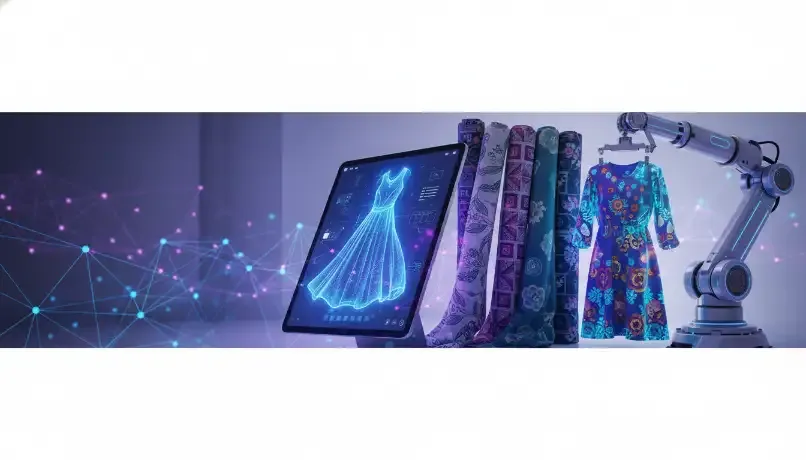
AI tools allow you to show a computer your sketch. The computer looks at your sketch and understands what you want to make. It then shows you what the finished item will look like in real life. This step skips the cutting and sewing.
Because of this, independent designers are winning. They can test ten different ideas in one hour. If you want to learn more about how artificial intelligence is changing the game, you can visit the homepage of The Textile AI. It shows how fast and easy the new way of making things really is.
What Is Product Development Today?
Product development is the whole journey of a product. It starts as a thought in your head. It ends up in the hands of a happy customer. It includes thinking, drawing, testing, and making.
From Concept Design to Real Items
Everything starts with a concept design. A concept design is your very first idea. It is the rough draft. You might draw it on a napkin while drinking coffee. You might doodle it in a notebook.
In the new world of product development, your concept design does not have to be perfect. You do not need to be a great artist. The tools we have today are very smart. They can take a messy drawing and fix it. They turn your rough idea into a beautiful picture.
This helps you see your idea clearly. You can look at the picture and say, "Yes, I like those sleeves," or "No, I want a different collar." You make changes before you ever spend money on real fabric.
Using Design Thinking to Solve Problems
Great designers use something called design thinking. Design thinking is a special way to solve problems. It puts the customer first.
When you use design thinking, you ask yourself questions:
- What does my customer need?
- What problem does this clothing solve?
- How will they feel when they wear it?
There are five steps in design thinking:
- Understand: Learn about the people you are making things for.
- Define: Figure out the exact problem you want to solve.
- Ideate: Brainstorm lots of ideas.
- Prototype: Make a quick test model.
- Test: Show it to people and see what they think.
By using new AI tools, the "Prototype" and "Test" steps take seconds. You do not have to guess what your customer wants. You can show them a picture of the product before you even make it. This is why product design is so exciting today.
Tools That Change the Game for You
To go from a sketch to a product fast, you need the right tools in your toolbox. The best part? You do not need to be a computer expert to use them.
CAD Software and 3D Printing
For a long time, industrial design relied on heavy computer programs. Industrial design is the practice of designing products that are made in factories. Think of cars, phones, and chairs. Designers used CAD software. CAD stands for Computer-Aided Design.
CAD software lets you build a 3D model on your computer. It is very detailed. In the past, learning CAD software took years. It was very hard. Today, many CAD tools are much easier to use.
Along with CAD, we have 3D printing. 3D printing is a way to make real, solid objects from a computer file. The printer adds material layer by layer until the object is done. For things like buttons, jewelry, or shoe parts, 3D printing is amazing. You can print a prototype in a few hours.
Quote: "The ability to print a 3D model in hours instead of waiting weeks for a factory sample has completely changed how we create." - Forbes Technology Council
According to data from the manufacturing industry, using tools like 3D printing can cut the time it takes to develop a product by up to 50 percent. That is a huge time saver.
AI Tools for the Textile Industry
While 3D printing is great for hard objects, what about soft things? What about fabric and clothing? This is where AI tools for the textile industry shine.
You no longer need hard-to-learn software to make clothes. You can use an AI Tool built just for fabrics. These tools look at your flat drawing and add life to it. They add color, shadows, and texture.
If you want to read more stories about how creators are using these tools to win, you can read the latest articles on our Blogs. Reading about others can give you great ideas for your own work.
How Independent Designers Win Big
Being an independent designer used to mean you were the underdog. Now, being small is your superpower. You can move fast. You can change your mind quickly. Big brands cannot do that.
Making a Prototype Faster Than Ever
When a big brand wants to make a new jacket, they have a lot of meetings. They send designs to a factory far away. The factory makes a prototype and mails it back. This can take a month. If the zipper is in the wrong place, they have to do it all again.
You do not have to do that. You can create a digital prototype. A digital prototype is a fake version of your item on a computer screen. It looks 100 percent real, but it is just pixels.
With tools like Fabric to Product, you can take a picture of a raw piece of fabric. Then, the computer shows you exactly how that fabric will look when it is made into a dress, a shirt, or a bag. You get to see the final item instantly. This helps you know if the fabric is right for the design.
Testing the Market Without Big Costs
One of the scariest parts of product development is spending money. What if you make 100 shirts and nobody buys them? That is a big loss.
Independent designers avoid this risk now. They test the market first. Here is how they do it:
- They make a fast digital design.
- They put the picture on their social media.
- They ask their followers, "Would you buy this?"
- If people say yes, they make the product. If people say no, they try a new idea.
This saves so much money. You only spend money on manufacturing when you know people want to buy. Manufacturing means making the product in large numbers to sell. By testing first, you remove the fear from your business.
Deep Dive: The Step-by-Step AI Design Process
Let us look closely at how you can do this yourself. Going from an idea to a market-ready product is a journey. Here are the exact steps you can take.
Step 1: The Sketch and Concept Design
First, you grab a pencil. You draw your idea. It can be a dress with big pockets. It can be a cool new sweater. Do not worry about making a perfect drawing. Just get the idea out of your head.
Next, you upload this sketch into your computer. You use a tool that turns your Fabric to Garment. You tell the computer what kind of fabric you want. You pick the colors. In seconds, your flat drawing turns into a beautiful, realistic image of the garment.
Tip: Keep your first sketches simple. Let the AI do the heavy lifting of adding details like folds and shadows.
Step 2: Virtual Try-On and Testing
Now you have a picture of your garment. But what does it look like on a real person? This is a very important part of the design process. Clothes look different on a body than they do on a hanger.
You can use a Virtual Try-On tool. This tool puts your digital clothing on a digital model. You can see how the dress flows when the person moves. You can see if the sleeves are too long or if the collar is too tight.
This is a magic moment. You are doing a fitting without any real fabric. You are seeing your product design come to life. If you do not like how it looks, you click a button and change it. No fabric is wasted. No time is lost.
Step 3: Getting Ready for Manufacturing
Once you are happy with how the digital garment looks, it is time to make it real. Because you used smart tools, you have a very clear picture of what you want.
You can take this detailed picture to a factory or a local tailor. You say, "I want to make exactly this." Because the picture is so clear, the person making the clothing knows exactly what to do. There is no guessing.
Before you start, you might wonder about the costs of using these cool tools. You can check the Pricing to see how cheap it is to start. It is much cheaper than buying yards of test fabric.
Real Stories and Textile Industry Stats
Do not just take our word for it. The whole world is seeing this change. The numbers prove that fast product development is the future.
Speeding Up the Fashion World
A big study by the business experts at McKinsey showed something amazing. They found that fashion companies using digital tools can cut their product development time by up to 40 percent.
Let us break that down. If it used to take 100 days to make a new product, it now takes only 60 days. That is 40 whole days saved!
For an independent designer, those 40 days mean you can launch a whole new collection while your competitors are still waiting for their first samples. Speed is how you win. When a new trend starts on social media, you can design a product, test it, and sell it before the trend ends.
Why Independent Creators Are Taking Over
People love buying from independent creators. They love stories. They love knowing that a real person made their clothing.
When you use modern rapid prototyping, you have more time to talk to your customers. You spend less time fighting with sewing machines and more time building your brand. You can share your design process online. People love seeing how a simple sketch turns into a real product.
Remember: Your story is your best selling point. Share your sketches. Share your digital prototypes. Let your customers be part of your journey.
If you want to see what other creators are making right now, you should explore the Gallery. It is full of amazing ideas that went from sketch to product in seconds.
Special Events and Designing for Seasons
One of the hardest things for a designer is keeping up with the calendar. There are always special holidays. There is winter, spring, summer, and fall. You have to make new products for all of them.
Designing for Valentine's Day and Beyond
Let us take a real-world example. Imagine it is January, and Valentine's Day is coming fast. You want to make a special line of clothing for couples. In the old days, starting in January was too late. You would never finish in time.
Now, you can jump right in. You can join a special Event to get inspired. You can focus on a specific holiday, like the Valentine event.
You can draw matching sweaters for couples. You use the AI tool to bring them to life. You can even see how they look together by taking a moment to Watch Matching Outfits being created.
Because you do all of this digitally, you have your designs ready to show customers by the second week of January. They place their orders, and you only make what you have already sold. This is the smartest way to run a business.
Creating Catalogs for Your Brand
When you have lots of designs, you need a way to show them off. You need a catalog. A catalog is a collection of all your products in one place.
Usually, making a catalog is expensive. You have to hire models. You have to hire a photographer. You have to rent a studio with good lights. This can cost thousands of dollars.
With AI, you can build a whole Catalog without a camera. The tools generate perfect pictures of your designs on models. You can put these pictures directly on your website. Your online store will look just as professional as the biggest brands in the world.
How to Start Your Own Product Design Journey
Reading about this is exciting, but doing it is even better. You might be wondering how you can actually begin. It is easier than you think. You just have to take the first step.
Picking the Right Tools
The first step is knowing what you need. You need a computer or a tablet. You need an idea. And you need the right software.
If you are confused about how to use a specific tool, there is always help available. You can read the Docs (which is short for documentation). These guides explain everything step-by-step. They hold your hand so you never feel lost.
Start small. Do not try to design a hundred things on your first day. Pick one simple idea. Maybe it is a t-shirt with a new kind of sleeve. Draw it. Upload it. See what happens.
Making Your First Fabric to Garment Item
Let us walk through your very first day as a fast digital designer.
First, you need to create your account. You simply click to Login to the platform.
Once you are inside, find the tool that turns fabric into garments. Take a picture of a cool piece of cloth you have at home. Maybe it is a blanket with a nice pattern. Upload that picture.
Then, tell the tool to make a hoodie out of that pattern. In a few seconds, the screen will load. You will see a brand-new hoodie, glowing on your screen, made exactly from your blanket's pattern.
You just completed product development in less than a minute. You made a prototype. You tested a concept design. You did industrial design without going to school for it for four years. You are a designer.
The Future of Making Things
The world of manufacturing and design is moving fast. Things that are new today will be normal tomorrow. It is a great time to be a creator.
Will AI Replace Designers?
Some people worry that computers will take over. They wonder, "If the computer can draw the shirt, does the world still need me?"
The answer is a very big YES. The world absolutely needs you. A computer does not have feelings. A computer does not know what it feels like to wear a warm coat on a cold snowy day. A computer cannot understand design thinking on its own.
The AI is just a tool, like a very fast pencil. You are the artist holding the pencil. You provide the taste. You provide the ideas. The AI just helps you get the idea out of your head faster. It does the boring work so you can do the fun work.
Quote: "Technology will never replace human creativity. It only amplifies it, allowing us to bring our wildest ideas to life faster." - Design Week Magazine
Better Manufacturing for Everyone
Because independent designers can work so fast now, the whole world benefits. We get better products. We get more unique clothing. We do not have to wear the exact same things as everyone else.
Factories are changing too. They are learning to accept digital designs. They are using CAD software to talk directly to your AI tools. This means less mistakes. When a factory knows exactly what to do, they do not waste materials.
This helps the Earth. The textile industry is known for making a lot of pollution. By making less test models and wasting less fabric, you are helping to keep the planet clean. You are making fashion sustainable. Sustainable means doing things in a way that does not hurt the future.
Conclusion
Going from a sketch to a product in seconds is not a dream anymore. It is happening right now, every single day. Independent designers all over the world are using new tools to bring their ideas to life faster than anyone thought possible.
You learned that the old ways of product development were slow and expensive. You learned that rapid prototyping and digital testing save time and money. You discovered how tools like virtual try-ons and digital catalogs make you look like a giant company, even if you are working from your kitchen table.
You have the power of design thinking. You have the power of AI. You have the power to create a concept design and test it before you ever spend money on manufacturing.
The barrier to entry is gone. You do not need thousands of dollars. You do not need a big team. All you need is your imagination and the willingness to try something new.
So grab your pencil. Draw that sketch you have been thinking about all week. Upload it. Watch it turn into a real product right before your eyes. The market is waiting for your unique ideas. It is your time to create, test, and sell faster than ever before.