Online fashion shopping is growing fast, but one big problem still remains.
Customers cannot physically try the clothes before buying.
They can see product photos, size charts, and model images, but they still wonder how the garment will actually look when worn.
This creates doubt.
And doubt often leads to:
- Fewer purchases
- More returns
- Slower buying decisions
- Less customer confidence
This is where virtual try-on technology is changing the fashion industry.
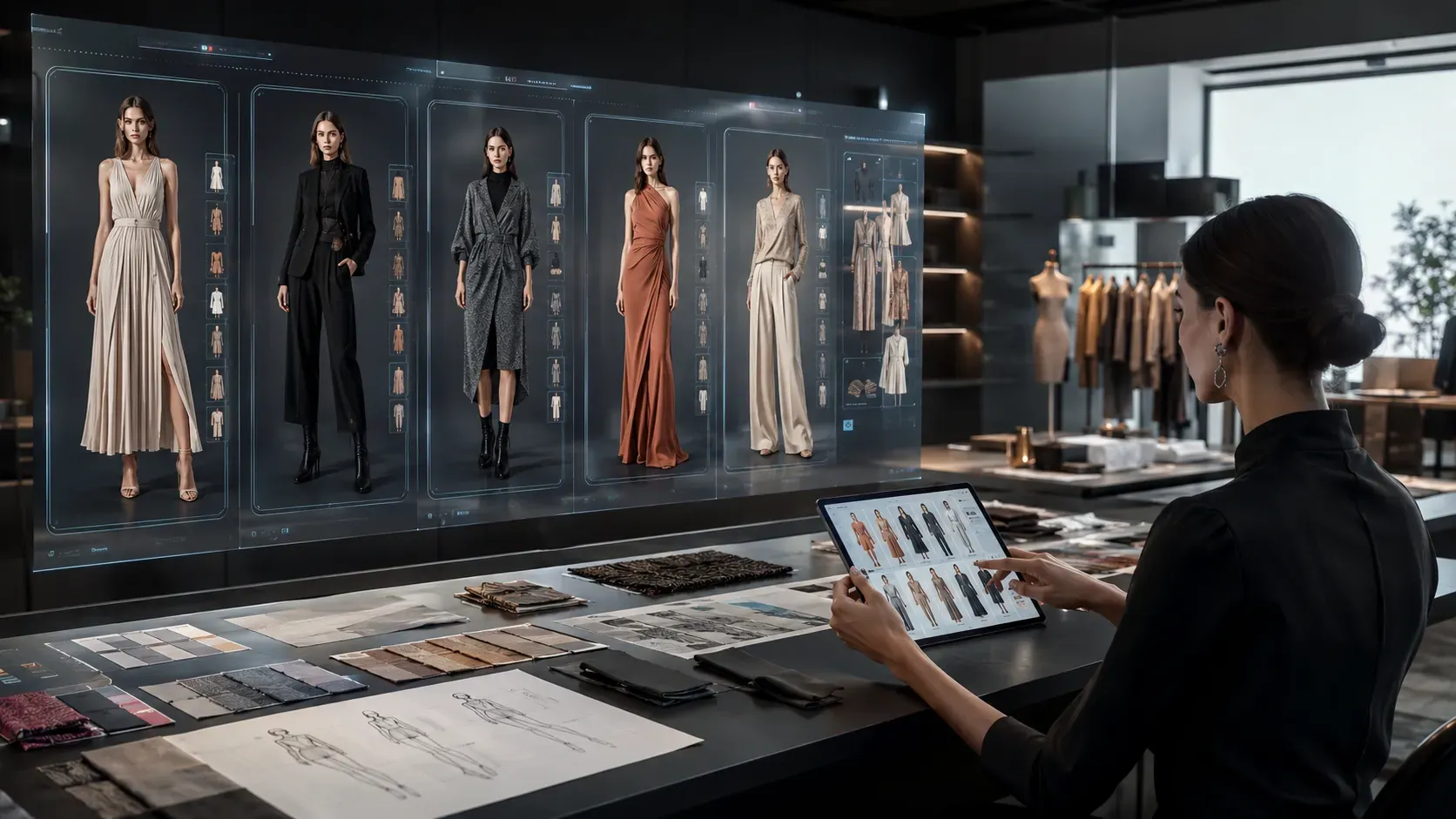
With AI-powered virtual try-on, fashion brands can show garments on realistic AI models without arranging a physical photoshoot.
It helps customers and buyers visualize the final look faster, better, and more confidently.
The Textile AI has a Virtual Try-On tool built for textile and fashion businesses.
Virtual Try-On tool:
https://www.thetextileai.com/ai-tool/virtual-try-on
What is Virtual Try-On Technology?
Virtual try-on technology is an AI-powered system that places garments onto digital models or AI models.
Instead of hiring a model, booking a studio, arranging lighting, and doing a full photoshoot, brands can upload a garment image or fabric swatch and generate realistic fashion visuals using AI.
The AI understands:
- Garment shape
- Fabric flow
- Body structure
- Draping
- Folds
- Overall appearance
Then it creates a realistic image that shows how the outfit may look on a person.
In simple words, virtual try-on helps fashion businesses show clothing on models without doing a traditional photoshoot.
Note: Virtual try-on is not just a fun feature. It is becoming a practical business tool for fashion brands, textile sellers, catalog creators, and online stores.
Why Online Fashion Shopping Needs Virtual Try-On
Buying fashion online is very different from buying fashion in a store.
In a physical store, customers can:
- Touch the fabric
- Check the fall
- Try the outfit
- See the fitting
- Understand the final look
Online, they cannot do that.
They depend only on images.
This creates many questions in the customer’s mind:
- How will this outfit look when worn?
- Will the garment fall naturally?
- Does this color look good on a model?
- Will the fabric look premium in real life?
- Can I see this style on a different body type?
- Will this garment work for my customer audience?
Virtual try-on helps answer these questions visually.
Instead of showing only flat clothing or fabric images, brands can show garments on realistic AI models.
This makes online shopping more visual, clear, and engaging.
“A flat product image shows the garment. A virtual try-on image shows the experience of wearing it.”
How Virtual Try-On Works
Virtual try-on may sound advanced, but the process is simple for users.
You do not need to be a technical expert. You only need a garment image, fabric image, or design and the right AI tool.
Step 1: Upload Your Garment Image or Fabric Swatch
The first step is to upload the clothing image, garment design, or fabric swatch.
This can be:
- A dress image
- A kurti image
- A saree image
- A shirt image
- A top image
- A garment product photo
- A fashion design image
- A fabric swatch or textile print
For better results, use a clear image where the garment or fabric is visible properly.
Tip: Clean input images create better AI try-on results. Avoid blurry images, heavy shadows, bad lighting, or unclear product edges.
Step 2: Select an AI Model
Next, choose an AI model.
The Textile AI Virtual Try-On tool supports realistic model-based visualization. It is designed for fashion and textile businesses that want model images without a full photoshoot.
A strong virtual try-on system allows brands to work with different types of models, such as:
- Different looks
- Different ages
- Different body types
- Different style directions
- Different fashion moods
This is useful because fashion customers are diverse. Not every customer wants to see clothing on the same model type.
Remember: Better model diversity can help more customers imagine the product on themselves.
Step 3: AI Analyzes the Garment and Body Structure
After the garment and model are selected, the AI analyzes the outfit.
It studies:
- Garment shape
- Fabric placement
- Body structure
- Drape and fall
- Wrinkles and folds
- Lighting direction
- Realistic fit appearance
The goal is to make the final image look natural and believable.
On The Textile AI Virtual Try-On tool page, the system is described as helping fashion businesses visualize garments on realistic AI models without physical photoshoots.
It also explains that AI analyzes garment structure and fabric physics to generate photorealistic visuals for business visualization.
Step 4: Generate the Final Try-On Image
Once the AI processes the input, it generates the final virtual try-on image.
The result can be used for:
- Product catalogs
- Website product pages
- Social media posts
- Buyer presentations
- Fashion campaign previews
- Online store listings
- WhatsApp catalog sharing
- Internal design approval
This helps brands create professional fashion visuals much faster than traditional photography.
Why Virtual Try-On is Important for Fashion Brands
Fashion brands need speed, quality, and consistency.
Traditional photoshoots can be expensive and time-consuming.
You may need:
- Models
- Photographers
- Stylists
- Makeup artists
- Studio space
- Lighting
- Editing
- Coordination
For every new product, this process can become costly.
Virtual try-on technology helps reduce that pressure.
It allows businesses to create visual content quickly and test how garments look on different models before investing in full production or photoshoots.
Benefit 1: Faster Product Visualization
Speed is one of the biggest benefits of AI virtual try-on.
Instead of waiting days or weeks for a photoshoot, brands can create model-based visuals in minutes.
This is useful when launching new products, testing new designs, or updating online catalogs.
The Textile AI page highlights instant generation and high-resolution marketing assets, helping users iterate on designs quickly.
“In online fashion, speed matters. The faster you create product visuals, the faster you can start selling.”
Benefit 2: Lower Photoshoot Cost
Photoshoots are expensive.
You may need to pay for:
- Model booking
- Studio rental
- Photography
- Styling
- Makeup
- Lighting
- Editing
- Location setup
- Retouching
For small brands, boutiques, and textile sellers, this can become a major cost.
Virtual try-on reduces the need for repeated physical photoshoots at the early stage.
You can first create AI model visuals and then decide which products need full production support.
This helps brands save money while still creating professional-looking images.
Tip: Use virtual try-on for early product testing, catalog previews, and social media concepts before planning expensive shoots.
Benefit 3: Better Buyer Confidence
Customers buy faster when they understand the product clearly.
If they see only a flat garment image, they may hesitate.
But when they see the garment on a realistic model, they can understand:
- Fit
- Fall
- Style
- Color
- Overall look
- Product presentation
This can improve buyer confidence.
For B2B buyers, it also helps during product selection. They can see how a garment may look in catalog form before placing orders or approving designs.
Remember: Clear visuals reduce confusion. Less confusion means better decision-making.
Benefit 4: More Model Diversity
Traditional photoshoots limit you to the models you hire.
If you want the same outfit shown on multiple body types or different looks, you may need to book more models. This increases cost and time.
AI virtual try-on gives more flexibility.
Brands can visualize garments on different model types and create more inclusive product visuals.
This is important because online shoppers want to see products in a way that feels relatable.
The Textile AI page mentions diverse AI models across different ethnicities, ages, and body types, which helps brands create more flexible fashion visuals.
Benefit 5: Visual Consistency Across Catalogs
A professional fashion catalog needs consistency.
The lighting should look similar.
The model framing should look clean.
The background should match the brand style.
The product images should feel like one collection.
Manual photoshoots often create small differences because each shoot has different lighting, locations, and editing styles.
AI can help maintain a consistent visual direction across multiple products.
This is useful for:
- Online stores
- Product catalogs
- Marketplace listings
- Lookbooks
- Social media grids
- Buyer presentations
A consistent catalog makes your brand look more professional.
Virtual Try-On for Textile Businesses
Virtual try-on is not only useful for fashion brands. It is also useful for textile manufacturers, fabric sellers, wholesalers, boutiques, and designers.
Textile businesses often have beautiful fabrics but need better ways to show the final product.
Instead of showing only a fabric swatch, they can use AI to show how the fabric or garment may look on a model.
This makes fabric selling more visual and attractive.
For example, a textile seller can show:
- A printed fabric as a kurti
- A saree drape on a model
- A fabric design as a dress
- A new pattern on fashion silhouettes
- A garment concept in catalog style
This helps buyers understand the final use of the fabric.
“Virtual try-on turns fabric and garments into visual stories that buyers can understand faster.”
Virtual Try-On for Sarees and Ethnic Wear
Ethnic wear has special importance in virtual try-on.
Garments like sarees, kurtis, lehengas, and traditional outfits depend heavily on:
- Draping
- Fabric fall
- Styling
- Body shape
- Final presentation
A flat product image cannot always show the beauty of ethnic wear.
Virtual try-on can help show saree-style draping, garment shape, and final presentation on a model.
The Textile AI Virtual Try-On page includes classic saree try-on and describes traditional saree draping with virtual try-on technology.
This is especially useful for:
- Indian fashion businesses
- Ethnic wear sellers
- Boutique owners
- Textile brands
- Saree sellers
- Catalog creators
Why Virtual Try-On Helps E-Commerce Fashion
E-commerce fashion depends on images.
Customers scroll quickly. If your product image does not look attractive or clear, they may move to another brand.
Virtual try-on helps create stronger product visuals for online selling.
It can help e-commerce brands:
- Show garments on models
- Improve product presentation
- Create more lifestyle-style visuals
- Reduce dependency on flat product photos
- Launch product pages faster
- Create better social media content
- Build trust with customers
For online fashion shopping, visuals are not optional. They are the main selling tool.
AI virtual try-on makes those visuals easier to create.
Virtual Try-On vs Traditional Photoshoot
Traditional photoshoots are still useful for final campaigns, premium brand shoots, and high-end creative storytelling.
But they are not always practical for every product, every color, every design, and every collection.
Virtual try-on is useful when brands need speed and scale.
Traditional Photoshoot is Good For
- Final campaign images
- Luxury branding
- Physical product storytelling
- Editorial shoots
- Celebrity or influencer campaigns
Virtual Try-On is Good For
- Fast catalog creation
- Product testing
- Design previews
- Model-based mockups
- Online store images
- Social media content
- Buyer presentations
Both can work together.
AI does not remove photoshoots completely. It reduces the need for doing a full shoot for every small product test.
Note: Virtual try-on is best used as a smart visual workflow before or alongside traditional production.
How Virtual Try-On Helps Reduce Returns
One of the biggest problems in online fashion is product returns.
Customers often return products because the item looks different from what they expected.
Virtual try-on can help reduce this issue by making product visuals clearer.
When customers see the garment on a realistic model, they can better understand the style, fall, and appearance.
This does not solve every return problem, because size, fabric feel, and personal fit still matter.
But it can improve customer expectations before purchase.
Better expectations often lead to better buying decisions.
AI Models and the Future of Fashion Content
AI models are becoming a big part of fashion content creation.
They help brands create model-based product visuals without always arranging live shoots.
This is useful for fast-moving brands that need regular content.
With AI models, brands can test:
- Different poses
- Different model looks
- Different garment styles
- Different catalog moods
- Different campaign concepts
- Different seasonal visuals
This gives creative teams more flexibility.
Instead of waiting for one perfect photoshoot day, they can create multiple visual directions quickly.
Tip: Use AI models to test your product presentation before investing in a final campaign shoot.
Business Benefits of Virtual Try-On
Virtual try-on technology gives practical business benefits.
It is not only about creating attractive images. It helps improve workflow.
The main benefits include:
- Faster product launch
- Lower content creation cost
- Better visual presentation
- More model diversity
- Consistent catalog style
- Better buyer confidence
- More marketing content
- Faster design testing
- Scalable product visualization
For fashion brands and textile businesses, these benefits can make daily work easier.
Why The Textile AI Virtual Try-On Tool is Useful
The Textile AI Virtual Try-On tool is built for textile and fashion businesses.
It helps users visualize garments on realistic AI models without physical photoshoots.
The tool page explains that users can upload garment images or fabric swatches, choose AI models, and generate high-quality photorealistic visuals for business use.
Virtual Try-On tool:
https://www.thetextileai.com/ai-tool/virtual-try-on
The platform is useful for:
- D2C fashion brands
- Online marketplace sellers
- Fashion marketing teams
- Catalog creators
- Designers
- Textile businesses
- Boutiques
- Ethnic wear sellers
If your business needs fashion visuals regularly, virtual try-on can become a very useful tool.
How to Use Virtual Try-On in Your Fashion Workflow
Here is a simple workflow for using virtual try-on.
First, prepare your garment image or fabric design.
Then choose the model style that matches your brand.
Generate the virtual try-on image.
Review the result carefully.
Use the best images for catalog previews, social media, product pages, or client presentations.
If needed, generate more variations with different models or styles.
This workflow helps you create more options without spending money on every physical shoot.
Remember: The best results come when you combine good input images with clear creative direction.
Best Use Cases for Virtual Try-On Technology
Virtual try-on technology can be used in many areas of fashion and textiles.
Best use cases include:
- Product catalog images
- Online fashion store visuals
- Social media content
- Model-based garment previews
- Saree and ethnic wear try-on
- Buyer presentation images
- New collection testing
- D2C product launches
- Marketplace listing visuals
- Fashion marketing campaigns
- Client approval previews
This makes it useful for both creative teams and business teams.
The Future of Online Fashion Shopping
The future of online fashion shopping will be more interactive and visual.
Customers will not only look at one product photo. They will expect:
- Better previews
- More model options
- Realistic try-on visuals
- Faster product information
- More personalized shopping experiences
Virtual try-on technology is a major step in that direction.
It helps bridge the gap between physical shopping and online shopping.
In a store, customers can see clothing on themselves.
Online, AI can help create a similar visual experience through realistic model-based try-on.
As AI improves, virtual try-on will become even more common across fashion e-commerce, textile sales, boutique shopping, and digital catalogs.
“The future of online fashion is not just browsing products. It is visualizing them before buying.”
Final Thoughts
Virtual try-on technology is changing how fashion brands and textile businesses create product visuals.
It helps brands show garments on realistic AI models, reduce photoshoot dependency, create catalog images faster, and improve online shopping confidence.
For online fashion sellers, strong visuals are everything. Virtual try-on makes those visuals easier, faster, and more scalable.
Whether you are a fashion brand, boutique owner, textile seller, catalog creator, or online marketplace seller, AI virtual try-on can help you present products in a smarter way.
The future of online fashion shopping is more visual, more personalized, and more AI-powered.
Try The Textile AI Virtual Try-On tool here: