Clothing brands depend on product images to sell online.
Before a customer reads the product description, fabric detail, size chart, or price, they first look at the image. The product image creates the first impression. It decides whether the customer stops, clicks, explores, and trusts the product.
For many years, manual product photography has been the main way to create fashion catalog images. Brands arranged models, studios, lighting, styling, photographers, editors, and product shoots to create clean product visuals.
This method still has value.
But today, clothing brands need images faster than before. They need product photos for websites, Shopify stores, marketplaces, Instagram, WhatsApp catalogs, ads, buyer presentations, email campaigns, and collection launches.
A single product may need front view, side view, back view, detail close-up, and angled model-worn visuals.
This creates a new challenge.
Manual product photography can become slow and expensive when brands have many products and frequent launches. AI catalog images are now becoming a faster option for creating catalog-ready visuals.
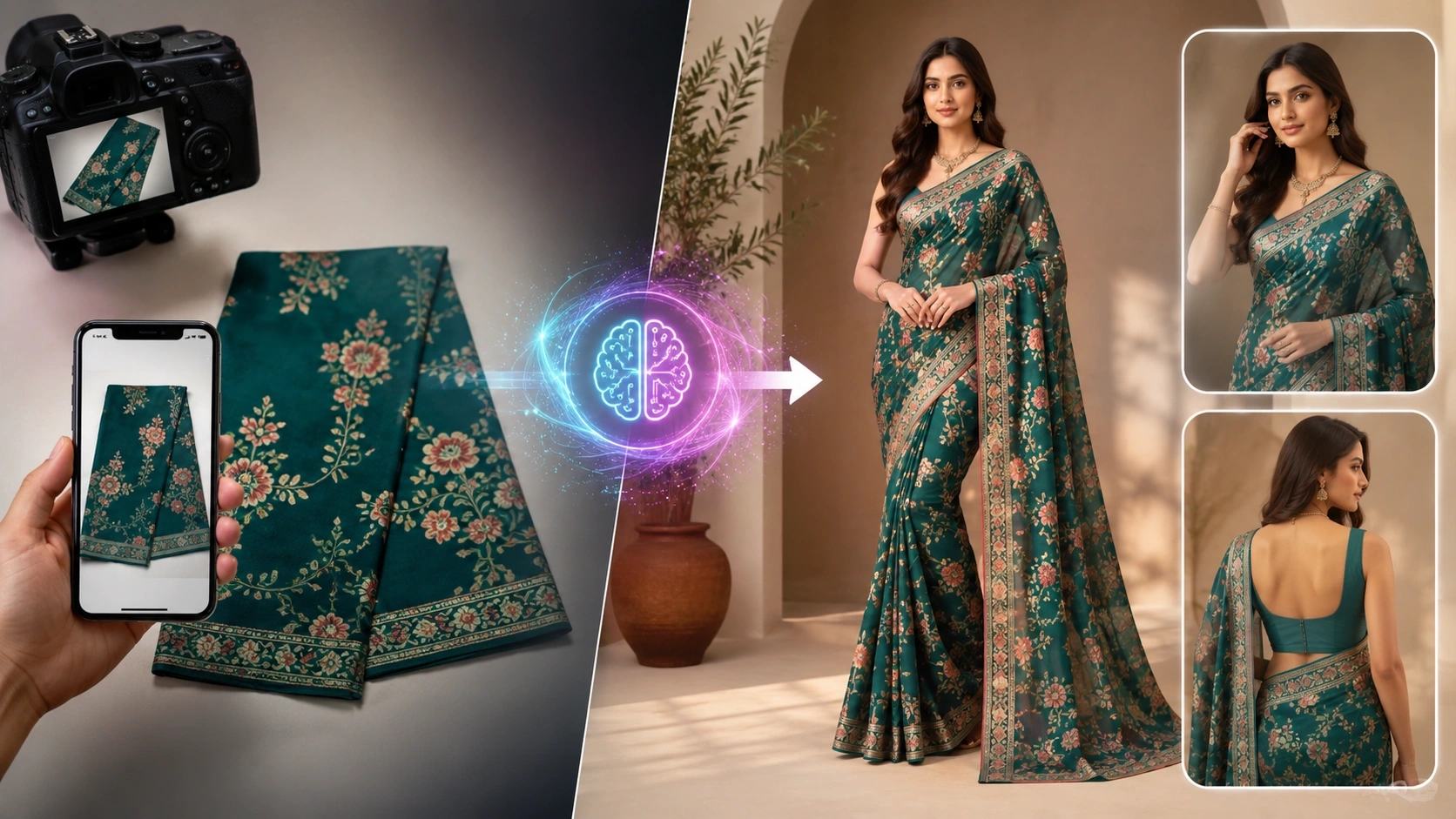
AI catalog images help clothing brands generate product visuals using model and garment inputs. With tools like The Textile AI Catalog Generator, brands can upload a model base photo, upload an apparel or garment image, add a portfolio style description, and generate multiple catalog views such as front, side, back, detail front, close-up, and slight angle.
Website:
https://www.thetextileai.com/ai/tools/catalog
What Are AI Catalog Images?
AI catalog images are product visuals created using artificial intelligence.
Instead of arranging a full photoshoot for every garment, a clothing brand can use AI to generate model-worn product images, multi-angle catalog views, and detail shots from uploaded inputs.
For example, a brand can upload a model base photo and a garment image. Then AI can create a catalog-style image where the garment appears on the model.
Depending on the selected package, it can also create front view, side view, back view, detail front, close-up detail, and slight angle views.
These images can be used for product pages, catalog layouts, buyer presentations, social media posts, and launch planning.
AI catalog images are especially useful when brands need fast product visuals before arranging a final photoshoot.
“AI catalog images help clothing brands move from garment input to product presentation faster.”
What is Manual Product Photography?
Manual product photography is the traditional method of creating product images using a real camera, real model, real garment, studio setup, and editing process.
A clothing brand prepares the garment, arranges a model, sets up lighting, chooses poses, takes photos, edits images, and formats them for use on websites or catalogs.
Manual photography gives real-world accuracy because the actual product is photographed. The fabric fall, stitching, fitting, texture, body movement, and product finishing can be captured naturally.
This is why manual product photography is still important for premium campaigns, hero product shoots, influencer content, luxury lookbooks, and final brand storytelling.
But manual photography also needs time, money, planning, and coordination.
For brands with many products, this workflow can become heavy.
Remember: Manual photography gives real product validation, but it can be slow for high-volume catalog needs.
Why Clothing Brands Are Comparing Both Workflows
Clothing brands are comparing AI catalog images and manual product photography because content demand has increased.
Earlier, a brand could launch a collection with a small number of images. Today, every product needs many visuals across many platforms.
A Shopify product page needs clear gallery images. Instagram needs regular content. Ads need campaign visuals. Marketplaces need clean product photos. Buyers need professional presentation images. WhatsApp sellers need quick product previews.
This means clothing brands need more images in less time.
Manual photography can create strong visuals, but it may not be practical for every product, every color, and every launch. AI catalog generation gives brands another option.
The real question is not which one is perfect.
The real question is when to use AI and when to use manual photography.
Tip: Use AI catalog images for speed and scale. Use manual photography for final premium campaigns and product validation.
Speed Comparison
Speed is one of the biggest differences between AI catalog images and manual product photography.
Manual product photography takes planning. The garment must be ready. The model must be available. The studio must be booked. The photographer, stylist, makeup artist, and editing team need time. After the shoot, images still need selection, retouching, cropping, and export.
This can take days or even weeks depending on the size of the collection.
AI catalog images can be generated much faster.
Once the model base photo and garment image are ready, the brand can create catalog outputs without waiting for a full studio schedule. This is useful for urgent product launches, quick buyer requests, internal approvals, and e-commerce product listings.
For fast-moving clothing brands, speed matters.
If product images are delayed, the product launch also gets delayed.
“In fashion e-commerce, a product cannot sell properly until the visuals are ready.”
Cost Comparison
Manual product photography can be expensive.
The cost may include model fees, studio rent, photographer charges, lighting setup, styling, makeup, editing, retouching, travel, and team coordination. If the brand needs multiple product angles or many SKUs, the cost increases.
For small clothing brands, this can become difficult.
For large brands, it can become expensive at scale.
AI catalog images reduce repeated production dependency. A brand can generate catalog-ready images using digital inputs and credits instead of arranging a full shoot for every product.
This makes AI useful for routine product visuals, buyer previews, product page drafts, catalog planning, and content testing.
Manual photography still makes sense for selected hero products, final campaign shoots, and luxury storytelling.
Remember: AI does not remove all costs, but it can reduce repeated photoshoot costs for regular catalog content.
Scale Comparison
Scale is where AI catalog images become very useful.
A clothing brand may have 20 products, 100 products, or even thousands of SKUs. Each product may need multiple images. If every product needs front, side, back, and close-up images, the total content requirement becomes very large.
Manual product photography at this scale requires strong planning and budget.
AI catalog generation can help brands create more images faster.
A brand can create different catalog views for multiple products, prepare product galleries, test visual styles, and generate buyer presentation images without waiting for every physical shoot.
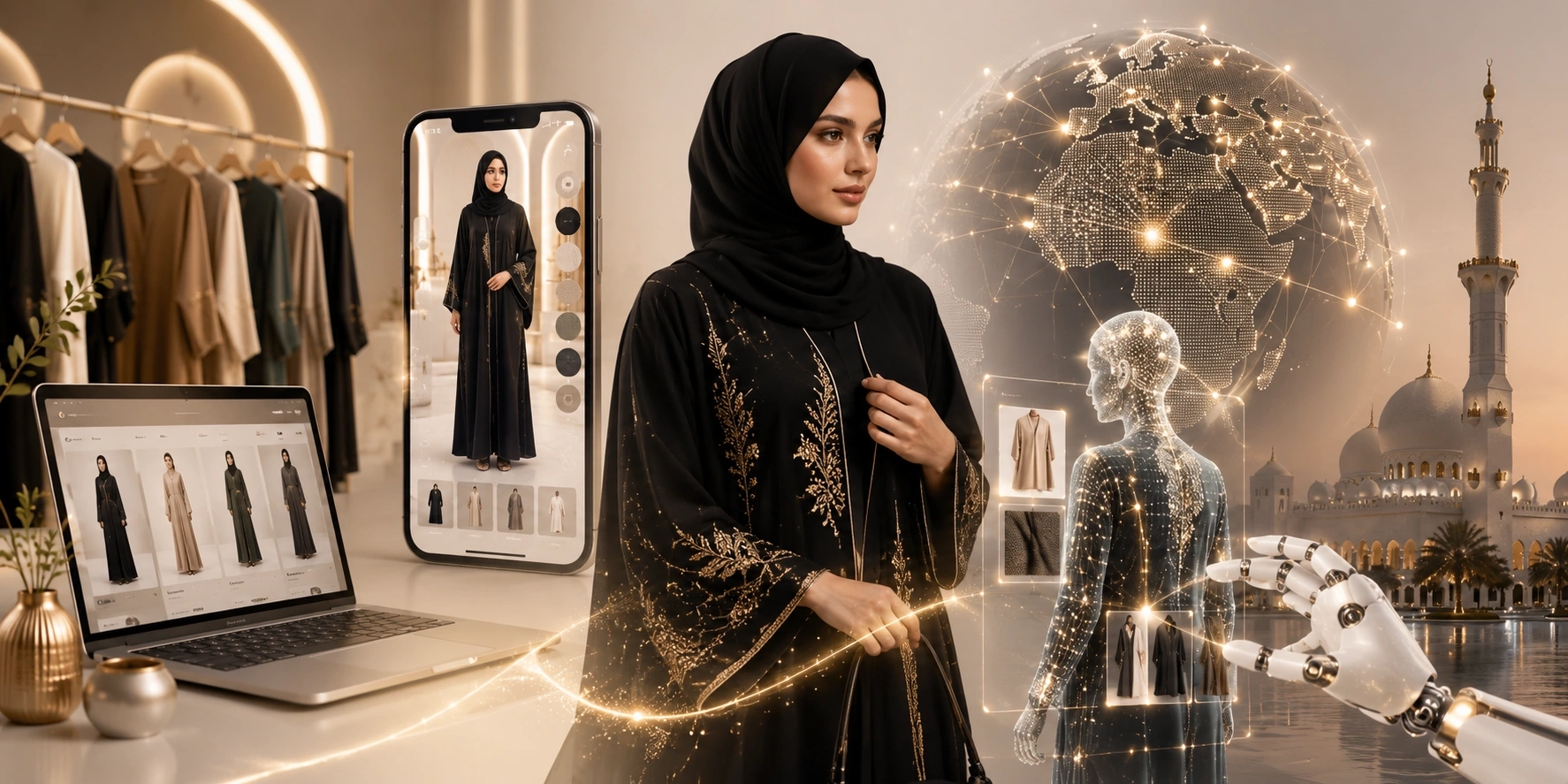
This is useful for Shopify sellers, D2C fashion brands, garment manufacturers, wholesalers, boutiques, and catalog teams.
Tip: AI is very useful when the brand needs many product images quickly.
Quality Comparison
Quality depends on the purpose.
Manual photography gives real product accuracy. The actual garment, actual model, actual fabric movement, and actual lighting are captured. This is important for final product validation and high-end brand campaigns.
AI catalog images give speed, flexibility, and visual consistency. They can create strong catalog-style product visuals, but the output should always be reviewed for garment accuracy, fabric details, fit, and realism.
For routine catalog images, AI can be very useful.
For final luxury campaigns, real photography may still be the better choice.
The best workflow is not AI only or photography only. The best workflow uses both carefully.
“AI helps create fast product visuals. Manual photography confirms the final product reality.”
Consistency Comparison
Consistency is very important for fashion catalogs.
If every product image has different lighting, background, model style, and framing, the online store may look messy. Customers may feel less trust when the product grid is inconsistent.
Manual photography can create consistency when the shoot is well-planned. But if products are shot on different days, with different models, different studios, or different lighting setups, consistency can become difficult.
AI catalog images can help maintain a more uniform style across product visuals.
When the same model base photo, similar portfolio style description, and consistent output format are used, the catalog can look cleaner and more connected.
This is useful for collection pages, product galleries, lookbooks, and buyer presentations.
Remember: A consistent catalog makes a clothing brand look more professional.
Creative Flexibility Comparison
AI catalog generation gives strong creative flexibility.
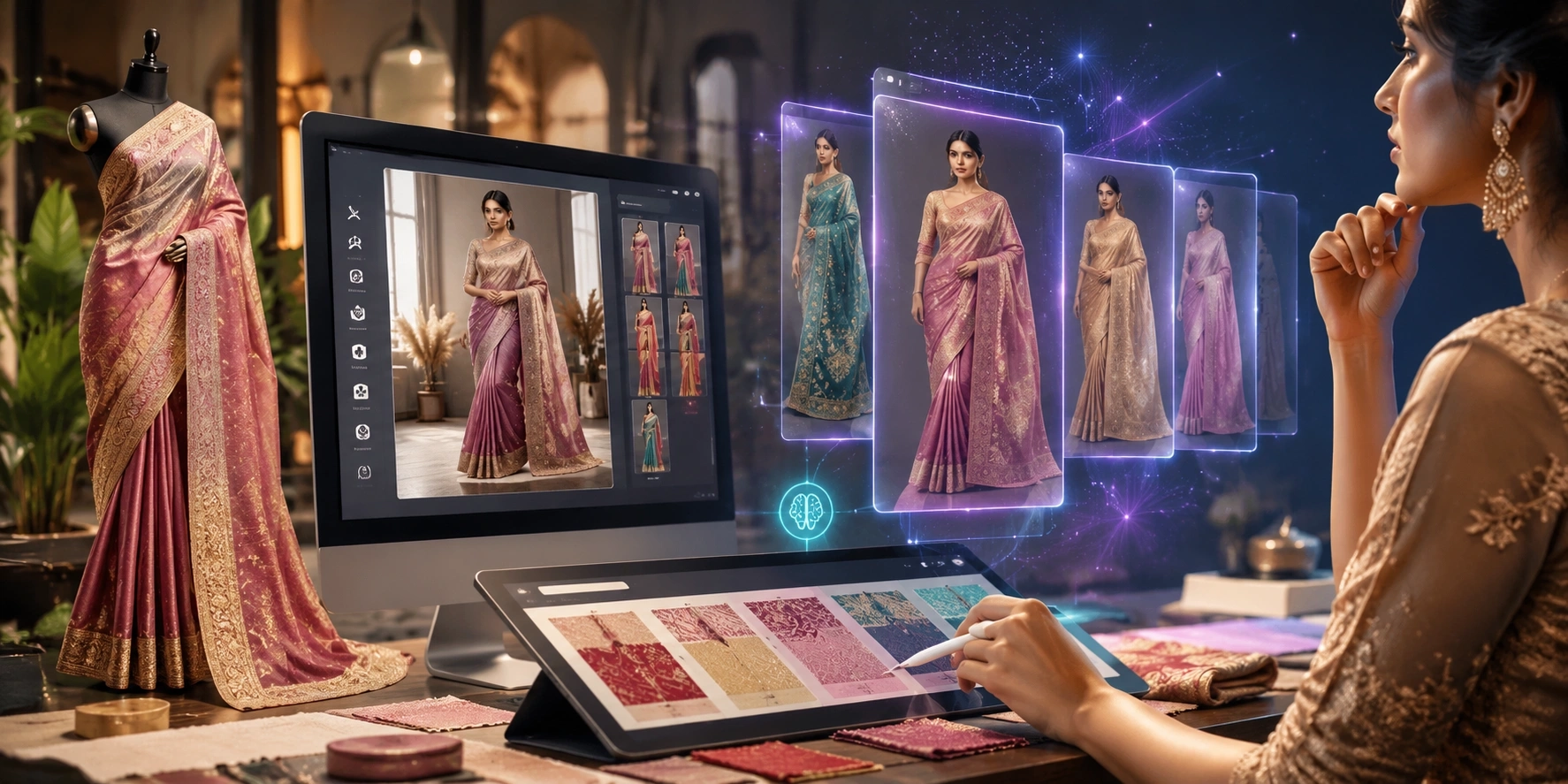
A brand can test different catalog styles, backgrounds, model looks, product angles, and presentation formats before finalizing the direction. It can create quick variations without arranging another full shoot.
This is useful during early planning.
For example, a clothing brand can test whether a garment looks better in a clean e-commerce style, premium studio style, simple lookbook style, or detailed product gallery style.
Manual photography also gives creative control, but changes require reshooting, restyling, or re-editing.
AI makes experimentation faster.
Tip: Use AI to test creative direction before investing in full photography production.
Product Accuracy Comparison
Product accuracy is one area where brands must be careful.
Manual product photography captures the real garment. If the product is styled properly, the photo shows actual fabric, actual stitching, actual fit, and actual product details.
AI catalog images depend on input quality and generation accuracy.
If the garment image is clear, the output can be useful. But brands must still check the final result carefully. The AI output should not change important product details such as neckline, sleeve style, color, embroidery, print, border, buttons, length, or fit.
This is especially important for products with complex fabric patterns, heavy embroidery, ethnic wear details, or unique cuts.
AI catalog images should support product presentation, not misrepresent the product.
Remember: Always review AI-generated images before publishing them on product pages.
Use Case: Product Page Images
For product pages, both AI and manual photography can be useful.
Manual photography is strong when the product is finalized and the brand wants accurate real product visuals. It is especially useful for premium product pages, final launches, and high-trust product listings.
AI catalog images are useful when the brand needs fast product galleries, early visuals, or multiple angle previews.
A Shopify product page can use AI-generated front, side, back, and detail views to explain the garment better. Real fabric close-ups or final photos can be added as proof images.
This gives customers a more complete view of the product.
Tip: For e-commerce, use AI catalog images for visual completeness and real product images for final accuracy support.
Use Case: Buyer Presentations
Buyer presentations need speed and clarity.
A buyer may not always need a full real photoshoot to understand the garment. They may simply want to see how the product looks on a model, how the front and back appear, and whether the design has market potential.
AI catalog images are useful for this stage.
A clothing brand can generate clean product visuals for buyer decks, wholesale presentations, export catalogs, and internal reviews.
Manual photography can come later once the buyer approves the direction.
This helps reduce unnecessary early production cost.
“AI catalog images help brands present product ideas before spending on full production.”
Use Case: New Collection Launches
New collection launches need many images.
A brand may need website images, product galleries, Instagram posts, ads, email banners, buyer previews, and launch creatives. If every visual depends on a full shoot, the launch can become slow.
AI catalog generation helps prepare visuals earlier.
A team can generate catalog images, review product presentation, choose strongest angles, and prepare launch material faster.
Manual photography can still be used for the final campaign hero images.
This creates a smart workflow where AI handles volume and manual photography handles premium storytelling.
Remember: AI can help launch preparation start before the final campaign shoot is complete.
Use Case: Clothing Brands with Many SKUs
Brands with many SKUs often struggle with product image production.
If every SKU needs multiple images, manual photography becomes a large operational task. It requires product handling, scheduling, shooting, editing, and exporting.
AI catalog images can reduce this pressure.
Brands can create product previews and catalog-style images at scale. This is useful for large collections, frequent drops, color variants, and category expansion.
For high-volume fashion businesses, AI can become part of the regular catalog workflow.
Tip: Use AI catalog generation when product volume is high and image deadlines are tight.
AI Catalog Images for Small Clothing Brands
Small clothing brands often have limited budgets.
They may not have access to frequent model shoots, professional studios, large creative teams, or expensive editing workflows. But they still need professional product images to sell online.
AI catalog images give small brands a faster way to create product visuals.
A small Shopify brand can generate model-worn product images. A boutique can prepare product previews. An Instagram seller can create catalog-ready images for posts and WhatsApp sharing.
This helps small businesses look more professional without needing a full production team.
“AI makes professional catalog creation more accessible for small fashion businesses.”
Manual Product Photography for Premium Brand Trust
Manual photography still has a strong role.
For premium clothing brands, real photoshoots create authenticity. They show real product behavior, real fabric movement, real model styling, and real brand mood.
This is important for luxury campaigns, seasonal storytelling, celebrity shoots, influencer campaigns, editorial lookbooks, and final launch visuals.
Manual photography also helps when the brand wants full control over styling, lighting, background, emotion, and model movement.
AI is useful, but it should not replace every real shoot.
The strongest brands will use both.
Remember: AI helps with speed, but real photography still builds premium brand trust.
How The Textile AI Catalog Tool Helps
The Textile AI Catalog tool helps clothing brands create AI catalog images faster.
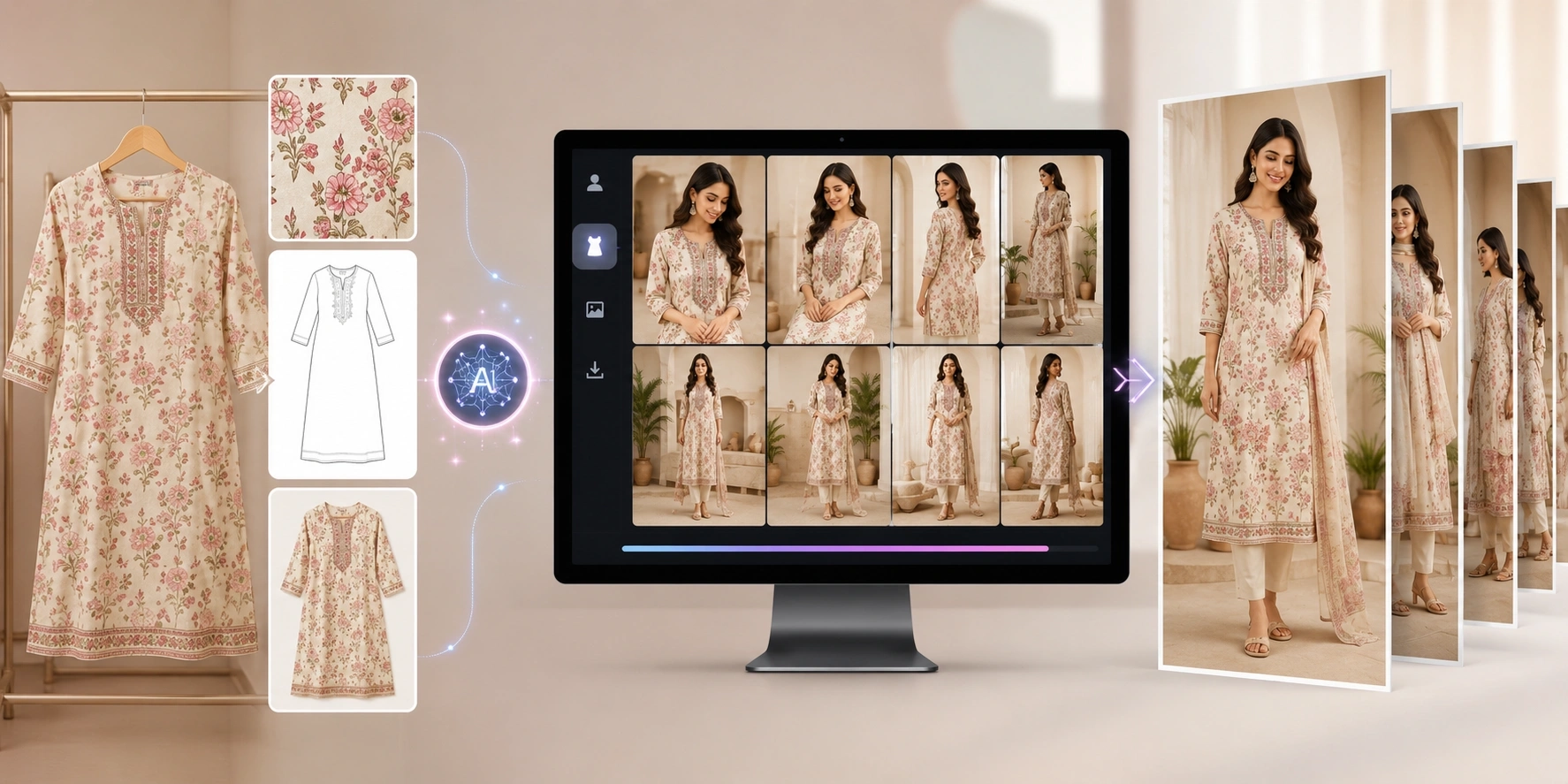
It is built for fashion and textile product visuals. Users can upload a model base photo, upload an apparel or garment image, add a portfolio style description, and select the number of showcase views.
The tool can help generate catalog-style outputs such as front view, side view, back view, detail front, detail close-up, and slight angle.
This makes it useful for Shopify sellers, clothing brands, boutiques, garment manufacturers, textile businesses, D2C fashion brands, and catalog teams.
It helps brands create product visuals for product pages, buyer presentations, product galleries, and launch planning.
Website:
https://www.thetextileai.com/ai/tools/catalog
AI Catalog Workflow vs Manual Photography Workflow
In a manual photography workflow, the brand usually starts with a physical garment, arranges the shoot, captures the product, edits the images, and prepares final outputs.
In an AI catalog workflow, the brand starts with a model base photo and garment image, adds a portfolio style description, selects the view package, and generates catalog images.
Both workflows can create useful product visuals, but the speed and purpose are different.
Manual photography is best when the final real product needs to be captured.
AI catalog generation is best when the brand needs fast catalog visuals, product previews, multi-angle images, or buyer-ready presentations.
Tip: Use AI when speed matters. Use manual photography when real-world product proof matters most.
Common Mistakes When Using AI Catalog Images
AI catalog images can be useful, but brands should avoid common mistakes.
The first mistake is uploading unclear garment images. If the product photo is blurry, badly cropped, or poorly lit, the output may not show the garment properly.
The second mistake is using vague instructions. A clear portfolio style description helps the AI understand the desired catalog look.
The third mistake is ignoring final review. Brands should check every AI output before using it publicly.
Check product color, neckline, sleeve style, length, fit, fabric details, embroidery, buttons, back design, and overall realism.
Remember: AI can create catalog images faster, but brand quality control is still important.
Common Mistakes in Manual Product Photography
Manual photography also has mistakes.
Sometimes brands shoot without planning all required angles. They may capture only front images and later realize they need side, back, or close-up shots.
Sometimes lighting changes between products, making the catalog look inconsistent. Sometimes backgrounds, model styling, or editing styles are not aligned.
Another issue is poor product preparation. Wrinkled garments, incorrect fit, loose styling, or unclear close-ups can reduce product quality.
Manual photography gives control, but it still needs planning.
Tip: Before a product shoot, prepare a shot list with front, side, back, close-up, and angle views.
Best Workflow for Clothing Brands
The best workflow is a hybrid workflow.
Use AI catalog images early in the process to create product previews, buyer presentations, product page drafts, and multi-angle visual ideas.
Use manual product photography for final campaign images, high-value products, luxury shoots, and real-world product validation.
This approach saves time and keeps quality strong.
A clothing brand can use AI to test which product looks best, which angle works well, and which visuals should go into the catalog. Then it can use manual photography for selected products that need final brand-level presentation.
“The future of fashion product images is not AI vs photography. It is AI plus photography.”
Who Should Use AI Catalog Images?
AI catalog images are useful for many fashion and textile businesses.
They are especially useful for clothing brands that need frequent product images, Shopify sellers that need faster product galleries, boutiques that need product previews, garment manufacturers that need buyer presentations, wholesalers that need catalog visuals, and D2C brands that launch new collections regularly.
They are also useful for small fashion sellers that cannot arrange frequent shoots and larger brands that need scalable content production.
AI catalog images are best for speed, scale, consistency, and visual planning.
Manual photography is best for final authenticity, premium storytelling, and real product confirmation.
Remember: Choose the workflow based on the business need, not only the trend.
Final Thoughts
AI catalog images and manual product photography both have a place in clothing brand workflows.
Manual product photography gives real product accuracy, premium brand control, and campaign-level authenticity. AI catalog images give speed, flexibility, consistency, and scalable product visuals.
For clothing brands, the smartest approach is to use both.
AI can help create catalog-ready product images faster for product pages, buyer presentations, Shopify stores, and new collection planning. Manual photography can be used for final product validation, premium campaigns, and brand storytelling.
Together, they can help brands reduce delays, improve product presentation, and launch products faster.
Try The Textile AI Catalog tool here: