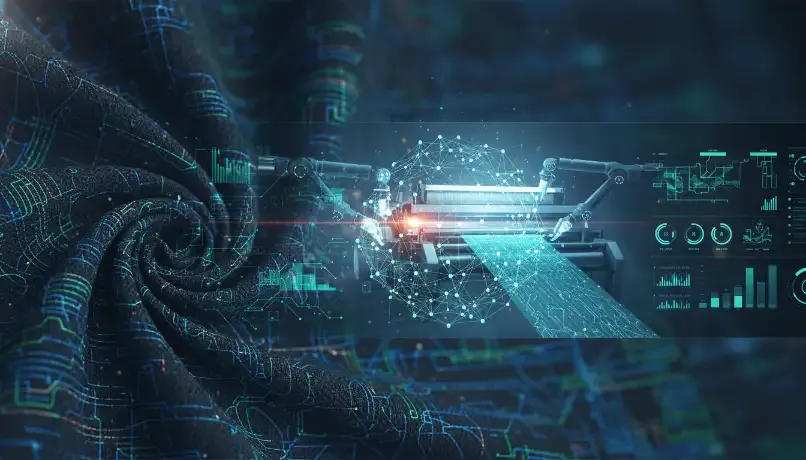
Have you ever wondered how your favorite soft t-shirt or warm winter coat was made so perfectly? A long time ago, people had to make every single piece of clothing by hand. They used needles, thread, and scissors. It took a very long time. Today, things are very different. Factories are using super-smart computer brains to help them make clothes faster, better, and cheaper. This smart computer brain is called Artificial Intelligence, or AI for short.
The year 2026 has brought amazing changes to the way our clothes are made. When we talk about AI in manufacturing, we are talking about computers that can think, learn, and help human workers do their jobs better. From drawing a picture of a new dress to making sure it fits you perfectly, AI is everywhere.
If you want to learn more about this big world of smart clothing, you can always visit the main page of https://www.thetextileai.com. They have lots of tools to show you how this magic works. You can also read more fun stories and facts on their blog at https://www.thetextileai.com/blogs.
In this big guide, we are going to look at 11 amazing ways that factories and clothing brands are using AI in manufacturing today. We will see how robots, smart computers, and clever machines are changing the clothes you wear every single day.
Quote: "Artificial Intelligence is not about replacing humans. It is about helping humans do their jobs much better and much faster."
What is Industry 4.0?
Before we look at the 11 ways, we need to learn a special word. That word is industry 4.0.
Think of history like a video game with different levels. Level 1 was when people learned to use steam power to run machines. Level 2 was when people learned to use electricity in big factories. Level 3 was when the first computers came to factories. Now, we are in Level 4. This is called industry 4.0. In this level, all the computers talk to each other. They share secrets, learn from mistakes, and make choices on their own. Smart manufacturing is a big part of this level. It means factories use less energy, make fewer mistakes, and keep workers safe.
According to a report by the smart business experts at McKinsey & Company, using AI can help factories make 20 percent fewer mistakes. That is a huge help! You can read more about how AI helps businesses on the McKinsey website.
Now, let us dive into the 11 ways AI in manufacturing is changing the textile industry in 2026.
1. Designing Clothes Like Magic
In the past, a clothing designer had to sit at a desk for many days. They drew pictures with pencils and paper. If they made a mistake, they had to start all over again. They had to guess if a red shirt would look better than a blue shirt.
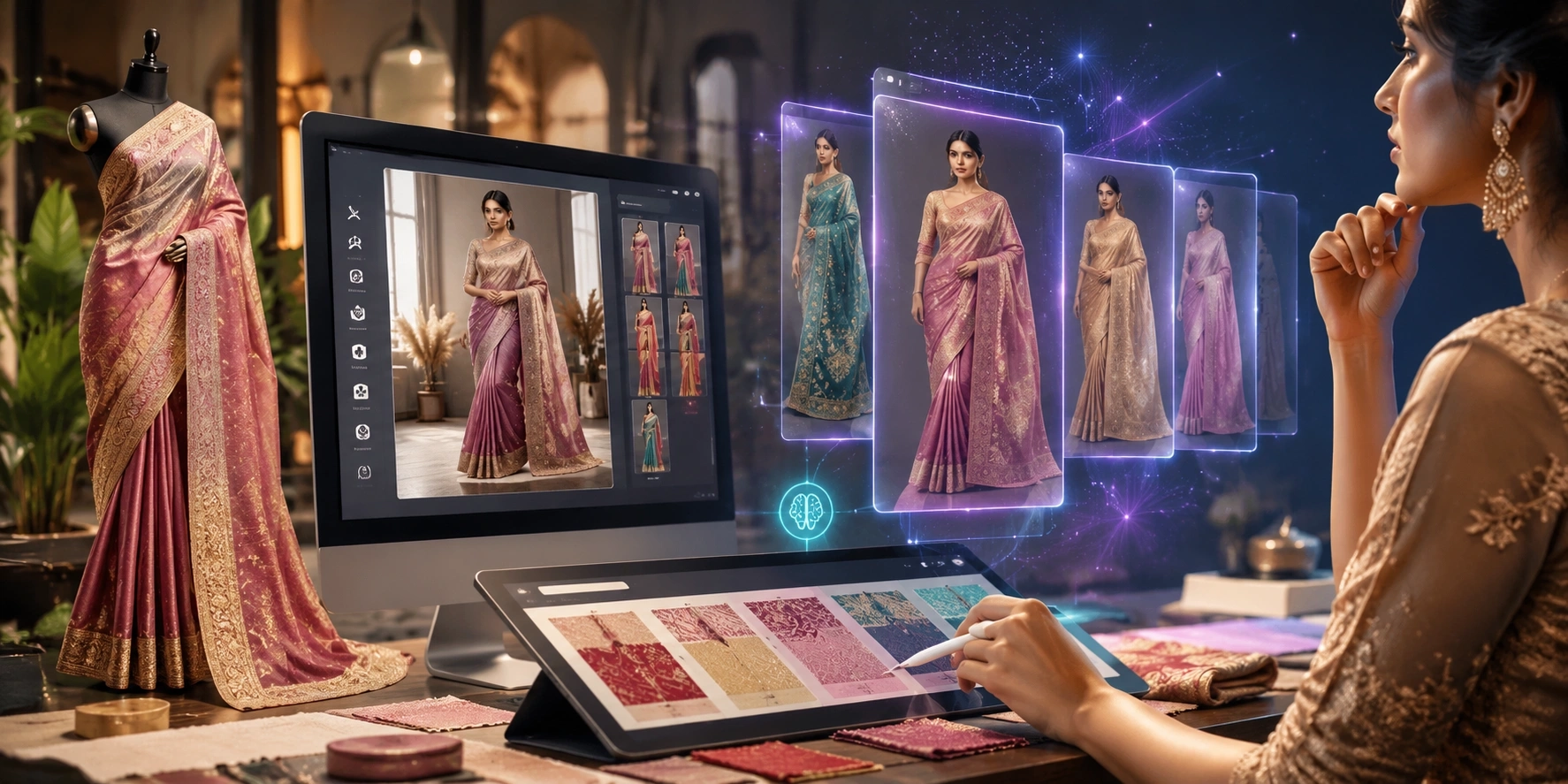
Today, AI in fashion makes designing very fast and very easy. The computer can look at thousands of pictures of clothes in just one minute. It learns what people like to wear. Then, it can draw new pictures of clothes all by itself!
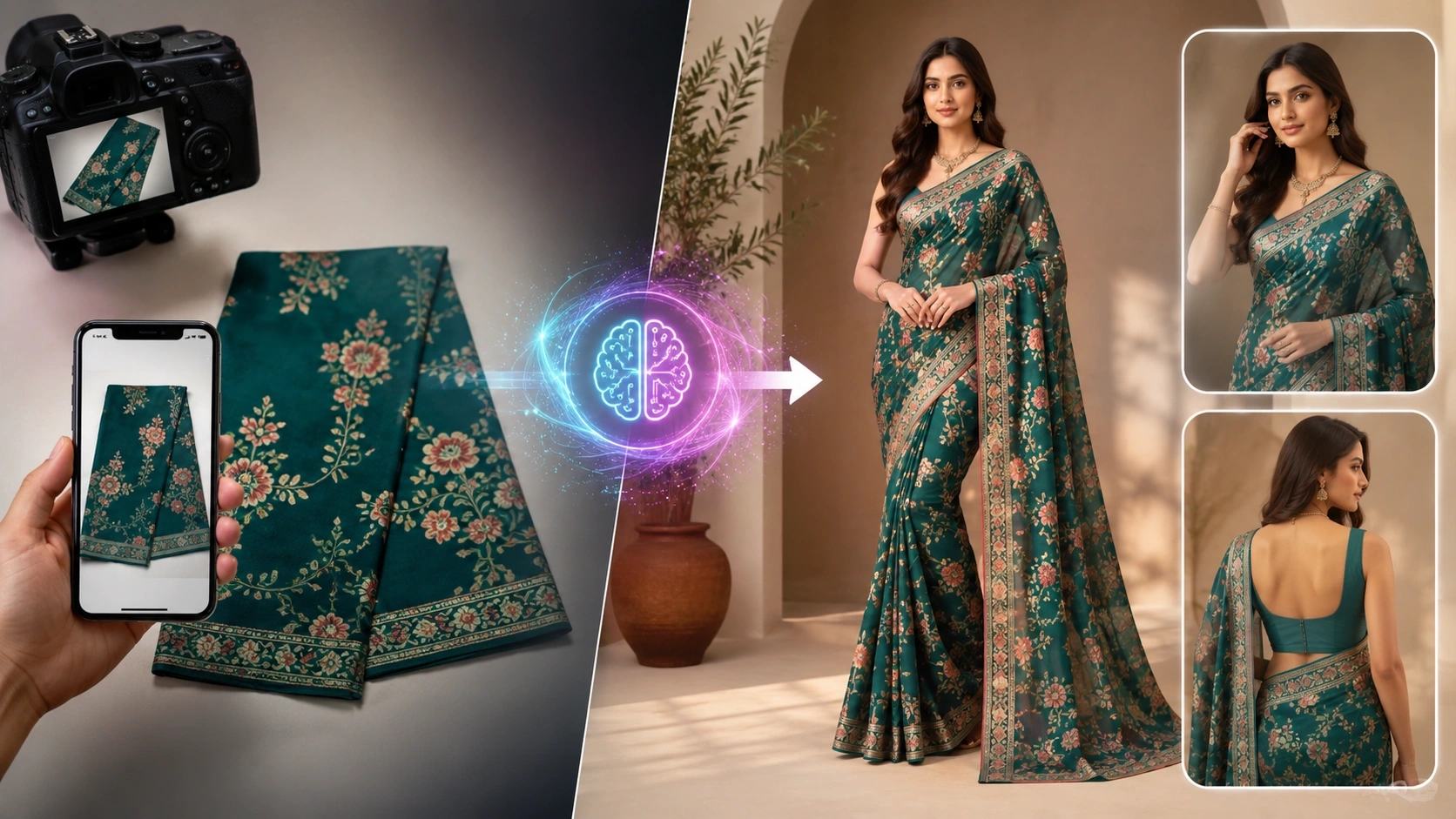
Designers use a special AI tool to help them. They can tell the computer, "I want a picture of a yellow summer dress with flowers on it." The computer will draw it instantly. If you want to see how this works, you can use a great tool that turns ideas into real clothing designs. Check it out here: https://www.thetextileai.com/ai-tool/fabric-to-garment.
Once the picture is drawn, the factory needs to know how to make it with real cloth. AI helps turn the picture into a real plan. It tells the factory exactly how to cut and sew. You can learn how flat cloth turns into a finished shirt by visiting https://www.thetextileai.com/fabric-to-product.
Tip: If you ever want to design your own clothes, AI can help you draw your ideas even if you are not good at drawing with a pencil!
2. Catching Mistakes with Eagle Eyes
Imagine you are doing your math homework. Sometimes, you might make a small mistake because you are tired. Human workers in factories get tired too. When people look at thousands of miles of cloth every day, they might miss a tiny hole or a little spot of dirt.
This is where machine learning in manufacturing comes in. Machine learning means the computer gets smarter the more it practices. Factories put smart cameras above the cloth as it moves on a long table. The cameras never get tired. They never blink.
The AI looks at the cloth. If it sees a tiny hole, a missing thread, or a bad color, it tells the machine to stop. This is called quality control. Because of this AI manufacturing trick, the clothes you buy at the store are almost always perfect. You do not have to worry about taking a brand-new shirt out of the bag and finding a hole in it.
Note: AI cameras can spot a mistake that is as small as a single grain of sand!
3. Moving Cloth from Place to Place Safely
Making clothes takes a lot of steps. First, cotton grows on a farm. Then, the cotton goes to a factory to become thread. The thread goes to another factory to become cloth. Finally, the cloth goes to a place where it is cut and sewn into a shirt. After all that, trucks and ships take the shirt to your local store.
This long journey is called a supply chain. Keeping track of all these trucks, ships, and boxes is very hard. Sometimes boxes get lost. Sometimes a ship is late because of bad weather.
AI in supply chain acts like a super-smart map and weather reporter combined. The computer knows exactly where every single box of cloth is at all times. It can look at the weather and say, "There is a big storm coming over the ocean. Let us send the ship a different way to stay safe."
By using AI in manufacturing for supply chains, factories never run out of cloth. Stores never run out of your favorite clothes. The experts at Forbes talk a lot about how AI makes shipping faster. You can find more business news on the Forbes website.
Remember: A good supply chain means you get your new clothes delivered to your house exactly when the store promised!
4. Fixing Machines Before They Break
Have you ever been riding your bicycle when the chain suddenly fell off? You probably had to stop and fix it, which ruined your fun. The big machines in a clothing factory are like giant bicycles. They have moving parts, gears, and belts. Sometimes, these machines break down. When a machine breaks, the whole factory has to stop working. This costs a lot of money and delays the clothes from being made.
To fix this problem, factories use industrial AI. This is a special type of AI just for heavy machines. They put tiny listening devices, called sensors, on the sewing and cutting machines.
These sensors listen to the hum of the machine. The computer knows what a happy, healthy machine sounds like. If a gear starts to get loose, the machine makes a slightly different sound. Humans cannot hear it, but the AI can!
The AI sends a message to the factory worker. It says, "Machine number 5 is going to break tomorrow. Please fix the gear today." This is called predictive maintenance. It means fixing something before it is broken. This keeps the factory running smoothly every single day.
5. Trying on Clothes on a Screen
Have you ever gone to a clothing store and taken five different shirts into a tiny fitting room? It takes a long time to take off your clothes, try on the new ones, look in the mirror, and take them off again.
What if you could try on clothes without ever taking off your own clothes? In 2026, AI in retail makes this possible! It is called virtual try-on.
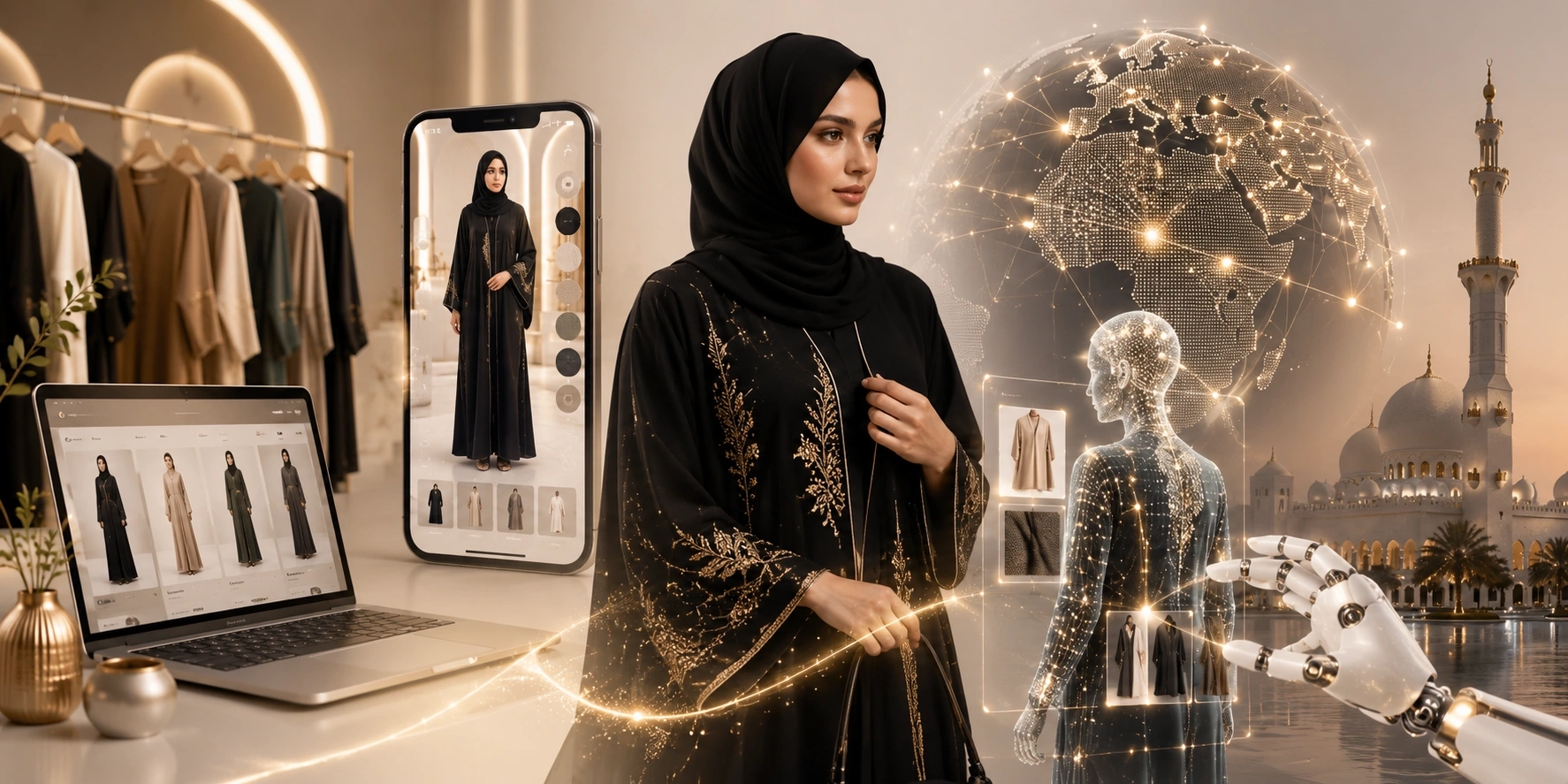
You can stand in front of a smart mirror in the store, or you can use the camera on your phone or computer at home. The AI looks at your body shape. Then, it places a picture of the new shirt right onto your body on the screen. It looks completely real. You can turn around, and the digital shirt moves with you. It shows you exactly how the clothes will fit.
This makes shopping so much fun and very fast. You can try on fifty dresses in five minutes! If you want to see how amazing this technology is, you should test the tool right here: https://www.thetextileai.com/ai-tool/virtual-try-on.
Quote: "Virtual fitting rooms save time for shoppers and help them buy clothes that fit perfectly on the very first try."
6. Making Smart Cloth
Did you know that cloth can be smart? Usually, we think of cloth as just something that covers us. But AI in manufacturing is helping scientists create smart textiles.
Smart textiles are fabrics that have tiny computer threads woven right into them. You cannot see or feel these special threads, but they do amazing things.
For example, imagine a winter jacket made with smart textiles. The AI in the jacket knows when you are shivering and feeling cold. The jacket will gently warm up to keep you cozy. When you go inside a warm building, the jacket will cool down so you do not sweat.
Another example is a sports shirt that can read your heartbeat. When you are running and playing outside, the shirt tracks how healthy your heart is. It sends the information to a phone app. AI helps factories weave these tiny computer parts into the cloth without breaking them. It is like wearing a superhero suit!
Tip: Always read the washing instructions on smart clothes. You usually cannot put them in a very hot dryer!
7. Robots Doing the Hard Work
Making clothes requires a lot of cutting and sewing. Humans are very good at sewing, but doing it for eight hours a day can make their hands hurt. This is why factories use manufacturing automation. Automation means having machines do tasks automatically.
In 2026, AI manufacturing uses smart robots with camera eyes. These robots have robotic arms holding sharp cutters. The AI brain tells the robotic arm exactly where to cut the cloth. The robot can cut through fifty layers of thick denim fabric for jeans in just one second!
After the cloth is cut, other robots help sew the pieces together. The AI makes sure every single stitch is straight and strong. Because robots do the heavy and dangerous cutting, the human workers can do safer, more creative jobs. The humans act as teachers and managers for the robots. They work together as a team.
According to data from Statista, the number of smart robots used in factories is growing every single year. This helps factories make clothes much faster to meet the needs of people all over the world.
8. Saving Water and Energy for the Earth
Our planet is very important. We need to keep our rivers clean and our air fresh. Making clothes can sometimes be messy. Dyeing clothes (giving them colors like red, blue, or pink) uses a lot of clean water. Sometimes factories used to waste a lot of cloth by cutting it badly.
Today, smart manufacturing helps factories be kind to the Earth. This is called sustainability.
AI helps in two big ways: First, the AI plays a puzzle game with the cloth. Before the robot cuts the cloth, the AI figures out how to arrange the shirt pieces so there are almost no leftover scraps. This means very little cloth goes into the trash.
Second, the AI helps with the dye. The computer calculates the exact, perfect amount of water and color dye needed to make a shirt blue. Not one drop of water is wasted. AI in manufacturing stops bad chemicals from going into our rivers. When you buy clothes made with smart AI, you are helping to save the Earth's water and trees!
Note: Many clothing brands now put a special tag on their clothes to show they were made using Earth-friendly AI.
9. Making Awesome Photo Catalogs
When you shop online or look at a clothing magazine, you see bright, beautiful pictures of models wearing the clothes. Making these pictures used to be very hard and cost a lot of money. The clothing brand had to hire photographers, rent cameras, travel to a beach or a city, and take pictures all day long.
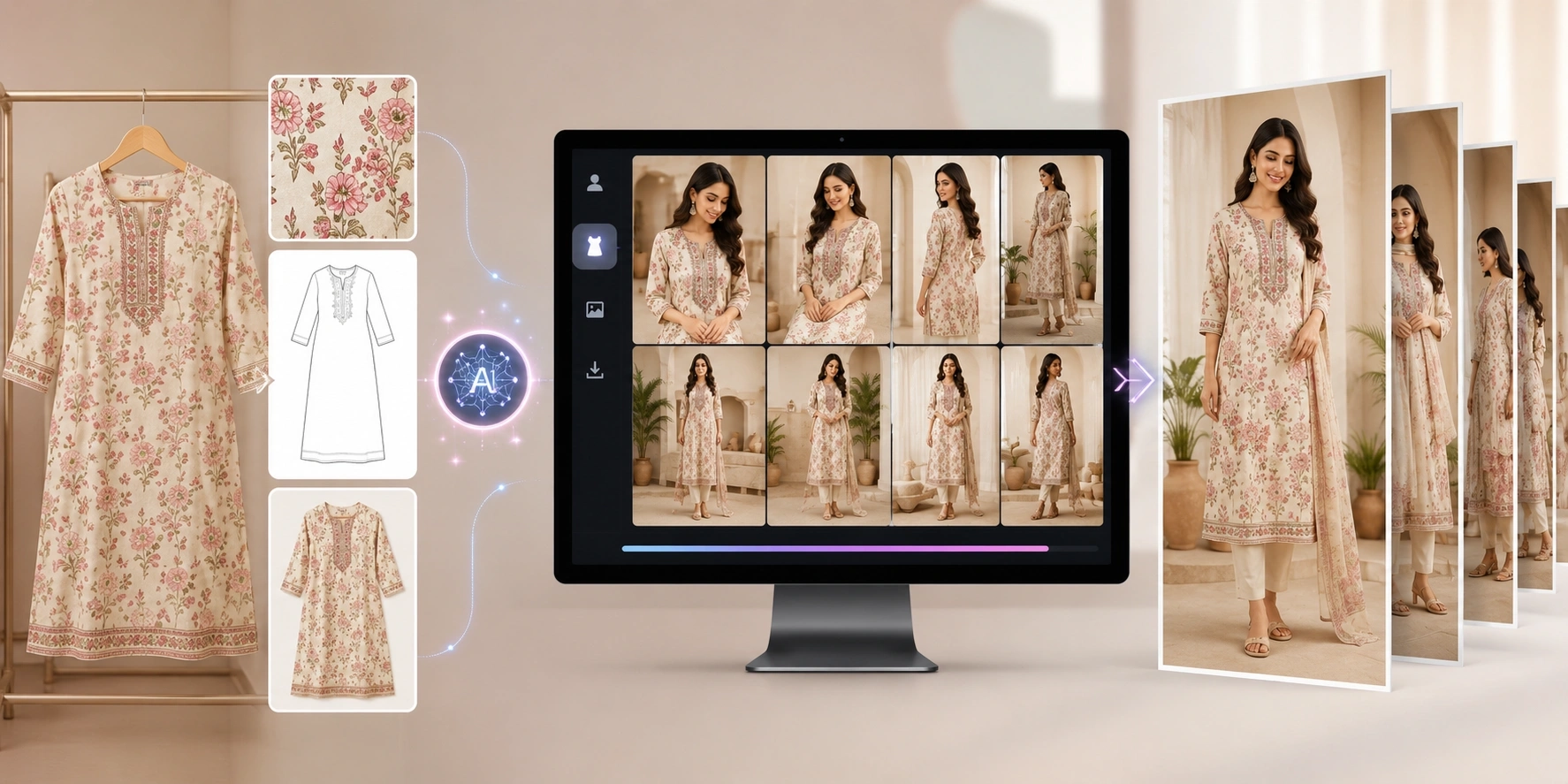
Now, they use AI to make these beautiful pictures! The computer can take a simple, flat picture of a sweater and magically put it on an AI model. The AI can make it look like the model is standing on a snowy mountain or walking on a sunny beach. The pictures look 100 percent real, but the photo shoot happened inside a computer.
This helps clothing brands show you all their new items very quickly. You can explore how factories make these amazing online catalogs by checking out this tool: https://www.thetextileai.com/ai-tool/catalog.
If you want to see a whole page of beautiful clothes created by smart computers, take a look at the picture gallery here: https://www.thetextileai.com/gallery. It is full of amazing ideas!
10. Selling the Right Clothes at the Right Time
Have you ever noticed that stores always seem to have winter coats just when it gets cold, and swimsuits just when summer starts? How do they always know what you want to buy?
They use AI in retail to look into the future! Well, it is not real magic, but it is very clever math. This is a big part of machine learning in manufacturing. The computer looks at what people bought last year. It looks at what people are searching for on the internet. It even looks at the weather forecast for the next few months.
The AI might say, "It is going to be a very rainy spring. People will want bright yellow raincoats." The AI tells the factory, "Make one thousand yellow raincoats right now!"
Because the AI guesses correctly, the stores do not waste money making clothes that nobody wants to buy. You get to find exactly what you are looking for when you walk into the store. This makes shopping better for everyone.
Remember: AI learns from trends. A trend is when a lot of people like the same style at the same time.
11. Planning Fun Events and Matching Outfits
Sometimes, we need special clothes for special days. Think about Halloween, Christmas, or Valentine's Day. On these days, people love to wear clothes that fit the holiday theme.
AI helps clothing companies plan for these fun events. The AI brain can design special collections of clothes super fast. For example, when Valentine's Day is coming, the AI helps create beautiful red and pink shirts with hearts on them.
It can even help design outfits that match! Have you ever wanted to wear a shirt that perfectly matches your best friend's shirt, or your mom's dress? AI makes it easy for factories to design and make matching clothes for families and couples.
You can learn all about how AI helps with special events by looking at https://www.thetextileai.com/event. If you want to see a special project just for Valentine's Day, you must visit https://www.thetextileai.com/event/valentine.
And if you love watching videos, there is a super fun video showing how people get matching outfits for this lovely holiday. You can watch the magic happen right here: https://www.thetextileai.com/watch/valentine/matching-outfits.
How You Can Use AI for Textiles Too!
Reading about AI in manufacturing is very exciting. But doing it yourself is even more fun! You do not have to be a big factory boss to use these smart computer tools. You can start exploring the world of AI right now.
Here is a simple guide on how to get started:
- Explore the Tools: First, you should look at all the different things AI can do. Go to the main tool page to see all the magical helpers waiting for you: https://www.thetextileai.com/ai-tool.
- Read the Instructions: If you do not know how a computer tool works, do not worry! There is a page filled with easy directions. It is like an instruction book for a new toy. You can read how to use everything at https://www.thetextileai.com/docs.
- Check the Cost: Some tools are free to play with, and some have special features that cost a little bit of money. You can ask an adult to help you look at the different plans here: https://www.thetextileai.com/pricing.
- Create Your Account: When you are ready to start making your own smart clothing designs, you need your very own account. It is easy and safe. Just sign in to begin your journey: https://www.thetextileai.com/login.
Using these tools is a great way to learn about industry 4.0 and how computers are changing the world of art and fashion.
Why AI in Manufacturing is Good for Everyone
Let us review what we have learned today. We started by asking how clothes are made. We learned that the textile industry is using big, smart computer brains to help human workers.
We talked about how AI in fashion helps designers draw beautiful new clothes in just a few seconds. We saw how machine learning in manufacturing acts like an eagle, spotting tiny mistakes so your clothes are always perfect.
We learned that AI in supply chain is like a map that keeps boxes of cloth moving safely across the ocean, while industrial AI acts like a doctor for broken sewing machines.
Then we explored fun things, like trying on clothes through a computer screen with virtual try-on, and wearing smart textiles that can keep us warm. We read about manufacturing automation, where strong robots do the heavy cutting and sewing.
We also learned a very important lesson about smart manufacturing and sustainability. AI helps factories use less water and waste less cloth, which keeps our Earth green and clean. Finally, we looked at how AI in retail helps stores know what we want to buy, creates beautiful photo catalogs, and plans perfect matching outfits for holidays like Valentine's Day.
A Bright Future The year 2026 is just the beginning. The world of AI manufacturing is going to get even bigger and better. The computers will get smarter, the robots will get faster, and the clothes we wear will become even more amazing.
Maybe one day, you will be a designer or an engineer who helps build these clever machines! Until then, you can smile knowing that your favorite t-shirt had a little bit of computer magic helping it along its journey from a fluffy cotton plant all the way to your closet.
Do not forget to explore all the fun links we shared today. Learning about technology is the best way to prepare for the future. Whether you want to read more blogs at https://www.thetextileai.com/blogs or try making a shirt yourself, the world of AI is waiting for you to jump in and play!